Why Georgian Bay Properties Need Purpose-Built Retaining Walls
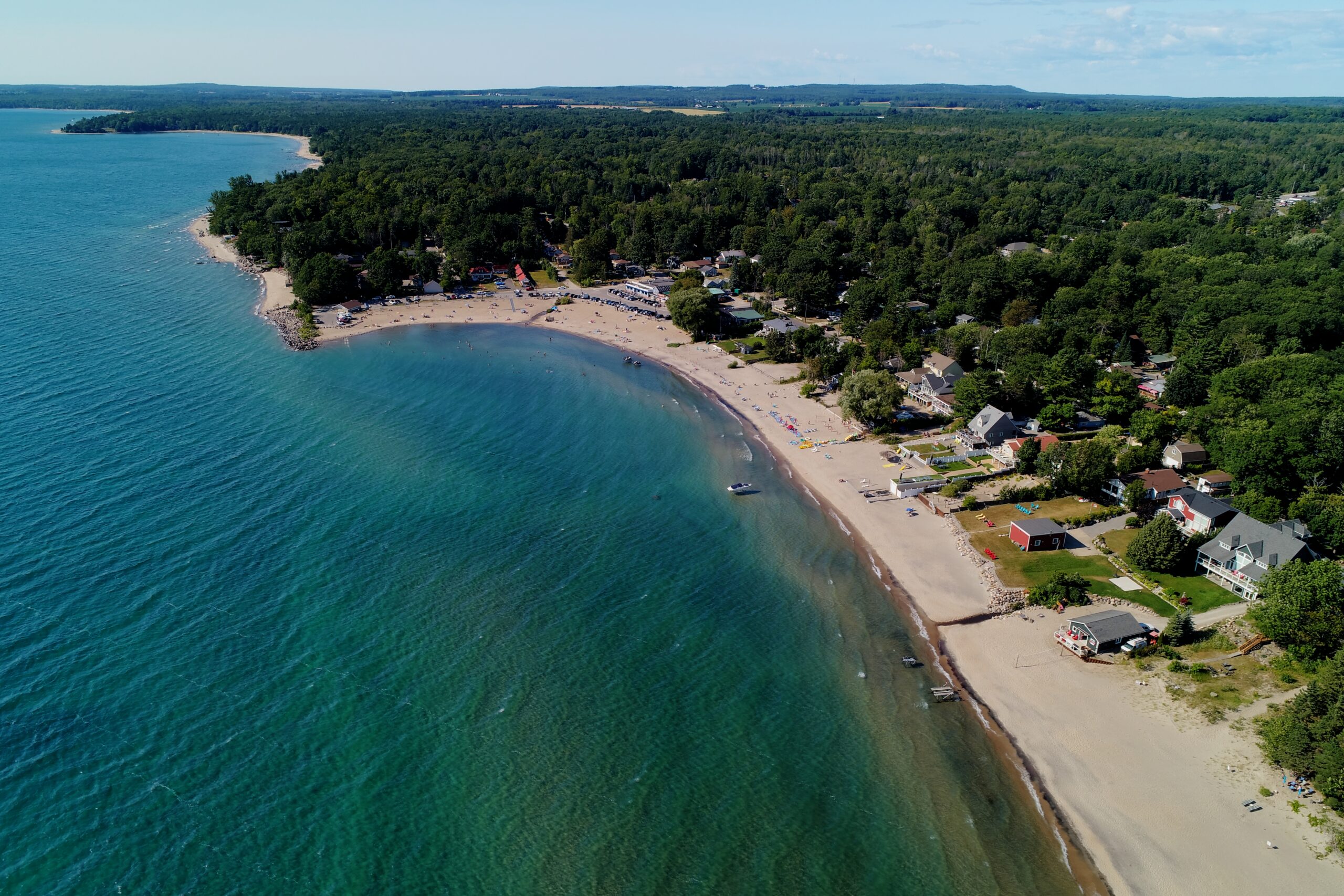
Waterfront properties in Midland and Penetanguishene face erosion pressures that inland homes never experience. Georgian Bay’s fluctuating water levels, ice shove in winter, wind-driven wave action, and spring storm surges all take a toll on unprotected shorelines. A properly engineered retaining wall is the frontline defence for your property.
Local Conditions We Design For
- Georgian Bay water level changes: Lake Huron–Georgian Bay levels have fluctuated significantly over the past decade. Walls must be designed to perform across a range of water conditions.
- Ice shove and freeze-thaw: Winter ice movement along Midland Bay and Penetanguishene harbour can exert enormous lateral force on shoreline structures. Our walls are engineered with adequate mass and footing depth to resist ice loading.
- Wave energy: Exposed shorelines along Tiny Beaches and the open Georgian Bay coast experience higher wave energy than sheltered harbour areas. Wall design, stone sizing, and foundation depth all change based on your property’s exposure.
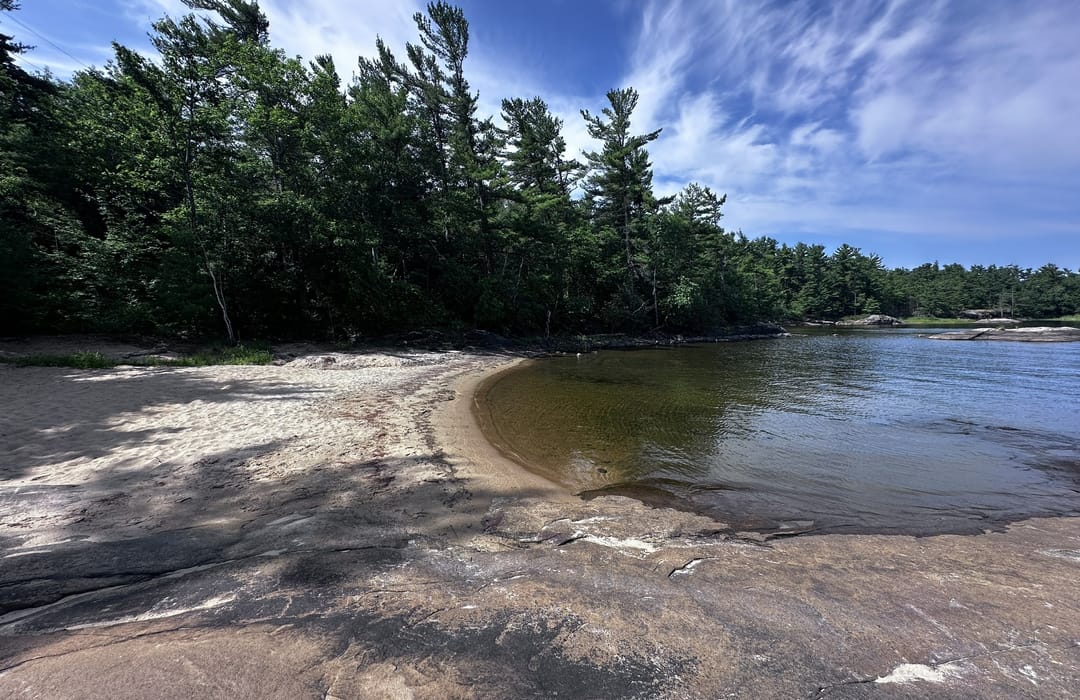
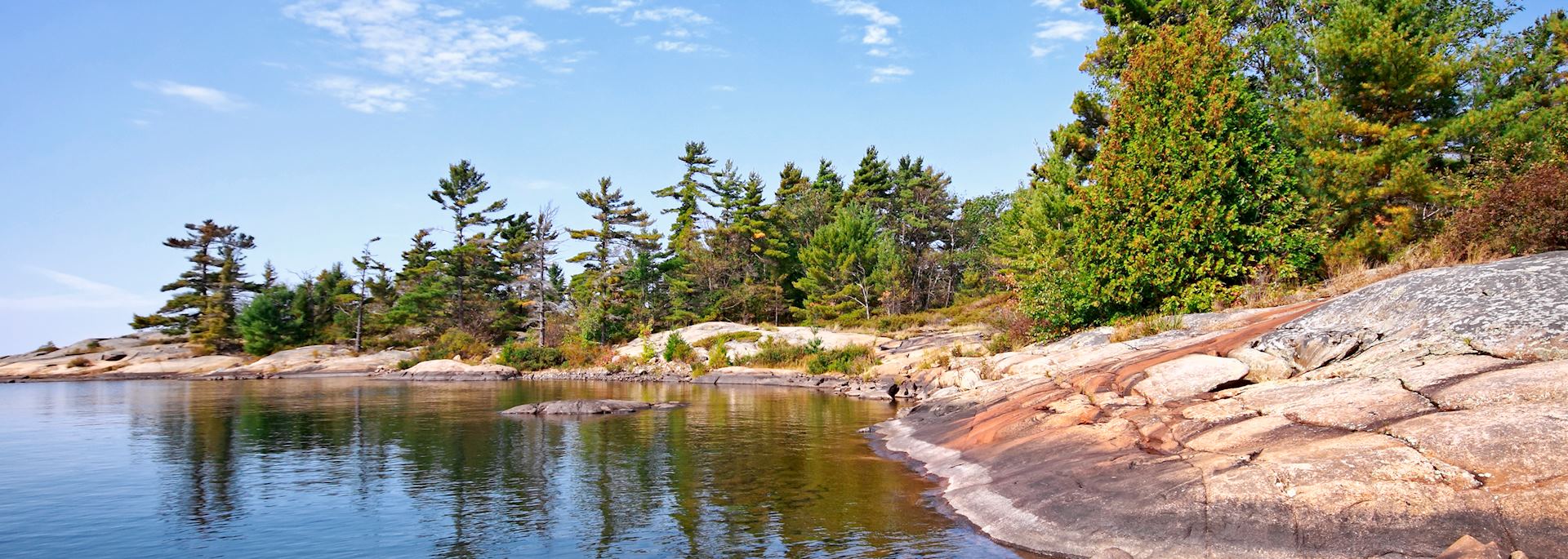
- Soil and bedrock: Shoreline properties in Penetanguishene often sit on Canadian Shield rock, while Midland waterfront properties may have sandy or clay soils. Each demands a different foundation approach.
Materials That Perform on Georgian Bay
Armour Stone
Sourced from local quarries in Simcoe County, armour stone is the material of choice for most waterfront retaining walls in our area. Individual stones weighing 1–3 tonnes resist wave action through sheer mass, and their natural appearance complements the Georgian Bay shoreline. We select stones with flat bedding planes for tight stacking and long-term stability.
Concrete
For walls that need to hold back significant soil loads or span long distances, engineered concrete provides unmatched structural performance. We use concrete walls on properties with steep banks, heavy soil, or exposure to the most aggressive wave conditions.
Natural Stone
Hand-laid natural stone walls are best for lower retaining heights and sheltered waterfront areas where aesthetics are the priority. Locally sourced granite and limestone tie the wall visually to the surrounding Georgian Bay landscape.
Drainage and Grading Behind the Wall
A retaining wall is only as good as the drainage system behind it. Hydrostatic pressure from trapped water is the leading cause of waterfront wall failure. Every wall we build includes:
- Granular backfill for drainage behind the wall face
- Weep holes or perforated drain pipe to relieve water pressure
- Proper grading of the area behind the wall to direct surface water away
- Integration with the property’s overall drainage system
For properties with septic systems near the waterfront, we coordinate wall construction with grading and drainage planning to protect both the wall and the septic system.
Permits and Environmental Regulations
Waterfront construction in Midland and Penetanguishene requires approvals from multiple agencies. Depending on your location, you may need permits from:
- The Severn Sound Environmental Association (conservation authority)
- The Ministry of Natural Resources and Forestry (MNRF) for work below the high water mark
- The Department of Fisheries and Oceans (DFO) for fish habitat considerations
- Your local municipality (Town of Midland, Town of Penetanguishene, or Township of Tiny/Tay)
We manage the permit process as part of our turn-key service, coordinating with all required agencies so your project stays on schedule.
Complementary Services
Most waterfront retaining wall projects benefit from additional work to complete the property. We frequently combine wall construction with:
Read more about how we approach waterfront projects in our guide to shoreline break walls or explore our list of the best waterfront contractors in Midland and Penetanguishene.