Why Georgian Bay Shorelines Need Professional Restoration
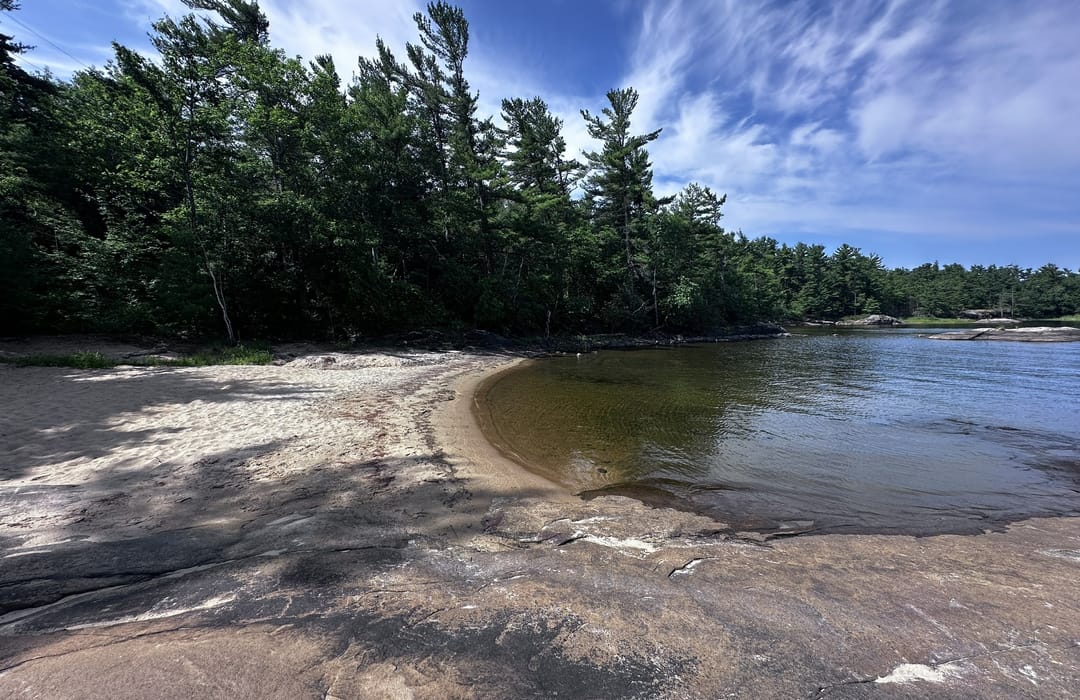
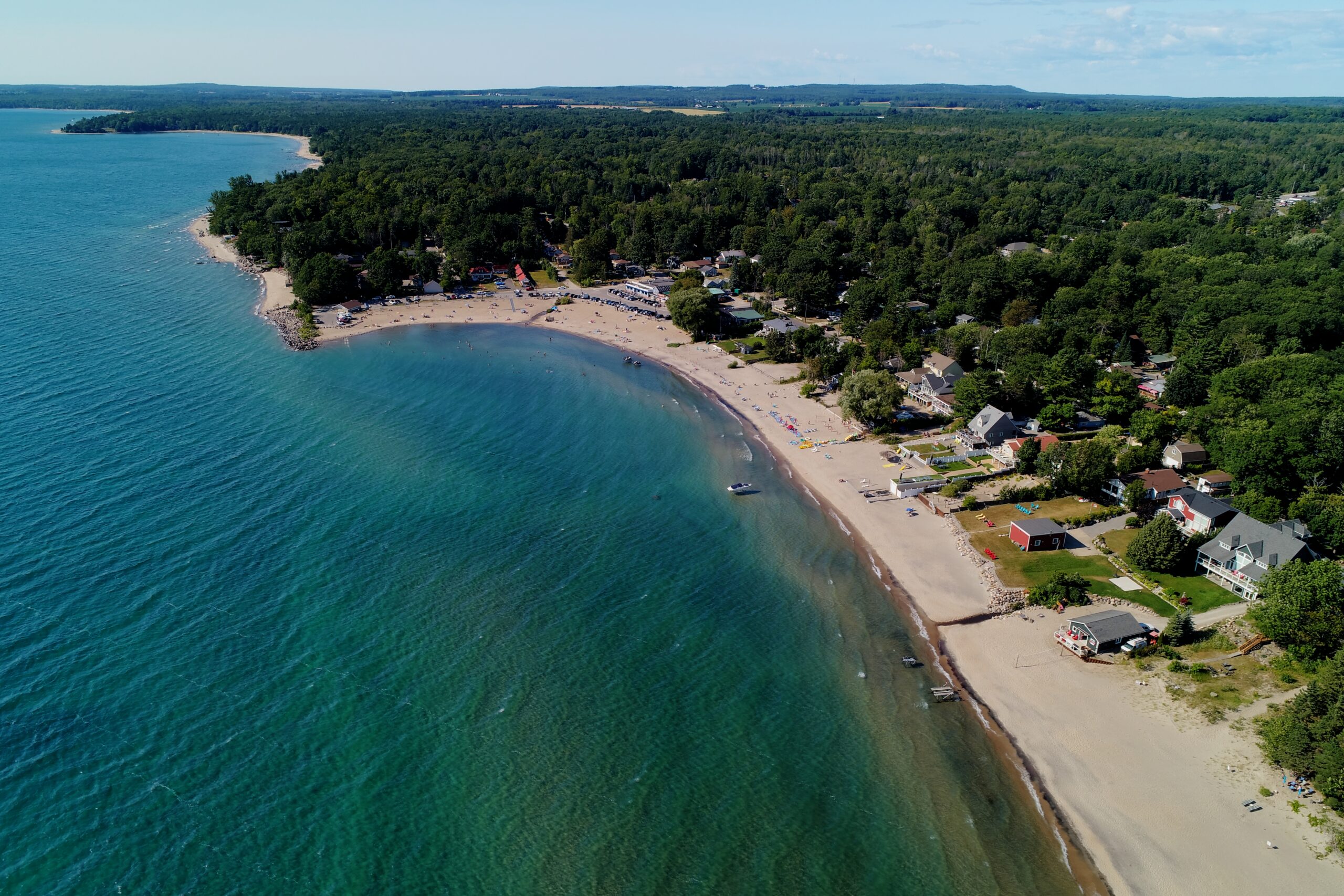
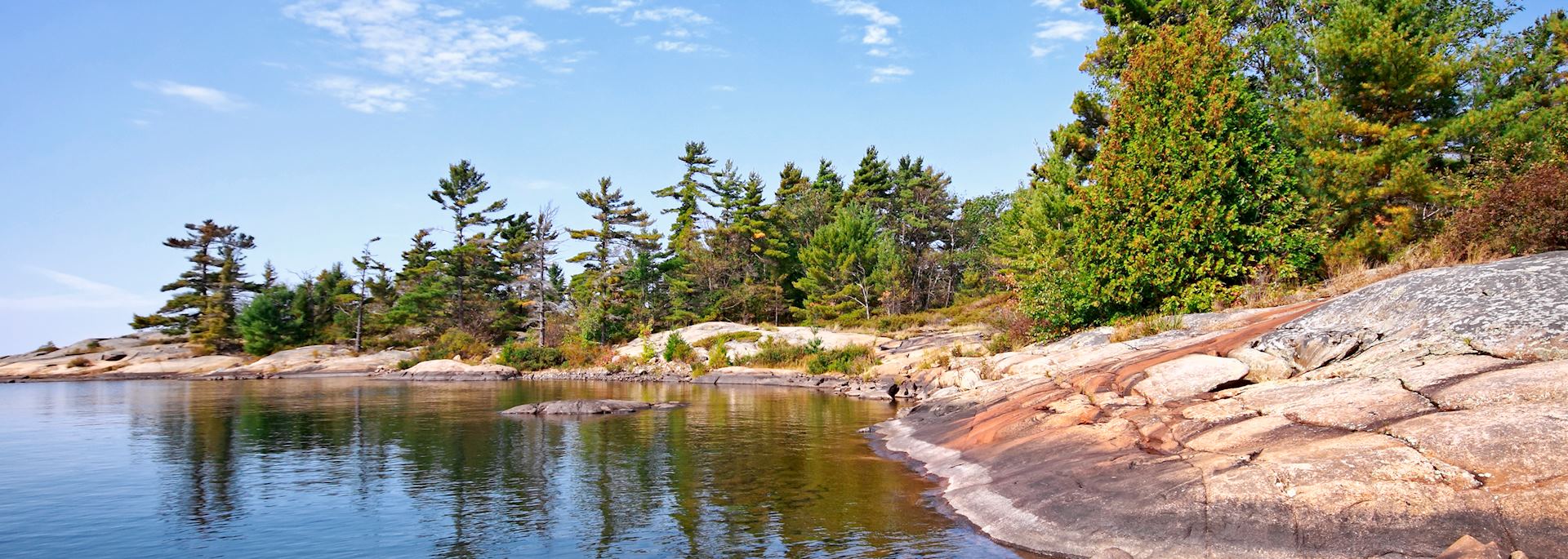
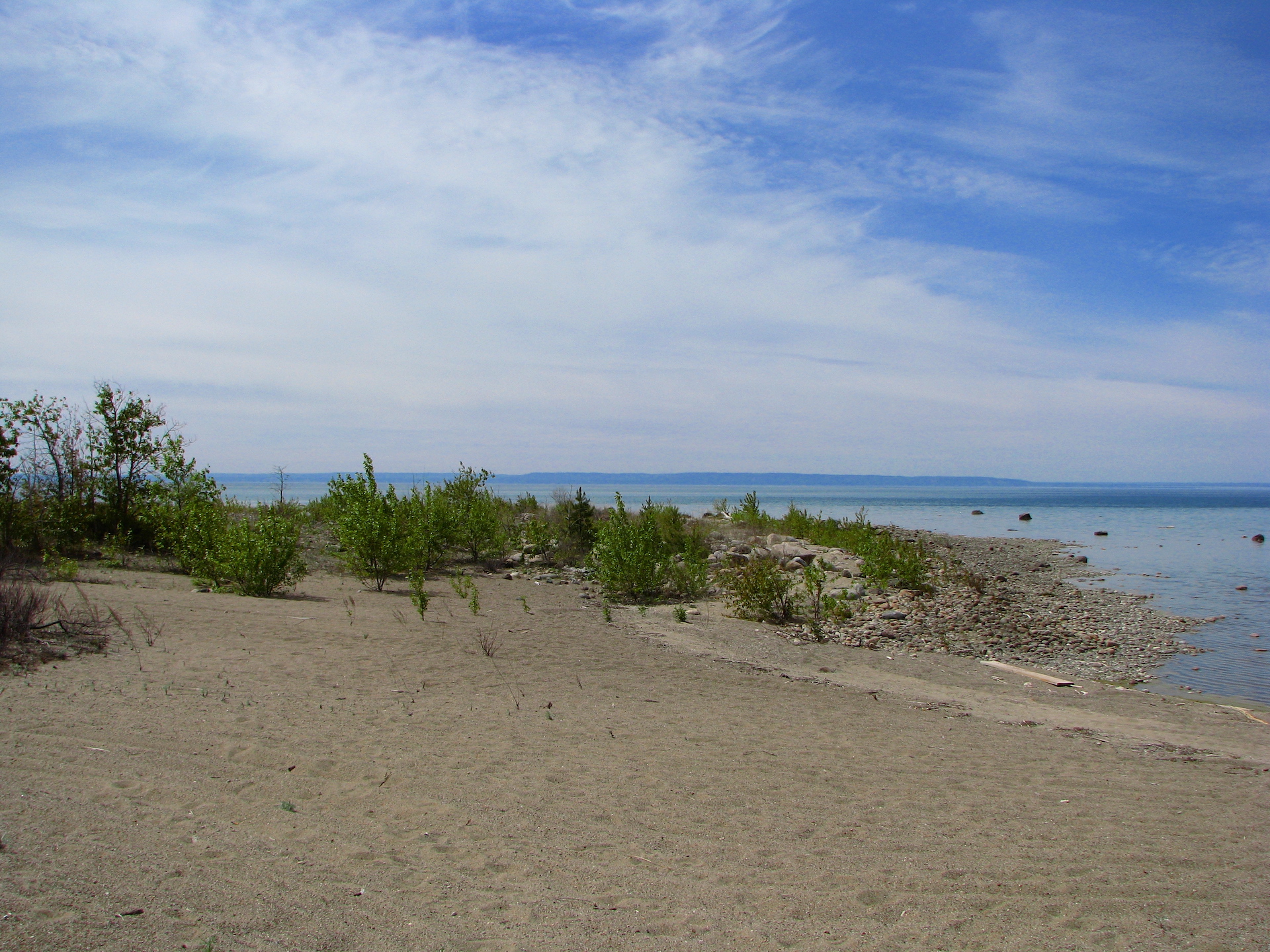
The shorelines of Georgian Bay, Lake Huron, and the inland lakes surrounding Midland and Penetanguishene face relentless environmental pressures. Fluctuating water levels—driven by seasonal cycles and long-term climate patterns—expose and submerge shoreline soils repeatedly, weakening banks and accelerating erosion. Winter ice scour grinds against unprotected waterfronts, while summer storm waves undercut banks and carry away sediment. Without professional intervention, waterfront properties in Simcoe County can lose significant land area within just a few years. Our shoreline restoration services combine hard armouring, bioengineering, and strategic grading to halt erosion and rebuild resilient waterfronts.
Hard Armouring vs. Bioengineering: Choosing the Right Approach
The most effective shoreline restoration strategies often combine hard armouring with bioengineered solutions. Hard armouring—using armour stone, boulders, and engineered retaining walls—provides immediate structural protection against wave action and ice damage. These installations are critical for high-energy shorelines along Georgian Bay where wave fetch is significant. Bioengineering, on the other hand, uses native plantings, coir logs, and root systems to stabilize soil organically. For many Midland and Penetanguishene waterfronts, a hybrid approach delivers the best long-term results: stone armouring at the waterline paired with native vegetation buffers above to filter runoff and prevent surface erosion.
Understanding Local Regulations & Permits
Shoreline restoration in the Midland and Penetanguishene area falls under the jurisdiction of several regulatory bodies. The Ministry of Natural Resources and Forestry (MNRF) governs work below the high-water mark, while the Severn Sound Environmental Association and the Nottawasaga Valley Conservation Authority oversee environmental impacts in their respective watersheds. Municipal bylaws in Tiny Township, Tay Township, and the Town of Midland add additional requirements. Our team has extensive experience navigating these regulatory frameworks, ensuring your restoration project secures all necessary approvals before any work begins.
Native Plant Species for Simcoe County Shorelines
Restoring a shoreline is not just about preventing erosion—it is about rebuilding a healthy ecosystem. We incorporate native species suited to the Georgian Bay region, including red osier dogwood, native willows, blue flag iris, and various sedge species that anchor soil with dense root networks. These plantings attract pollinators, provide fish habitat, filter nutrient runoff, and enhance the natural beauty of your waterfront. Our planting services team selects species based on your specific site conditions, including sun exposure, soil type, and water level fluctuation range.
Integration with Waterfront Landscaping
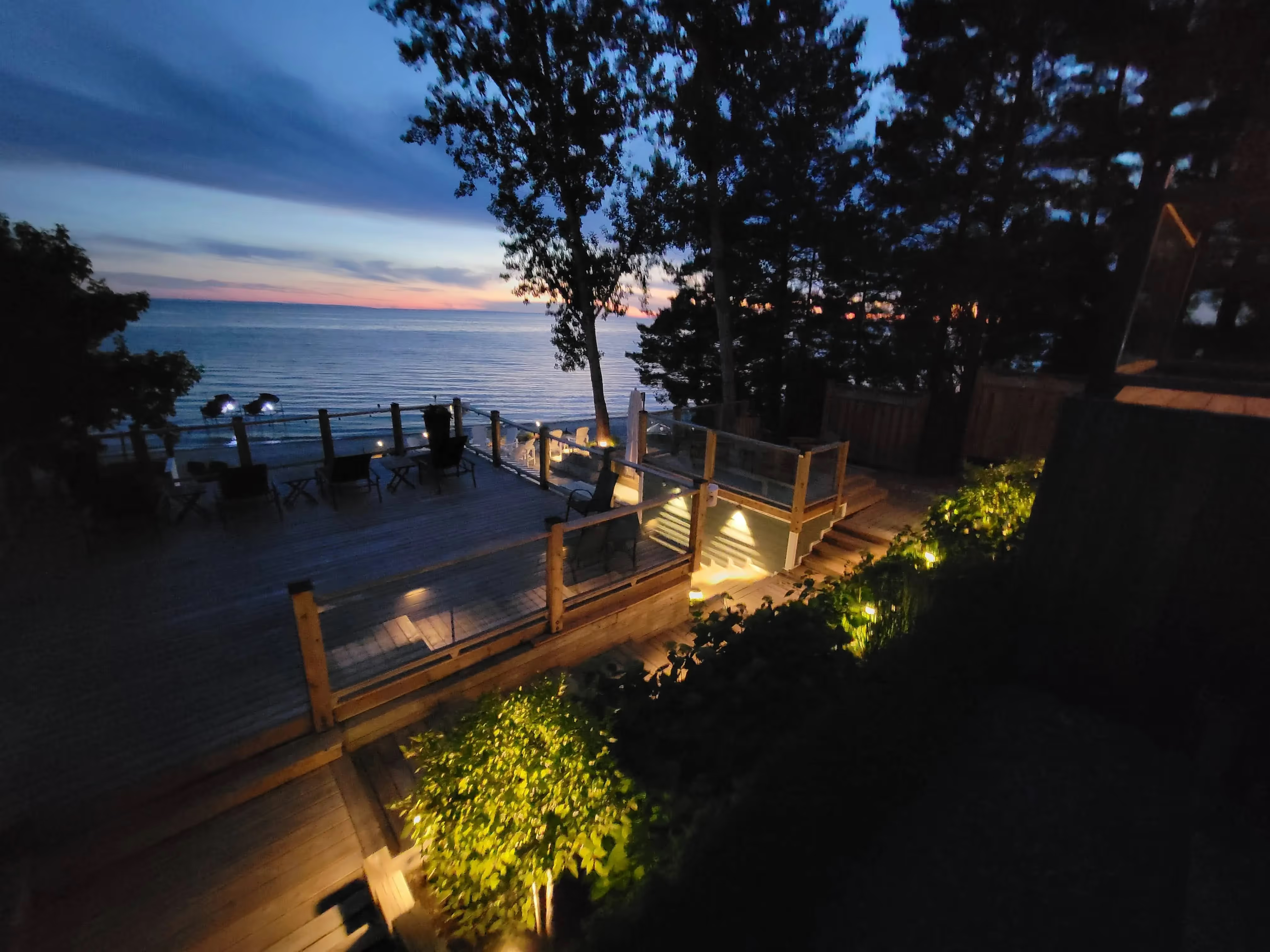
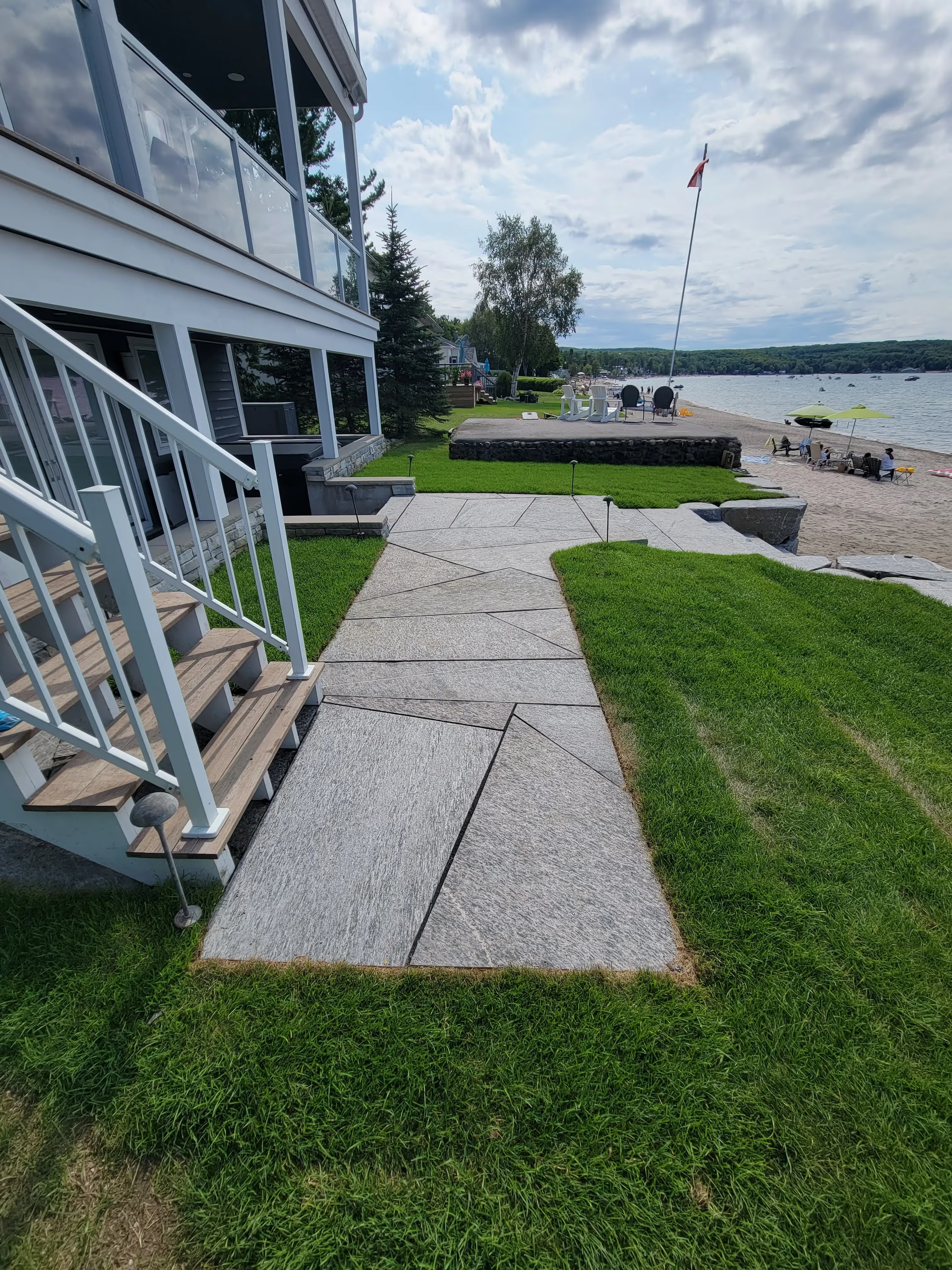
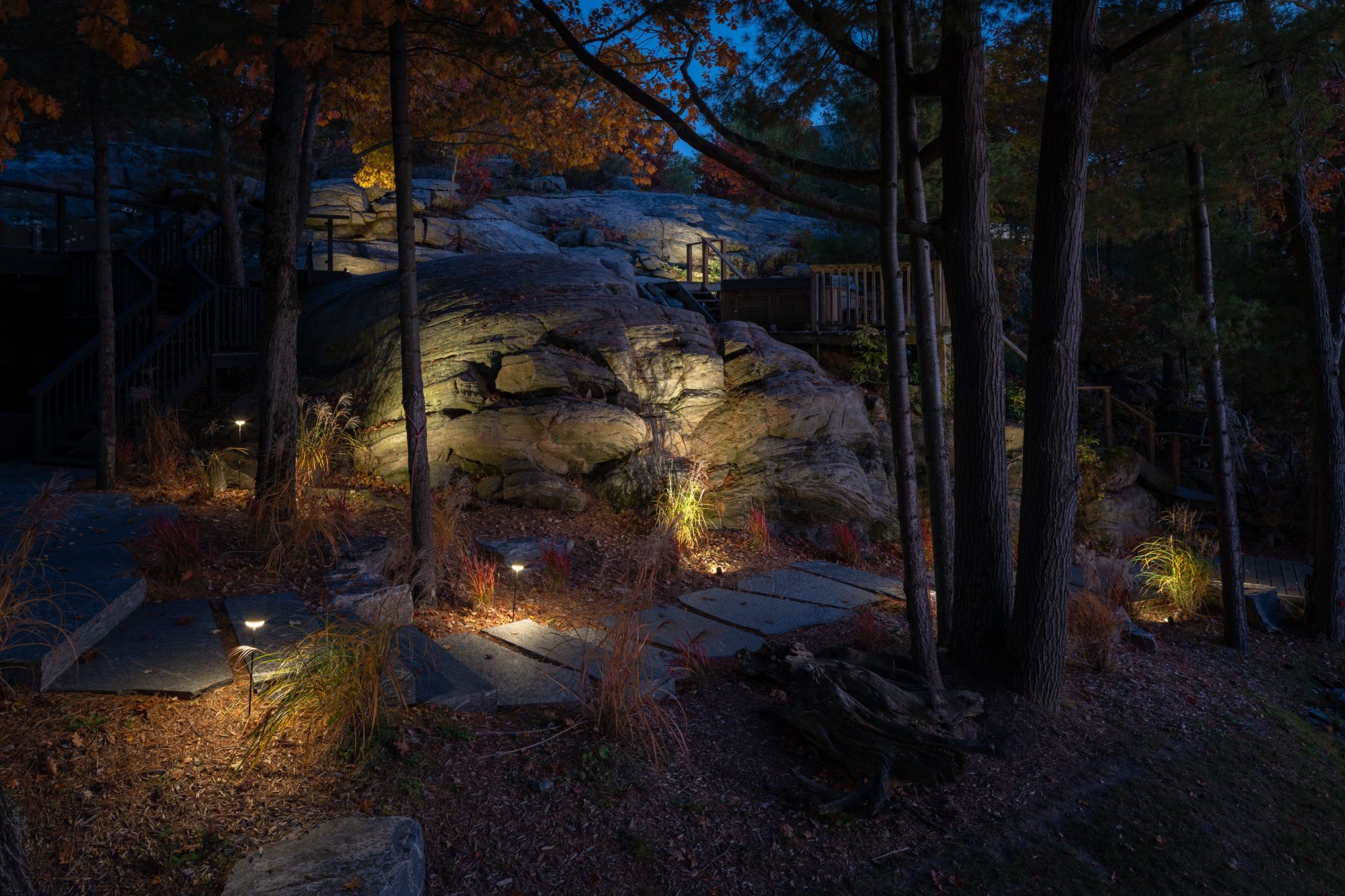
Shoreline restoration works best as part of a comprehensive waterfront plan. We coordinate restoration with beachfront landscaping, waterfront construction, and drainage solutions to create a unified, functional, and beautiful waterfront property. Proper land grading above the shoreline directs surface water away from vulnerable banks, while strategically placed armour stone walls create terraced access to the water's edge.
Long-Term Shoreline Protection for Georgian Bay Properties
A properly restored shoreline is an investment that protects your property for decades. Our restoration projects are designed to account for anticipated water level changes, ice conditions, and storm intensity typical of the Georgian Bay and Lake Huron corridor. We build resilient systems that adapt to seasonal fluctuations rather than fighting them. Whether your property is on Georgian Bay, the Severn River, or one of Simcoe County's many inland lakes, our team delivers restoration solutions that safeguard your land and enhance your waterfront experience. Contact us to schedule a shoreline assessment for your property.