Landscaping at a mall or shopping centre should make the site easy and safe to walk, give shoppers reasons to stay, and survive traffic, salt and snow on a sensible maintenance budget. Focus on planted islands with healthy trees, clear accessible walkways, good lighting, dry parking areas and a maintenance and snow plan written alongside the design.
Key takeaways
Good landscaping at a mall or shopping centre does three jobs: it makes the property easy and safe to walk through, it gives shoppers a reason to stay longer, and it holds up to heavy traffic, road salt and snow piles with a sensible maintenance budget. That means planted islands and entrances that survive winter, clear walkways, lighting that works after dark, drainage that keeps parking areas dry, and a maintenance plan that keeps it all looking cared for. At Forty Five Scapes, we design, build and maintain commercial landscaping for retail properties around Midland, Penetanguishene and Georgian Bay. This guide covers the design strategies that work for retail sites, the winter details that matter here, and how to plan the next season.
The Importance of Landscaping in Retail Environments
Landscaping around malls and shopping centres goes beyond decoration. It does practical work for the property:
- First Impressions: The parking lot and entrances are the first thing customers see. Tidy beds, healthy trees and clear signage tell them the property is cared for.
- Customer Experience: Shade, seating and planted areas make it more pleasant to walk between stores and give people somewhere to wait or take a break.
- Brand Image: Consistent plantings, materials and seasonal displays give a centre a recognizable look.
- Environmental Impact: Trees and planted areas shade pavement, reduce the heat island effect of large parking lots and soak up some of the runoff.
- Economic Benefits: Research by Dr. Kathleen Wolf at the University of Washington found shoppers said they would pay about 9% more in small cities, and 12% more in large cities, for the same goods in business districts with trees, as summarized by the Federal Reserve Bank of Boston.
Strategies for Creating Appealing Landscapes in Malls and Shopping Centres
The following strategies work for most retail properties, from a strip plaza to an enclosed mall with a large parking field.
1. Integrate Green Spaces and Gardens
Enhancing Aesthetics and Relaxation
Green spaces break up the pavement and glass of a retail site and give customers somewhere comfortable to pause.
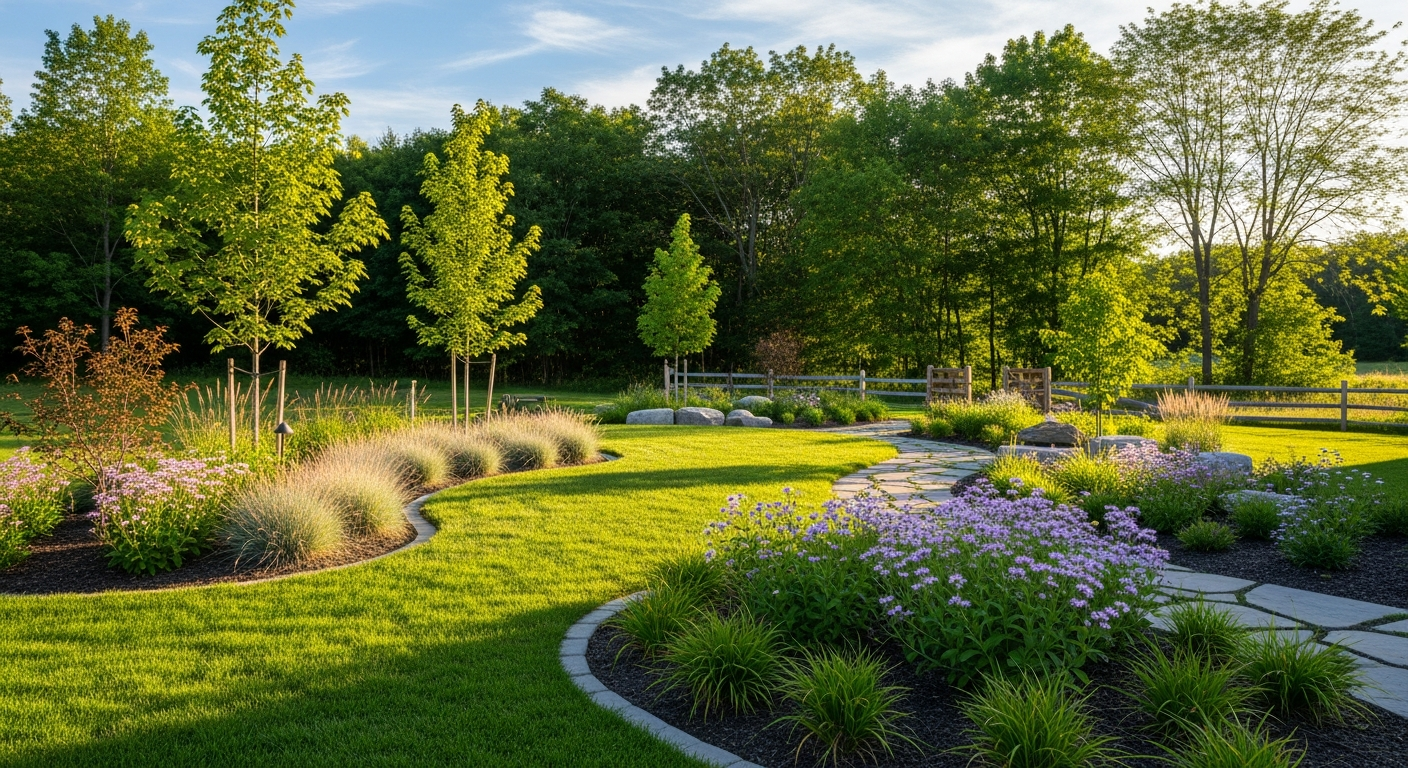
- Themed Gardens: Native plant gardens, pollinator beds or a simple stone-and-grass garden add visual interest and are easier to maintain than large annual beds.
- Seating Areas: Place seating in shade, near entrances and food tenants, where people actually wait.
- Parking lot islands: Planted islands with trees break up a large lot, guide traffic and shade cars. Give tree roots enough soil volume, or the trees will struggle and lift the pavement.
2. Incorporate Water Features
Creating Tranquil and Inviting Atmospheres
Water features like fountains, ponds and waterfalls add sound and movement to a courtyard or entrance plaza.
- Fountains and Waterfalls: They work as focal points and mask road and parking lot noise.
- Ponds and Reflecting Pools: They add depth to a courtyard, but in our climate they need to be drained or winterized each fall, so budget for that.
3. Utilize Hardscaping Elements
Balancing Soft and Hard Elements
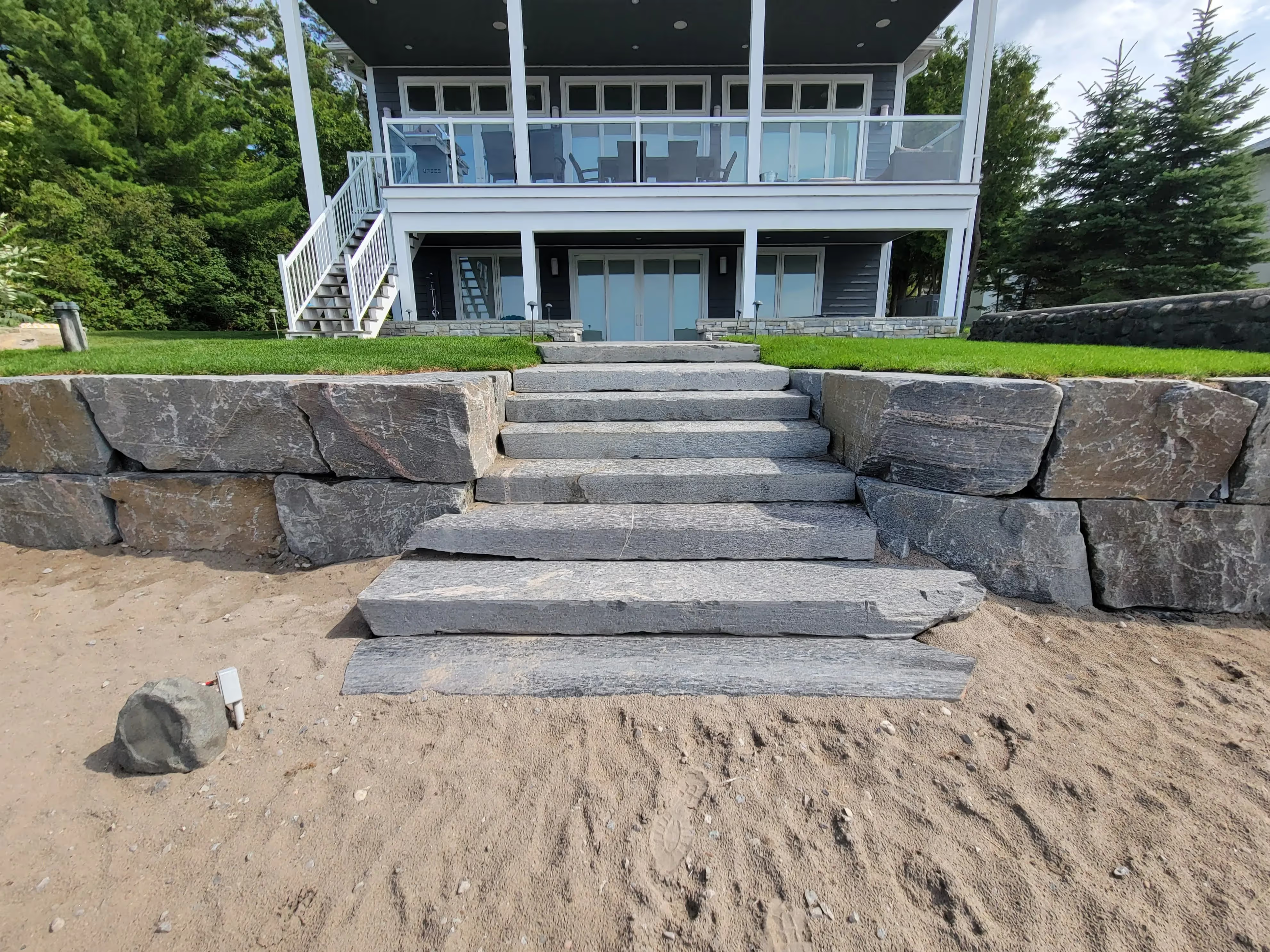
Hardscaping elements such as walkways, patios and retaining walls give the landscape its structure and carry the foot traffic.
- Walkways and Pathways: Lay out clear routes between parking, entrances and storefronts so people are not cutting across beds or driving lanes.
- Patios and Seating Areas: Outdoor seating near food tenants gives customers a place to eat and stay longer.
- Accessible routes: Ontario's Accessibility for Ontarians with Disabilities Act (AODA) Design of Public Spaces Standards set requirements for exterior paths of travel, curb ramps and accessible parking when they are newly built or redeveloped. Check with your designer which requirements apply to your organization.
4. Implement Sustainable Landscaping Practices
Promoting Environmental Responsibility and Cost Efficiency
Sustainable choices usually lower maintenance costs as well.
- Native and Drought-Tolerant Plants: Choose plants suited to the local climate, which need less water and maintenance and support local wildlife.
- Salt-tolerant planting: Beds along driving lanes and sidewalks take a lot of road salt and plowed snow. Use salt-tolerant shrubs and grasses there and save sensitive plants for protected areas.
- Efficient Irrigation Systems: Smart controllers with rain or soil moisture sensors cut water use and stop sprinklers running in the rain.
- Green Roofing and Living Walls: Green roofs and living walls add planting without using ground space, but they need structural review and their own maintenance plan.
5. Enhance Lighting for Safety and Ambiance
Creating a Welcoming and Secure Environment
Lighting keeps the property usable after dark and helps people feel safe walking to their cars.
- Path Lighting: Light walkways and crossings so customers can see changes in grade and curbs.
- Accent Lighting: Highlight trees, signage and building features to give the property presence at night.
- Security Lighting: Keep parking areas and building edges evenly lit, and avoid glare that blinds drivers.
6. Create Interactive and Engaging Spaces
Fostering Customer Engagement and Loyalty
Spaces that host activity give people another reason to visit.
- Playgrounds and Interactive Installations: A small play area near food tenants gives families a reason to stay.
- Art Installations and Sculptures: Public art and sculpture create landmarks and meeting points.
- Seasonal Displays and Events: Planters and open lawn or plaza space can host holiday displays, farmers' markets or outdoor events.
7. Optimize Maintenance Practices
Ensuring Long-Term Beauty and Functionality
Even a good design looks neglected without regular maintenance. Write the maintenance plan at the same time as the design.
- Regular Inspections and Upkeep: Check plant health, irrigation, lighting and hardscape on a schedule, not only after complaints.
- Professional Maintenance Services: A maintenance contract with clear scope and visit frequency keeps the property consistent and lets your team focus on tenants.
- Seasonal Adjustments: Plan spring cleanup, summer colour, fall cleanup and winter protection as part of the same yearly schedule.
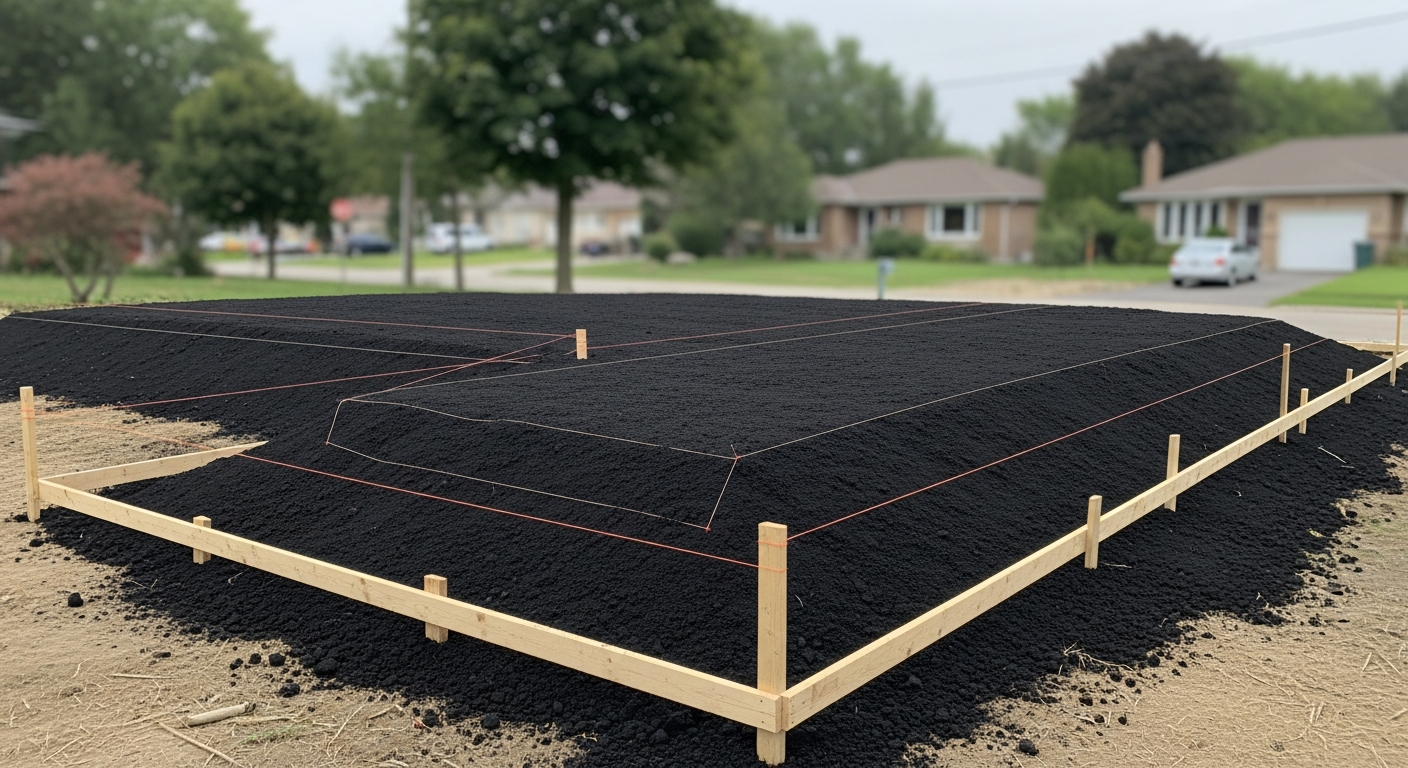
When you compare maintenance or renovation bids, make sure every contractor is pricing the same quantities. Turf, bed and paving areas in square metres, mulch and soil in cubic metres, and grades in percent are the numbers that drive a landscape quote. A quick measurement of your own lets you spot a bid that is missing half the beds or doubling the mulch.
Field drawing 01 · Measuring
Measure area, slope and volume before you order
Three numbers drive every landscape quote: square metres, fall and cubic metres.
Swipe to see the full drawing →
- Split odd shapes. Break the yard into rectangles, triangles and circle segments, measure each, then add them.
- Level a string line. Stretch it between two stakes and set a line level in the middle so the string is dead level.
- Measure down at each stake. The difference is the rise. Divide by the run between stakes and multiply by 100 for percent.
- Volume = area × depth. Convert depth to metres first. Tell the supplier the compacted depth you need.
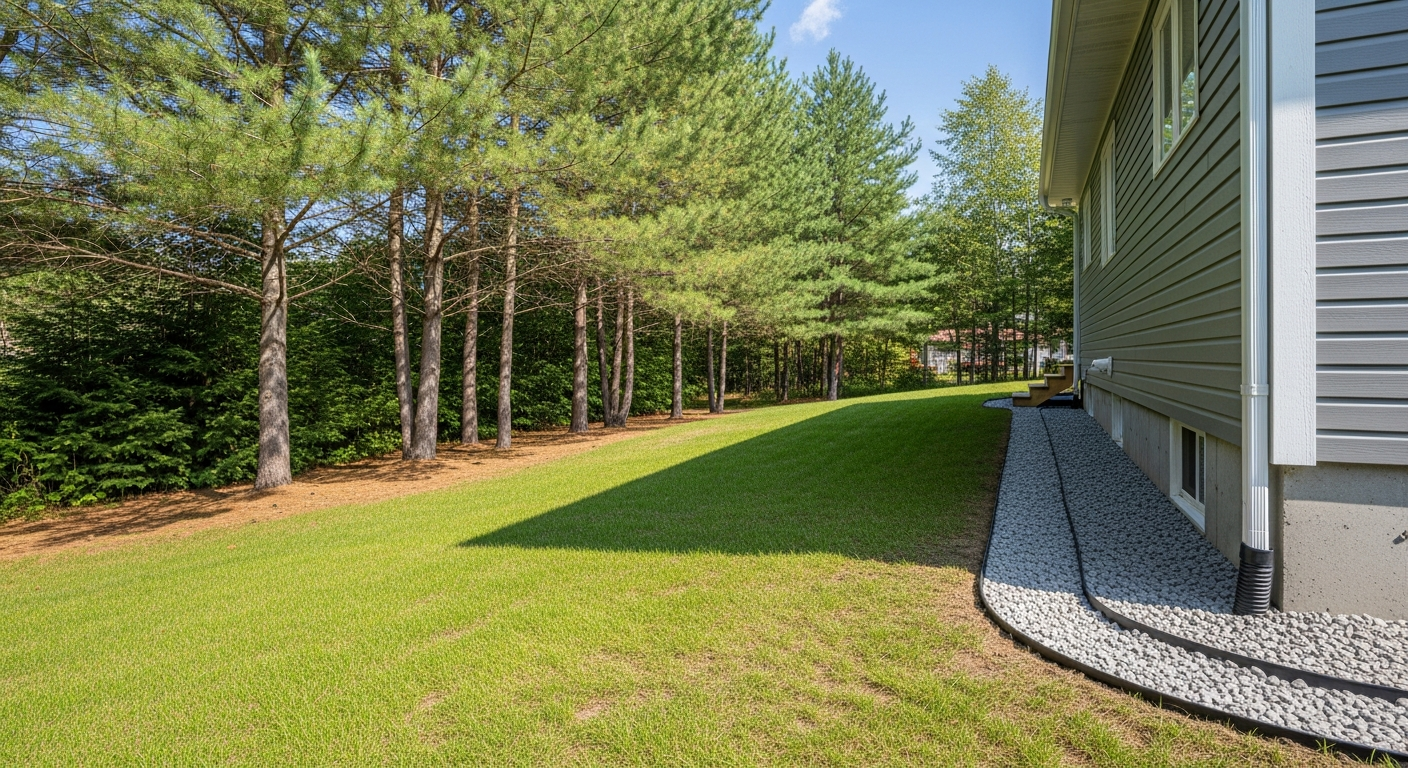
- Check against the standard. In Midland, grass must fall at least 2% away from buildings and hard surfaces at least 1%.
The same measurements help with drainage. Planted islands and walkways should fall away from building entrances, and the Town of Midland's minimums (2% for grass, 1% for hard surfaces) are a useful check on whether water is being sent the right way.
8. Plan for snow and ice
In Midland, Penetanguishene and the rest of Georgian Bay, the landscape has to work around winter. Snow storage areas need room that does not bury planted islands, block sight lines at exits or melt across walkways and refreeze. Keep trees and lighting poles out of the spots where plows push snow, use salt-tolerant planting along drive lanes, and make sure meltwater from snow piles can reach a catch basin. Coordinating landscaping and commercial snow removal under one plan prevents most of the spring damage we see on retail properties.
Benefits of Thoughtful Landscaping in Retail Environments
Well-planned commercial landscaping pays back in several ways:
1. A better visit for customers
Shade, seating and clear walkways make it easier and more pleasant to move between stores, which can encourage people to stay longer.
2. Enhanced Brand Image and Loyalty
A property that looks cared for signals the same about its tenants and management.
3. Improved Environmental Sustainability
Trees and planted areas reduce heat and runoff from large paved areas.
4. Property value and leasing
Landscaping is part of what prospective tenants see on a site visit, and a well-kept property is easier to lease.
5. Better Employee Well-being
Staff use the property every day too, and shaded seating and green space give them somewhere to take a break.
Why Choose Forty Five Scapes for Your Commercial Landscaping Needs?
Forty Five Scapes is a family-owned design-build landscaping, excavation and snow removal company based in Penetanguishene. For retail properties we offer:
- Customized Design Solutions: Landscape designs built around your property, tenants and traffic patterns.
- Experienced Professionals: Our crews handle design, hardscaping, planting, grading and drainage.
- Sustainable Practices: Native and salt-tolerant planting, efficient irrigation and materials that last.
- Comprehensive Services: Consultation, design, installation, maintenance and snow removal from one company.
- Direct communication: One contact who knows your property and answers when something needs attention.
Planning 2027 commercial landscaping for your shopping centre
Retail landscaping work has to fit around tenants and traffic, so it pays to plan it early. Use the winter to walk the property with your contractor, note what failed this year (salt-burned beds, dead island trees, worn turf, dark spots in the lot), and decide what gets replaced, redesigned or added. Design and pricing can be finished over the winter. Planting and hardscape work can start once the ground thaws and dries, usually late April or May in Simcoe County, and booking early helps you get work done before the busy summer shopping months instead of during them. If the work changes an approved site plan, such as new parking layout, grading or lighting, check with the municipality before you finalize the design.
- Review this season's problem areas and photograph them before snow covers them.
- Set the 2027 maintenance scope, including visit frequency, seasonal colour and fall cleanup, before contracts renew.
- Pair landscaping with snow plans so new islands and planters do not end up in the plow's path.
- Choose tougher plants for the hardest spots: native, salt-tolerant species that need less water.
Frequently asked questions
What does commercial landscaping for a shopping centre include?
Usually design, installation and maintenance of planted islands, entrance beds, trees, turf, walkways, seating areas, lighting and drainage, plus seasonal work such as spring and fall cleanup. Many retail properties also bundle snow removal into the same contract.
Which plants work best in shopping centre parking lots?
Hardy, salt-tolerant trees, shrubs and ornamental grasses that handle heat, reflected light and winter salt. Native species are a good starting point, and trees need enough uncompacted soil to grow.
How often should a retail property's landscaping be maintained?
Most retail properties need weekly or bi-weekly visits through the growing season for mowing, litter and bed care, plus spring and fall cleanups. The right frequency depends on the size of the site and how much planting it has.
When should I plan landscaping upgrades for a commercial property?
Plan over the fall and winter so design and pricing are done before spring. Construction can usually start in late April or May around Midland and Penetanguishene, once the ground has thawed and dried.
Getting started
Landscaping for malls and shopping centres works best when design, maintenance and winter operations are planned together. Clear walkways, healthy planted islands, good lighting and dry parking areas make the property easier to use and easier to lease. For more on the parking side, read our guide to parking lot landscaping design.
Contact Forty Five Scapes to talk about landscaping, maintenance and snow plans for your mall or shopping centre.
Planning a project this season?
We’ll walk the site, scope it properly and give you a straight price.
Mark and Matt are amazing. Not only do they do high-quality work, but they are also collaborative every step of the way. They are also great at problem-solving for unforeseen issues, or if you are just stuck on what to do in a certain area. I highly recommend Forty-Five Scapes for your landscaping needs.
Frequently asked questions