A catch basin is an underground box with a grate that collects surface runoff from parking lots and landscaped low spots and sends it to a storm pipe, with a sump that traps sediment. On commercial sites it only works with proper grading (at least 1% on hard surfaces), an outlet pipe with continuous fall, and yearly inspection and sump cleaning.
Key takeaways
A catch basin is a below-grade box with a grate on top that collects surface runoff from parking lots, loading areas and low spots in the landscape and sends it into a storm pipe. Below the outlet pipe sits a sump that holds back sand and sediment. On a commercial property, catch basins placed at the low points of a properly graded site are the main defence against ponding, winter ice and water running toward the building.
Effective drainage protects pavement, landscaping and foundations, and the installation of catch basins is one of the most reliable ways to manage excess water. Forty Five Scapes designs and installs catch basin and drainage systems for commercial and residential properties across Midland, Penetanguishene and Georgian Bay.
Understanding Catch Basins
A catch basin, often called a storm drain, is an underground structure that collects surface water through a grate and redirects it into a storm pipe. Water that pools on a surface eventually finds its own way out, often into a building, across a sidewalk or into the subgrade under the pavement. A catch basin gives it a planned exit.
Commercial catch basins in parking lots and drive aisles are usually precast concrete structures with cast iron frames and grates rated for vehicle loads. Smaller plastic catch basins, often 150 to 300 mm (6 to 12 inches) across, suit landscaped areas, walkways and residential yards. In both cases the basin only works if the surface around it is graded to send water there.
The Importance of Proper Drainage
Inadequate drainage can result in numerous issues, including soil erosion, plant damage, and even structural problems in buildings. Standing water can become a breeding ground for mosquitoes and other pests, posing health risks. Moreover, waterlogged areas can lead to slippery surfaces, increasing the likelihood of accidents. Implementing an effective drainage system, such as catch basins, is essential to mitigate these risks and maintain a safe, healthy environment.
Grading comes first. The Town of Midland's lot grading standards give a useful benchmark: soft areas fall at least 2% away from buildings, hard surfaces at least 1%, and swales are at least 150 mm deep with a 2% minimum grade and side slopes no steeper than 3:1. A catch basin set at the low point of surfaces graded this way collects water before it reaches the building. Our lot grading crews set those slopes before the basins go in.
Field drawing 04 · Lot grading
Grade every lot away from the house
These are the Town of Midland's minimums for lot grading plans. Most neighbouring towns use similar numbers.
Swipe to see the full drawing →
- Rear apron. At least 5 m of rear yard graded between 2% and 5% away from the house.
- Softscape fall. Grass and planting beds fall at least 2% away from every building. Hard surfaces fall at least 1%.
- Swale depth. Swales sit inside the lot, at least 150 mm deep, and run at a 2% minimum along their length.
- Side slopes. No steeper than 3:1 so they can be mowed and don't erode.
On older commercial sites, ponding usually traces back to settled asphalt, a basin set too high, or a lawn area that drains onto pavement. Fixing the grade and the basin together is cheaper than fixing either one twice.
Benefits of Installing Catch Basins
- Flood Prevention: By efficiently channeling water away from your property, catch basins reduce the risk of flooding during heavy rainfall.
- Landscape Protection: Excess water can damage plants and soil. Catch basins help maintain the health and appearance of your landscape.
- Safety Enhancement: Eliminating standing water reduces slip hazards and minimizes the breeding grounds for mosquitoes.
- Foundation Preservation: Proper drainage prevents water from seeping into building foundations, thereby avoiding potential structural damage.
Our Catch Basin Installation Process
At Forty Five Scapes, we follow the same steps on every drainage project:
Site Assessment
We walk the site, ideally after rain or during spring melt, and survey its grades to find where water collects and where it can legally go.
Customized Design
Based on our assessment, we design a drainage system tailored to your landscape's unique needs.
Professional Installation
Our crew excavates, sets the basin on a compacted base at the right elevation, connects the outlet pipe at a continuous fall, and restores the asphalt, concrete or landscape around it.
Post-Installation Support
We provide guidance on maintenance practices to keep your drainage system operating efficiently.
Choosing the Right Catch Basin for Your Property
Selecting the appropriate catch basin depends on various factors, including the size of the area, the volume of water runoff, and the specific landscape features. Plastic yard catch basins typically range from 6 to 12 inches, while commercial parking-lot basins are much larger precast structures. The choice of grate is also important; flat grates blend into their surroundings and can handle light foot traffic, whereas atrium grates have a dome shape that's great for areas prone to lots of debris, such as flower beds or mulchy landscaping.
Catch basins vs. French drains
A catch basin collects water from the surface. A French drain collects water from the soil: a perforated pipe in a trench of clear stone, wrapped in filter fabric, that intercepts groundwater and soggy-ground seepage before it reaches a foundation or pavement base. Many commercial and residential sites use both, with the French drain carrying water to a catch basin or another outlet. Either way, the pipe needs at least 1% fall the whole way to a daylight outlet, a dry well or an approved storm connection.
Field drawing 05 · Yard drainage
A French drain only works if it keeps falling
Wrap the stone, point the holes down and give the water a real exit. Depth matters less than continuous fall.
Swipe to see the full drawing →
- Non-woven filter fabric. Line the trench and wrap it over the stone so silt can't clog the drain.
- Perforated pipe, holes down. Bed it on a few centimetres of clear stone so water rises into the holes.
- Clear stone only. Washed stone with no fines. Crusher run with fines will plug.
- Cap with topsoil and sod. Or finish with decorative stone if the drain also catches surface water.
- Fall and outlet. At least 1% fall the whole way to a daylight outlet, dry well or approved storm connection. A drain with no exit is a buried bathtub.
The detail that fails most often is the outlet. A French drain or catch basin lead with no real exit fills up and holds water. Our commercial landscape drainage solutions guide covers outlets and storm connections in more detail.
Maintenance of Catch Basins
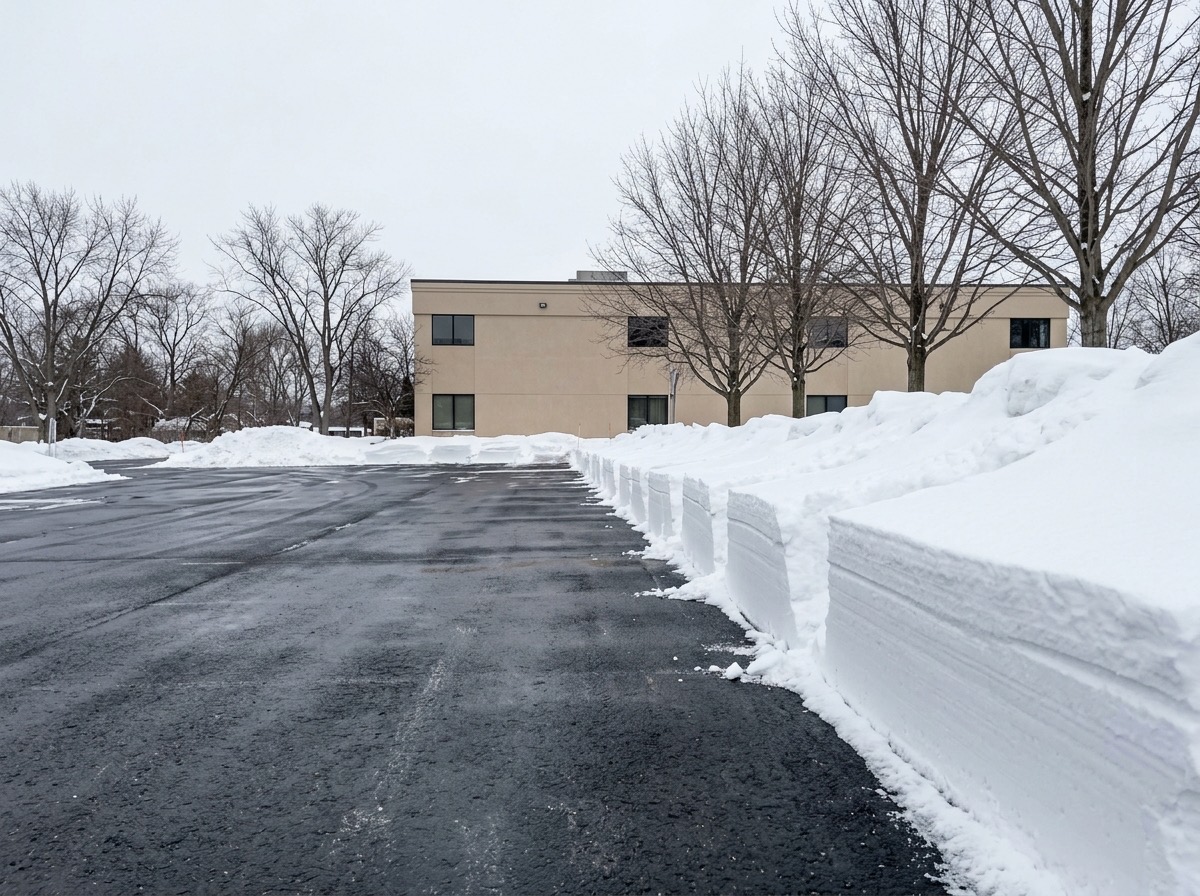
Regular maintenance is crucial to ensure the longevity and effectiveness of your catch basin. Over time, debris such as leaves, sediment, and trash can accumulate, potentially leading to clogs. It's recommended to clean the grate and the interior of the basin periodically. Installing a debris trap underneath the grate can help catch large debris, making maintenance easier. Additionally, sweeping your lot regularly can reduce the amount of debris that enters the catch basin. On commercial lots, inspect basins at least once a year, ideally after spring melt when winter sand has washed in, and have the sumps cleaned out with a vacuum truck when sediment builds up. In winter, keep snow piles off grates so meltwater has somewhere to go; our parking lot snow removal crews plan pile locations with that in mind.
Common Issues and Solutions
While catch basins are effective, they can encounter issues if not properly maintained:
- Clogging: Accumulation of debris can lead to blockages. Regular cleaning and the use of debris traps can mitigate this problem.
- Odors: Stagnant water and trapped debris can produce unpleasant smells. Ensuring proper drainage and regular cleaning can prevent this issue.
- Structural Damage: Over time, wear and tear can cause cracks or damage to the basin. Regular inspections and prompt repairs are essential to maintain functionality.
Environmental Considerations
Catch basins also help protect local waterways. The sump traps sand, grit and some debris before runoff enters the storm system, so less sediment reaches rivers and lakes. A sump is not a filter, though. Sites with heavy traffic or fuel handling may need catch basin inserts or an oil-grit separator, and new commercial developments often have stormwater quality requirements set through site plan approval. Clean sumps regularly, because a full sump passes sediment straight through.
Planning 2027 commercial catch basin installation
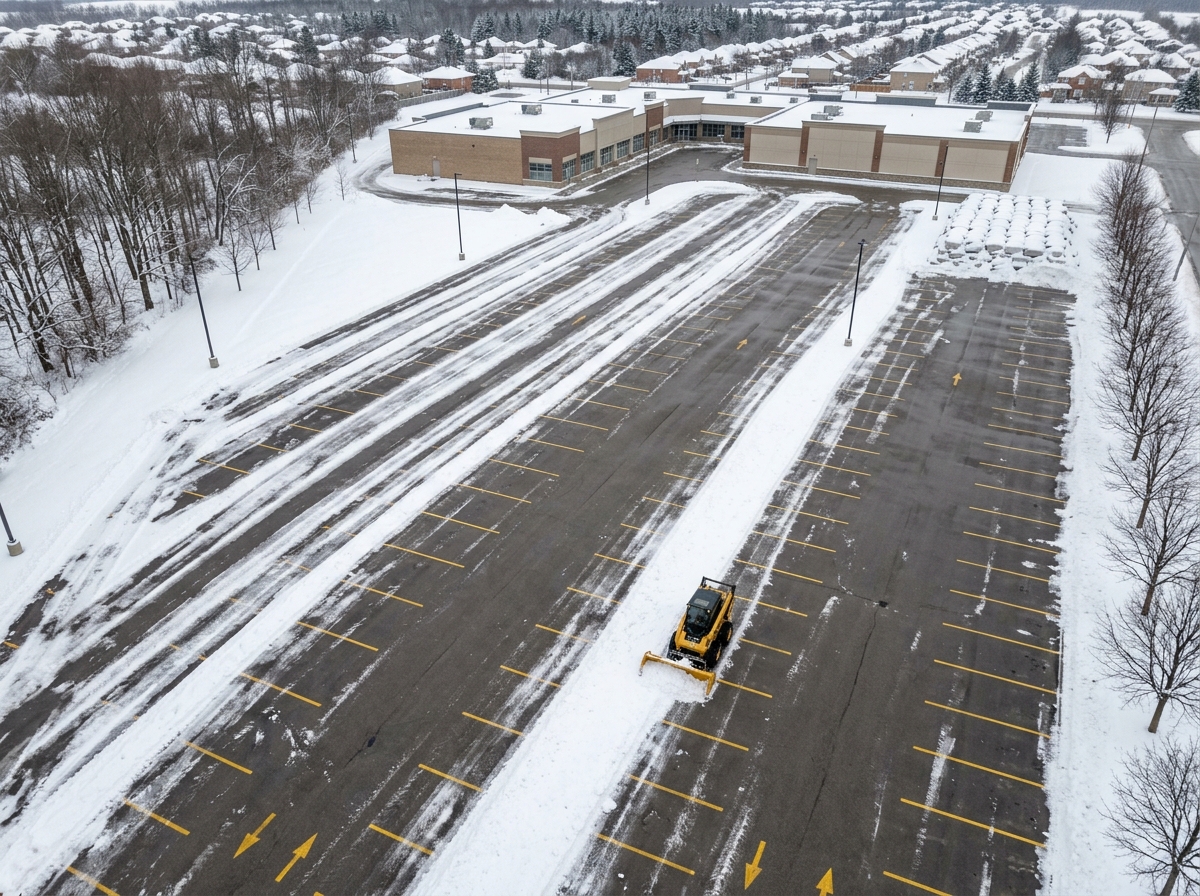
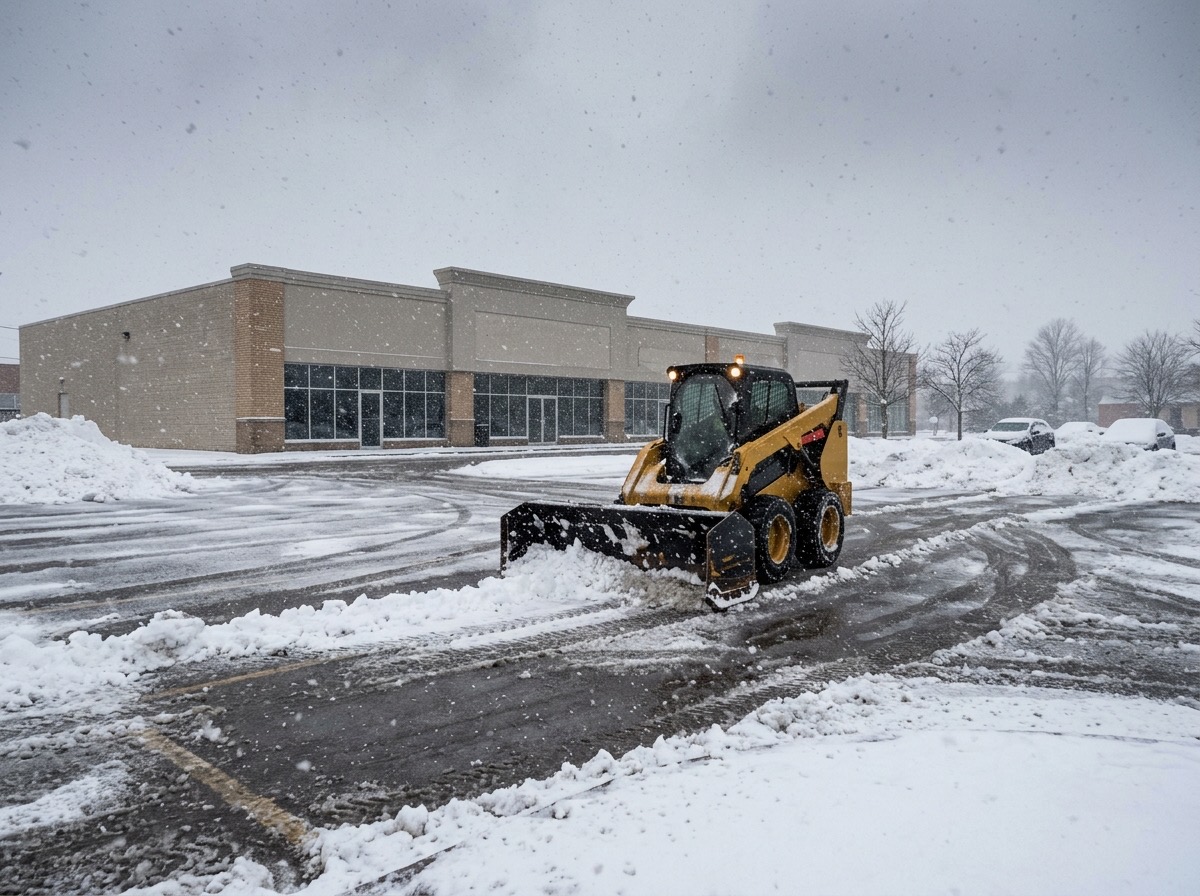
Winter is the best time to plan catch basin work for the 2027 season, because it is when drainage problems are easiest to see. Watch where meltwater ponds and refreezes, where ice builds up at entrances, and which grates sit under snow piles. Mark those spots and photograph them. Excavation can start once the ground thaws and dries, usually late April or May around Midland and Penetanguishene, and a design and approvals done over the winter keep the work ahead of the busy season for tenants and customers.
Before you book, find out whether the work needs an approval. Connecting a new basin to a municipal storm sewer needs the municipality's sign-off, and sites developed under a site plan agreement may need the drainage plan updated. If parking lot repaving is on the 2027 budget, plan the catch basins with it: raising, lowering or adding basins during repaving costs far less than cutting new asphalt later. For new designs, budget for sumps, frames and grates rated for the traffic, and a clean-out schedule.
- Winter: document ponding and ice, gather site plans and storm connection drawings.
- Early spring: survey, design and municipal approvals.
- Late April to June: installation, ideally before or with paving work.
Frequently asked questions
What is a catch basin?
A catch basin is an underground box with a grate that collects surface water from pavement or landscaped areas and sends it into a storm pipe. A sump below the outlet traps sediment so it does not clog the pipe.
How often should commercial catch basins be cleaned?
Inspect them at least once a year, ideally after spring melt, and clean the sumps when sediment builds up. Lots that use a lot of winter sand or have trees nearby usually need more frequent cleaning.
What is the difference between a catch basin and a French drain?
A catch basin collects surface water through a grate. A French drain collects water from the soil through a perforated pipe in clear stone. Many sites use both, with the French drain discharging to a basin or other outlet.
Do I need approval to add a catch basin on a commercial property?
Often, yes. A new connection to a municipal storm sewer needs the municipality's approval, and properties under a site plan agreement may need the drainage plan amended. Check before construction starts.
Why Choose Forty Five Scapes?
With over 15 years in construction and landscaping, we have completed more than 100 successful projects. Our commitment to quality service ensures that every aspect of your project, from securing permits to final clean-up, is handled professionally. We aim to create outdoor spaces that are not only functional but also enhance your family's enjoyment of the outdoors.
Contact Us
If you're dealing with ponding, ice or water near your building, contact Forty Five Scapes. Let's look at the site, find where the water is going, and plan a fix.
Planning a project this season?
We’ll walk the site, scope it properly and give you a straight price.
Mark and Matt are amazing. Not only do they do high-quality work, but they are also collaborative every step of the way. They are also great at problem-solving for unforeseen issues, or if you are just stuck on what to do in a certain area. I highly recommend Forty-Five Scapes for your landscaping needs.
Frequently asked questions