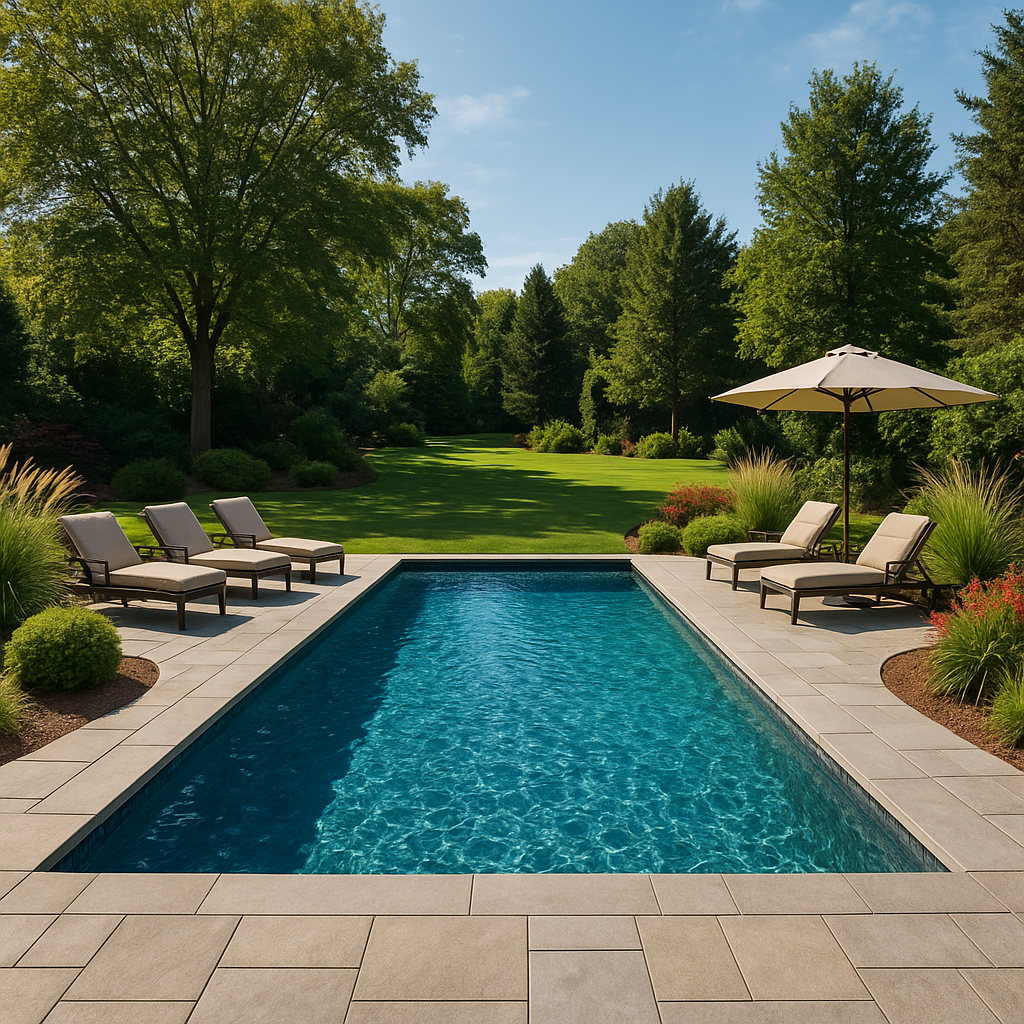
Installing a pool in Ontario covers design, permits, excavation, the shell, plumbing, electrical, the deck and a safety fence; in Midland a pool enclosure permit and an inspected fence at least 1.2 m high are required before the pool is filled. After installation, the pool needs weekly cleaning and water balance in summer, plus opening in May and closing in September or early October.
Key takeaways
A backyard pool in Ontario takes two kinds of work: installation, which covers design, permits, excavation, the pool shell, plumbing, electrical, the deck and the safety fence; and ongoing care, which covers weekly cleaning and water balance through the summer plus opening in spring and closing in fall. Getting both right is what makes a pool a pleasure rather than a chore.
This guide covers what to know about professional pool installation and regular cleaning services, with notes specific to Midland, Penetanguishene and the rest of Simcoe County.
Pool Installation: Where Great Design Meets Lasting Performance
Installing a pool isn't just about digging a hole and filling it with water. It's a detailed process that includes site preparation, plumbing, electrical work, permitting, and choosing the right materials and finishes to match your property layout.
The three main inground options each suit different budgets and sites. Fibreglass pools arrive as a one-piece shell and install quickly. Vinyl liner pools have the lowest upfront cost and flexible shapes, with liner replacement every several years. Concrete pools allow any shape and size but take the longest to build and need resurfacing over their life.
Working with experienced contractors like FortyFive Pools ensures:
- Your pool is tailored to your space and how you use it
- Local codes and regulations are fully followed
- Durable materials and sound construction methods are used
- The final result is safe, efficient, and built to last
From custom layouts to integrated spas and lighting, FortyFive Pools handles everything from the first drawing to the final walkthrough.
Permits and pool fencing in Midland
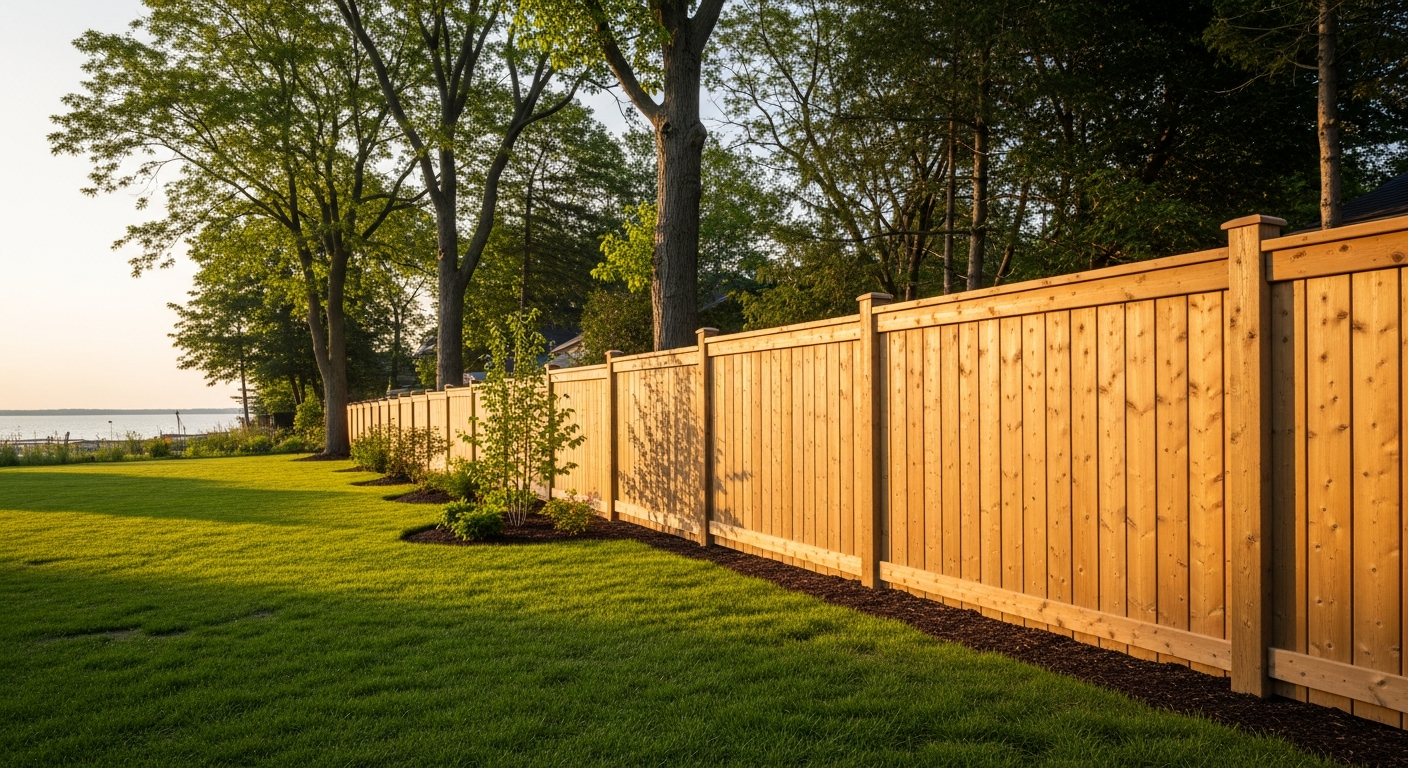
In Midland, the Pool Enclosure By-law (2026-27) requires a pool enclosure permit before you build a pool that can hold more than 0.6 m of water. The enclosure must be at least 1.2 m high, with no openings larger than 38 mm and no more than 100 mm of space underneath, and gates must be self-closing, self-latching and lockable. The pool cannot be filled until the enclosure has been inspected and approved, and a rigid temporary fence at least 1.22 m high is required during construction. Penetanguishene, Tiny and Tay have their own pool by-laws, so check with the municipality where the pool will go. Decks, retaining walls and electrical work may need separate permits and inspections.
Backfill and the pool deck
What goes around and under the pool matters as much as the shell. Fibreglass pools are commonly backfilled with clear stone, which drains and settles evenly against the shell, while the ground under the deck needs a dense, compacted base. Using the right aggregate in each place keeps the shell supported and the deck from sinking.
Field drawing 02 · Materials
Which aggregate goes where
Six materials do most of the work under a landscape. Mixing them up is the most common base failure.
Swipe to see the full drawing →
- Granular A. Dense-graded crushed stone (OPSS 1010). The compacted base under patios, walkways and driveways.
- Granular B. Coarser dense-graded material (OPSS 1010). Used as subbase under Granular A where loads or soft soils call for it.
- Clear stone. Washed, with no fines, so water moves through it. Use behind retaining walls and in French drains, never as a paver base.
- Bedding layer. About 25 mm of bedding under pavers, screeded flat. ICPI calls for a nominal 1 in (25 mm).
- Topsoil. Screened and stone-free. Municipal sod specs call for 150 mm or more over loosened subsoil.
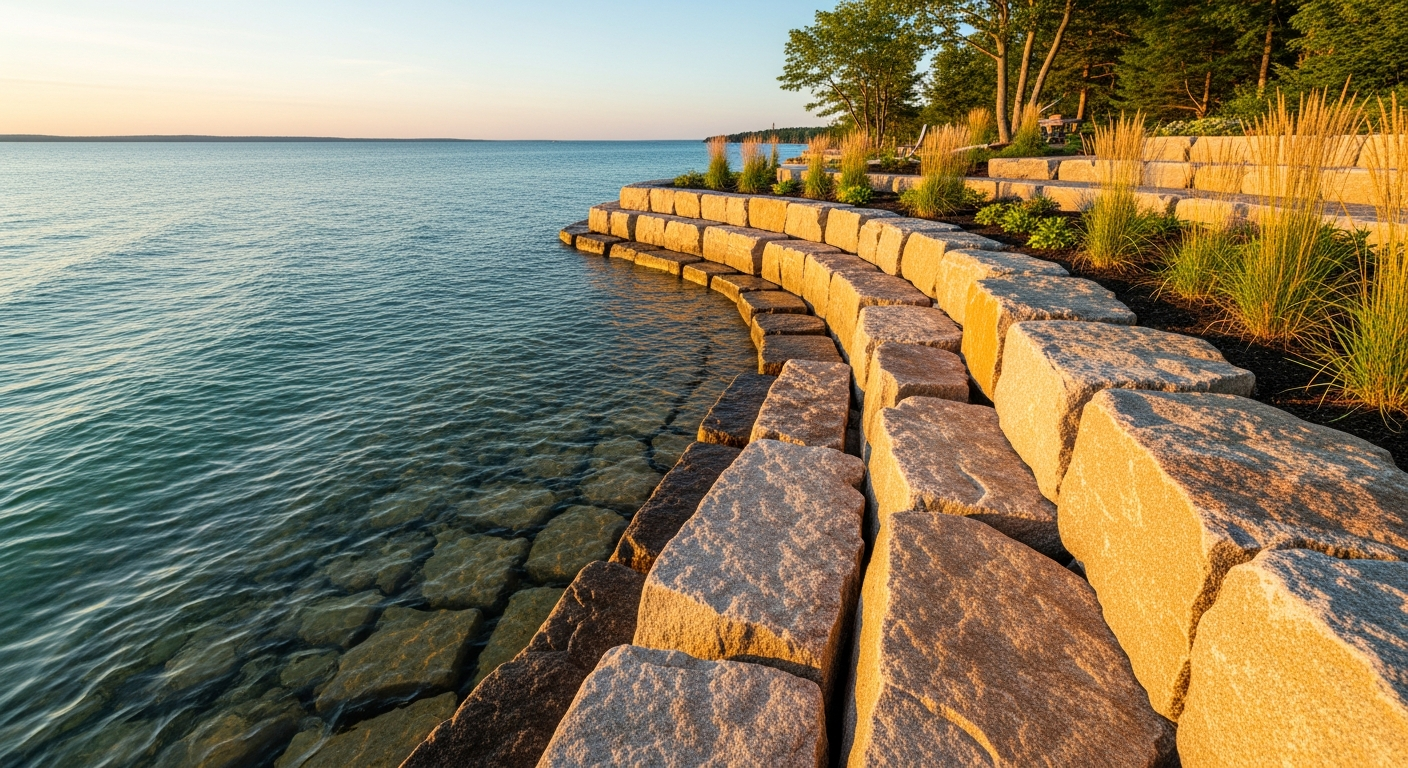
- Armour stone. Quarried blocks set on a compacted granular base, used for gravity walls, steps and shoreline toes.
Interlocking pavers are a common choice for pool decks because they stay cooler underfoot than dark concrete, give good grip when wet and can be lifted to reach plumbing. The deck should fall away from the pool and away from the house so splash and rain do not run back into the water or toward the foundation.
Under the pavers, the base does the real work. ICPI guidance calls for 100 to 150 mm of compacted Granular A under pedestrian areas such as a pool deck, compacted to at least 98% Standard Proctor, with a nominal 25 mm bedding layer and pavers at least 60 mm thick. Soil that was disturbed during excavation must be compacted in lifts before the base goes in, or the deck will settle next to the coping.
Field drawing 11 · Patios and driveways
The base under interlock is the real patio
Pavers are only the wearing surface. Settling, heaving and ruts start in the layers below.
Swipe to see the full drawing →
- Pavers. At least 60 mm thick for pedestrian areas and residential driveways.
- Bedding layer. A nominal 25 mm, screeded flat. Never use bedding to fix a bad base.
- Compacted Granular A. 100–150 mm under walks and patios, 150–200 mm under driveways, compacted to at least 98% Standard Proctor.
- Firm subgrade. Strip topsoil and soft spots and compact before the base goes in. Clay or wet sites need more base.
- Edge restraint. Spiked or concrete edge so the field can't creep. The base runs past the edge to carry it.
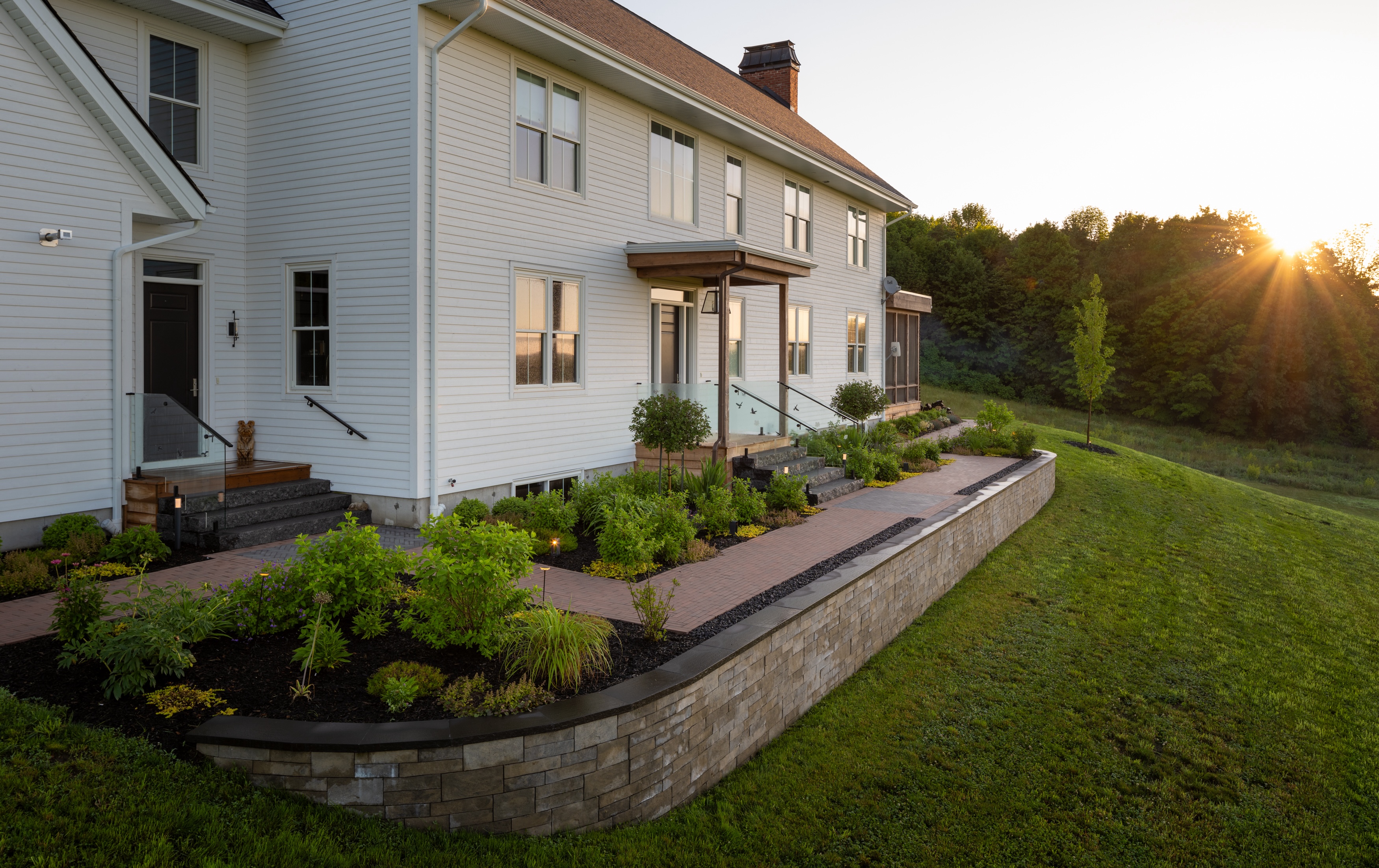
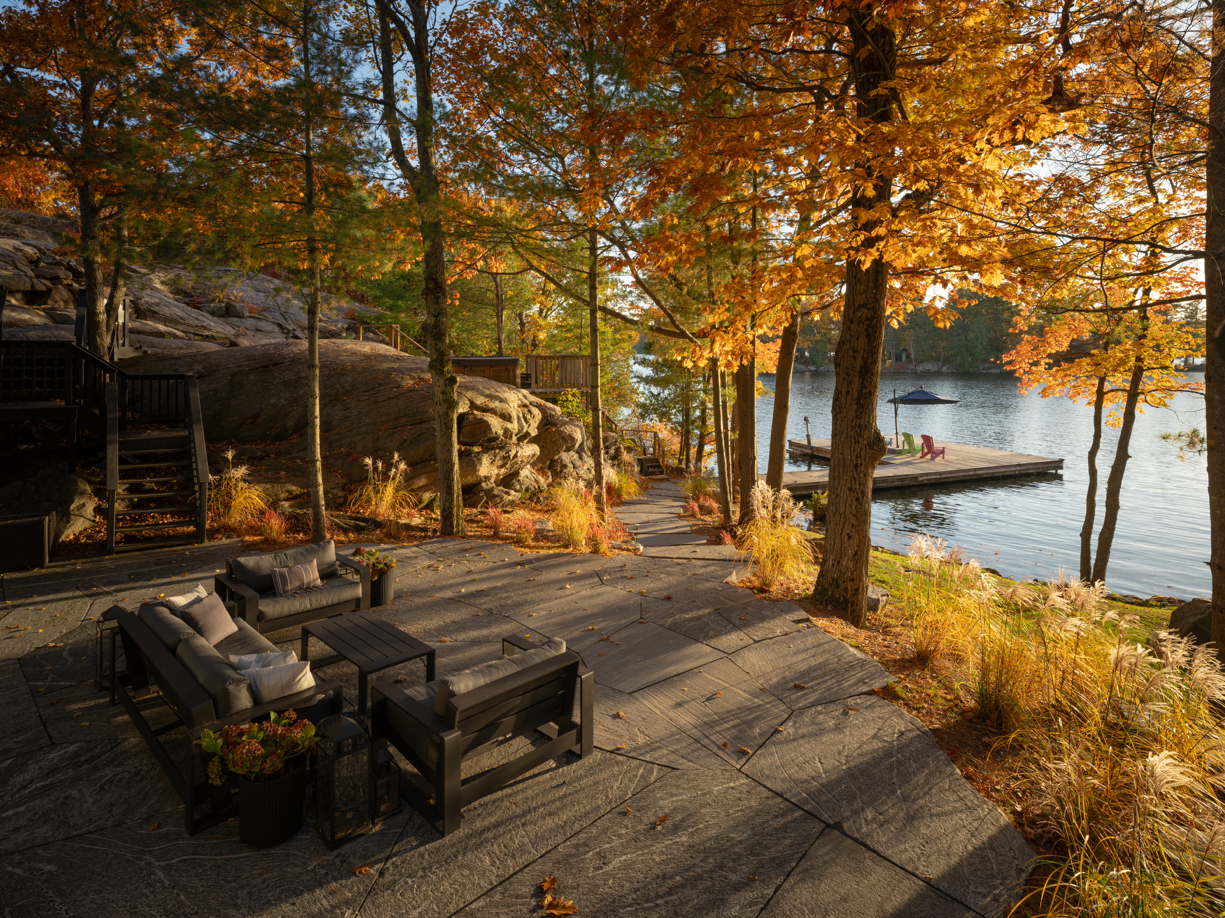
A well-built deck and surround tie the pool into the rest of the yard. Many homeowners plan the pool together with a patio, lighting and planting as one patio and outdoor living project.
Why Routine Pool Cleaning Matters More Than You Think
Even a well-built pool can quickly become a headache without regular care. Between changing water chemistry, seasonal debris, and wear on equipment, there's a lot that goes into keeping water clear and systems running smoothly.
A professional pool cleaning service typically includes:
- Balancing chemicals and testing pH levels
- Brushing walls, skimming surfaces, and vacuuming floors
- Inspecting pumps, filters, and heaters
- Clearing out skimmer and pump baskets
These regular check-ins help prevent algae buildup, cloudy water, and costly repairs. In Ontario, the busiest times are hot spells in July and August, when algae grows fastest, and the heavy leaf drop of early fall before the pool is closed.
For homeowners who prefer to outsource maintenance, working with a trusted pool cleaning company is a simple way to protect your investment and keep your pool ready to enjoy.
Opening and closing a pool in Ontario
Most pools in Simcoe County open in mid to late May and close in September or early October. Opening means removing the cover, reconnecting equipment, topping up and shocking the water, and checking for winter damage. Closing means lowering the water level below the skimmer, blowing out and plugging the lines, adding winter chemicals, draining the pump, filter and heater, and fitting a winter or safety cover. A missed step in closing is the most common cause of cracked pipes and equipment in spring.
Should You DIY or Hire Help?
Some pool owners enjoy doing the basics themselves: testing the water, running the filter, brushing down the walls. But even if you're comfortable with weekly upkeep, many owners still book a professional for opening, closing and periodic system checks.
Here's why:
- Hidden issues like clogged lines or worn seals aren't easy to spot
- Misbalanced water can corrode surfaces or damage equipment
- A neglected pool can turn green in a matter of days
Ultimately, the right mix of DIY and professional support depends on your time, comfort level, and the complexity of your setup.
Planning a 2027 pool installation
If you want to swim in a new pool in 2027, the planning starts this winter. Excavation can only begin once the frost is out and the ground has dried, which around Midland and Penetanguishene usually means late April or May, and pool builders' spring schedules fill early. Design, quotes and permits done over the winter put your project near the start of that line, with the pool, fence and deck finished in time for summer.
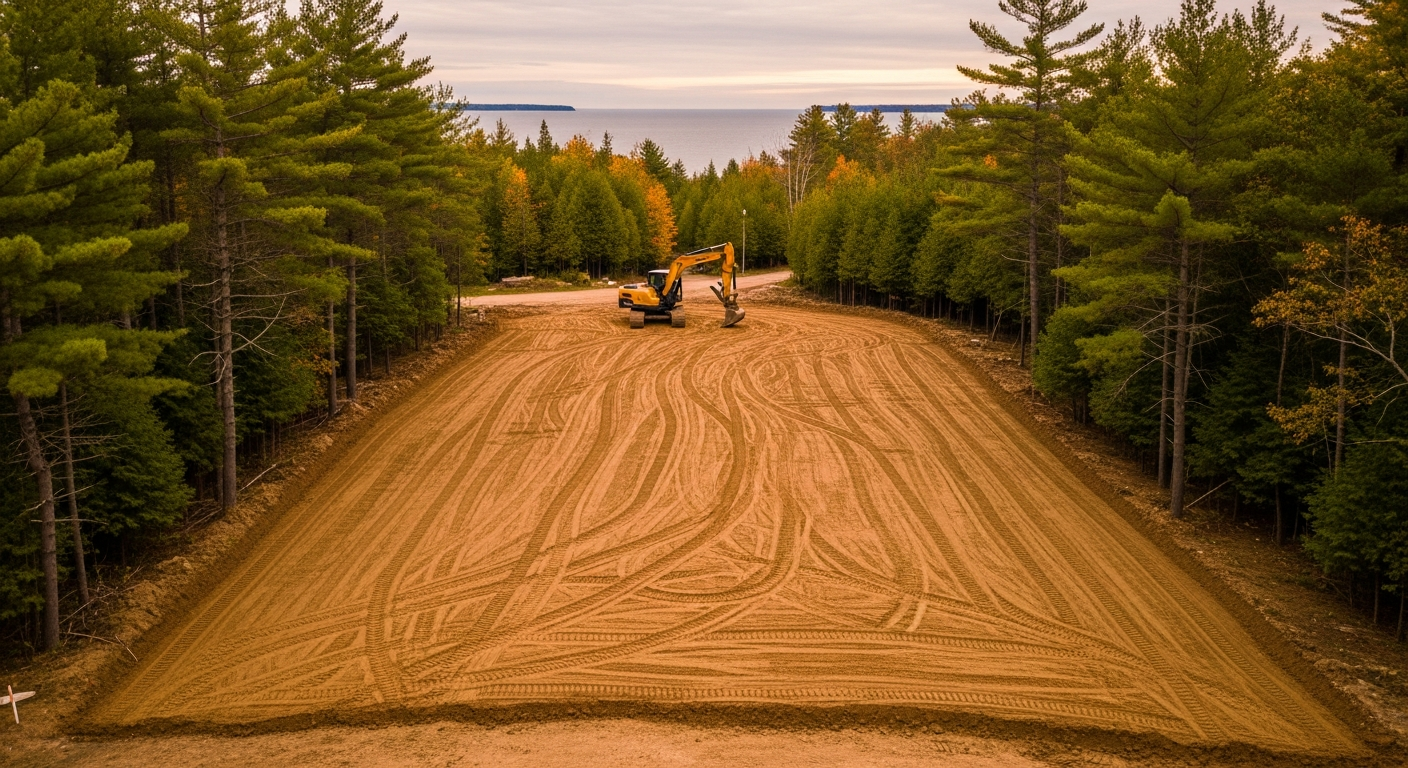
Use the off-season to choose the pool type and size, decide where it will sit relative to the house, property lines, septic system and overhead wires, and plan the deck, fence and equipment pad together. Access matters too: excavators, dump trucks and, for fibreglass, a crane need a clear route into the yard.
- Choose fibreglass, vinyl or concrete based on budget, shape and timeline.
- Apply for the pool enclosure permit and any building or electrical permits before spring.
- Plan the deck, fence and landscaping with the pool, not after.
- Book opening and maintenance service for the first season.
Frequently asked questions
Do I need a permit to install a pool in Midland?
Yes. Midland's Pool Enclosure By-law requires a pool enclosure permit before constructing a pool that can hold more than 0.6 m of water, and the pool cannot be filled until the enclosure is inspected and approved. Decks and electrical work may need their own permits.
How high does a pool fence need to be in Midland?
At least 1.2 m (4 ft), with no openings larger than 38 mm, no more than 100 mm of clearance underneath, and self-closing, self-latching, lockable gates.
When is the best time to install a pool in Ontario?
Construction usually runs from late spring through fall, once the ground has thawed and dried. Booking design and permits over the winter gives the best chance of a pool that is ready for the same summer.
When should I open and close my pool?
In Simcoe County, most pools open in mid to late May and close in September or early October, before overnight freezes. Close the pool before temperatures drop below freezing to protect the plumbing.
Bringing It All Together
Owning a pool should feel like an upgrade, not another chore on your list. With the right team handling installation and routine maintenance, you get the enjoyment of a backyard pool without the stress.
Planning a new pool? Start with FortyFive Pools to design and build a space that fits your life, your property, and your budget.
Already have a pool? Consider partnering with a pool cleaning company to keep things running smoothly through the season.
Your pool is a big investment. Treat it like one, and enjoy every minute you spend in it.
Planning a project this season?
We’ll walk the site, scope it properly and give you a straight price.
Mark and Matt are amazing. Not only do they do high-quality work, but they are also collaborative every step of the way. They are also great at problem-solving for unforeseen issues, or if you are just stuck on what to do in a certain area. I highly recommend Forty-Five Scapes for your landscaping needs.
Frequently asked questions