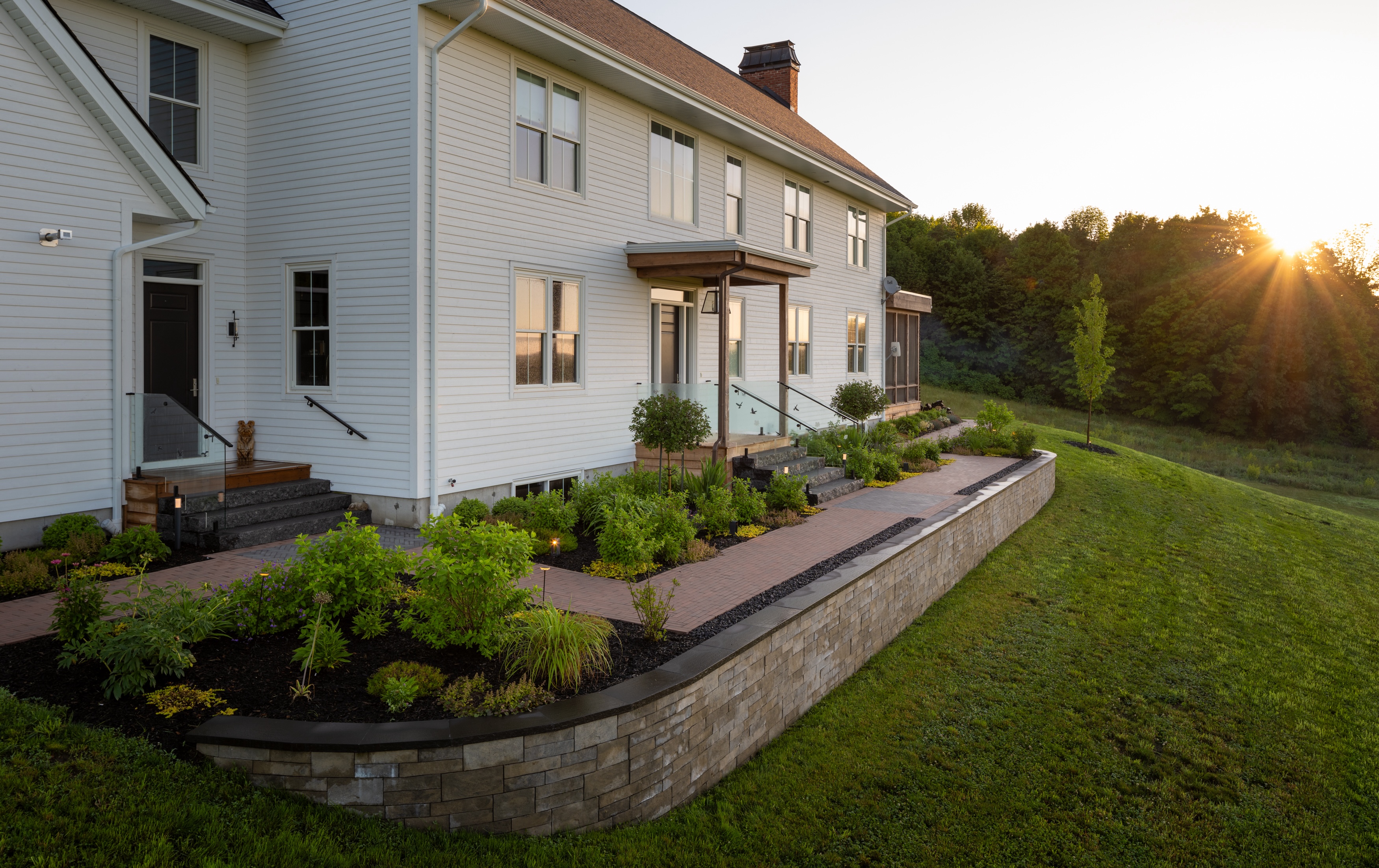
Forty Five Scapes, Morden Landscaping, Roundtree Property Maintenance and Husky Property Maintenance all build stone steps and walkways around Midland. Whichever you hire, ask for 100–150 mm of compacted granular base, a drainage plan and the joint method in writing. Book the design over the winter so work can start once the ground thaws in late April or May.
Key takeaways
Four established companies build stone steps and walkways in and around Midland: Forty Five Scapes, Morden Landscaping, Roundtree Property Maintenance and Husky Property Maintenance. Each one builds natural stone or interlock paths and steps across North Simcoe. Good stonework here depends less on the stone than on what is under it: a compacted granular base, a grade that sheds water, and joints that can handle freeze and thaw. The comparison below covers what each company offers and where it works, followed by how to choose stone, what installation involves and how to plan a 2027 project.
| Company | What Stands Out | Ideal For | Key Services | Coverage | Rating |
|---|---|---|---|---|---|
| Forty Five Scapes | Custom stone steps and walkways designed to integrate with slope, drainage, lighting and overall landscape flow | Homeowners seeking fully custom designs that tie together stone, lighting and landscape | Stone step design and installation, walkway construction, pathway lighting, grading | Midland, Penetanguishene, Tiny Township and surrounding areas | ⭐⭐⭐⭐⭐ |
| Morden Landscaping | 70+ years of precision stonework; builds natural stone steps, walkways, retaining walls and armour stone accents | Homeowners wanting heritage craftsmanship and stonework built to last generations | Natural stone steps, walkways, retaining walls, armour stone, flagstone | Midland, Muskoka and Georgian Bay | ⭐⭐⭐⭐⭐ |
| Roundtree Property Maintenance | Interlock pathways, armour stone steps and full hardscaping alongside regular property maintenance | Homeowners wanting one contractor for walkway installation and year-round property care | Interlock pathways, armour stone steps, hardscaping, seasonal maintenance | Midland and surrounding communities | ⭐⭐⭐⭐ |
| Husky Property Maintenance | Specializes in natural stone pathways tailored to each property's architecture; serves a wide geographic area | Homeowners wanting timeless natural stone paths that age gracefully over time | Natural stone pathways, walkway replacement, pathway design, hardscaping | Midland, Penetanguishene, Collingwood, Orillia, Barrie, Bracebridge and Muskoka | ⭐⭐⭐⭐ |
Forty Five Scapes
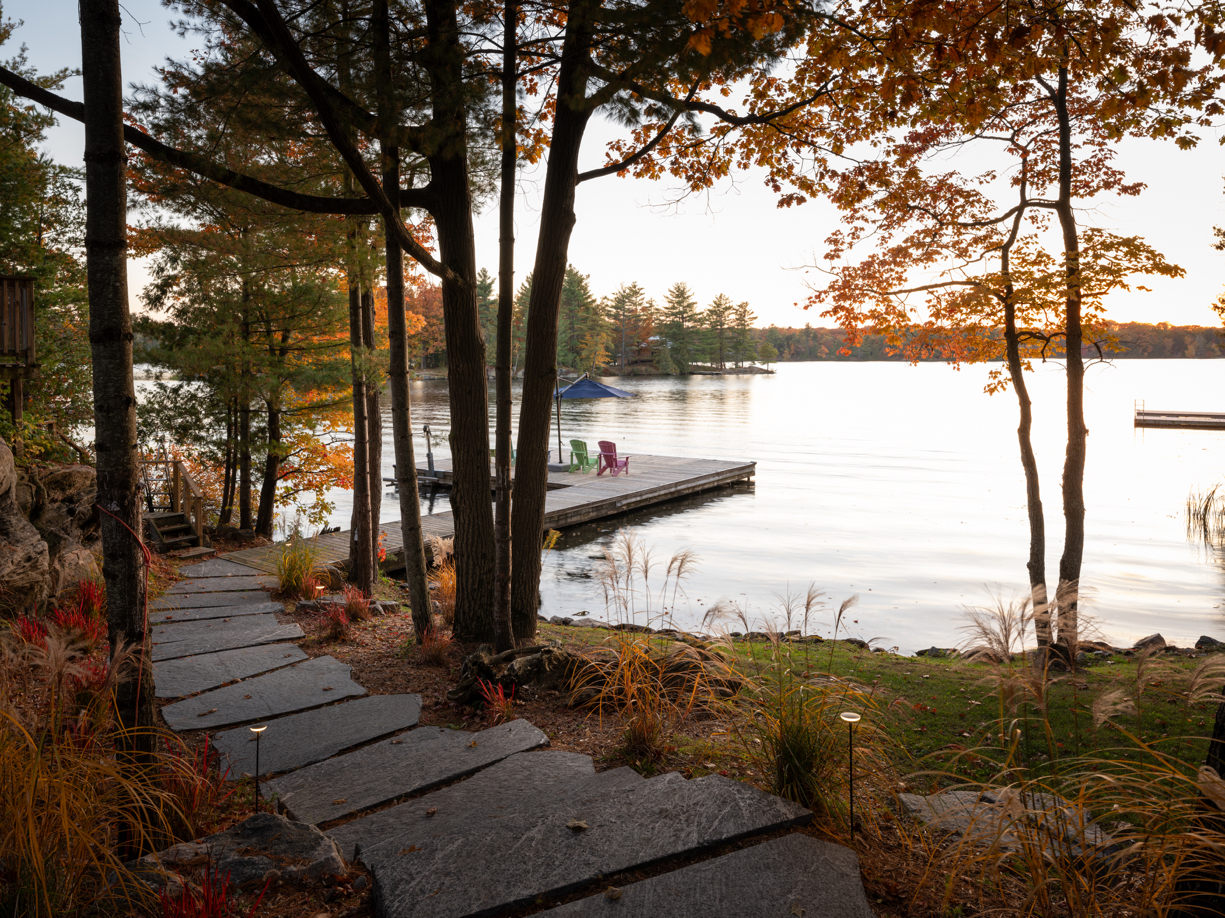
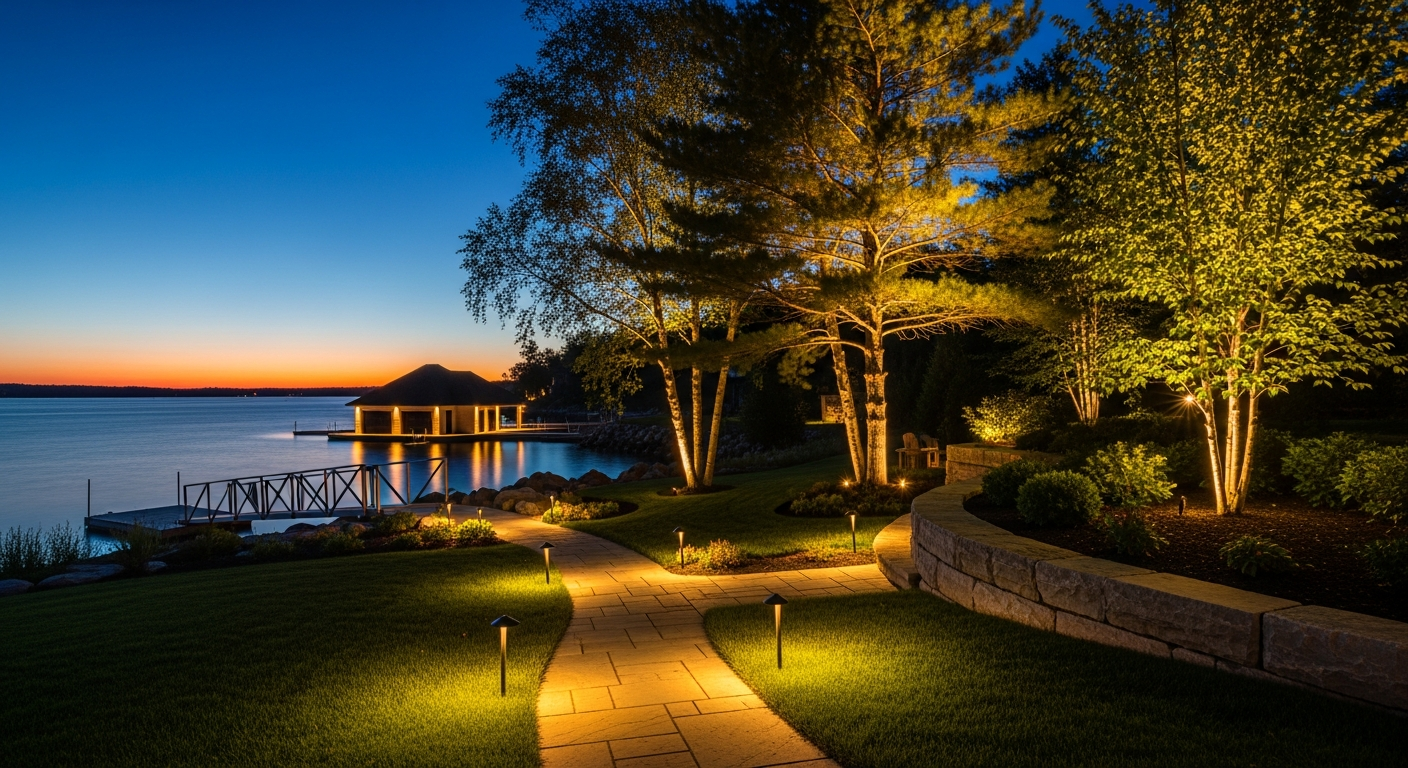
Forty Five Scapes designs and constructs custom stone steps and walkways that enhance both the flow and beauty of outdoor spaces. The team studies slope, drainage and texture to ensure each step feels stable and every path fits naturally into the landscape. Lighting can be integrated to highlight garden features and guide guests safely at night. Each project creates a smooth transition between patios, gardens and entryways.
Morden Landscaping
With over 70 years of experience, Morden Landscaping is known for its precision stonework and lasting craftsmanship (mordenlandscaping.com). Their team builds natural stone steps, walkways, retaining walls and armour stone accents that complement the surrounding environment. Homeowners across Midland, Muskoka and Georgian Bay choose Morden for projects that combine aesthetic detail with structural integrity.
Roundtree Property Maintenance
Roundtree Property Maintenance offers interlock pathways, armour stone steps and general hardscaping alongside regular property maintenance (roundtreelandscapingandsnowremoval.ca). Their broad service range allows clients to manage seasonal upkeep and new installations through a single contractor—ideal for homeowners wanting convenience without compromising on build quality.
Husky Property Maintenance
Husky Property Maintenance specializes in crafting natural stone pathways that bring warmth and character to outdoor spaces (huskypropertymaintenance.com). They replace existing walkways or design new routes that reflect each property's architecture and layout. Husky serves communities across Midland, Penetanguishene, Collingwood, Orillia, Barrie, Bracebridge and Muskoka, offering durable paths that age gracefully over time.
Final Take
Stone steps and walkways do more than connect spaces—they define how a property feels.
- Forty Five Scapes delivers fully custom designs that tie lighting, grading and material selection into one cohesive plan.
- Morden Landscaping brings heritage craftsmanship built to last generations.
- Roundtree Property Maintenance offers versatility with full property care.
- Husky Property Maintenance focuses on timeless, natural stone beauty.
Homeowners across Simcoe County and Muskoka can find skilled contractors who balance design, durability and craftsmanship in every project.
How to Choose the Right Stone for Steps and Walkways in Midland
Ontario's climate puts stone installations to the test every year. Midland and Simcoe County experience significant freeze-thaw cycles throughout winter and spring, which means not all stone materials perform equally over time. Choosing the wrong material can lead to cracking, heaving and costly repairs within just a few seasons. Here is a breakdown of the most common stone options and how they perform in the local climate:
- Natural Limestone: Widely used in the Georgian Bay and Muskoka region due to its regional abundance and neutral tone. Limestone is durable and absorbs less water than some alternatives, making it a solid performer through freeze-thaw cycles. It works well for both steps and walkways.
- Granite: One of the most durable stone options available. Granite resists weathering, scratching and staining better than softer stone types. It is a premium choice for high-traffic walkways and entrance steps where longevity is the priority.
- Flagstone: A popular choice for casual, naturalistic walkways. Flagstone creates a relaxed look that suits cottage-style properties. It requires proper base preparation and joint material to prevent shifting during frost cycles.
- Interlock Stone: Manufactured concrete pavers offer a consistent look and are easy to repair if individual units shift or crack. Interlock is a cost-effective and low-maintenance option, particularly well-suited to driveways and formal pathways.
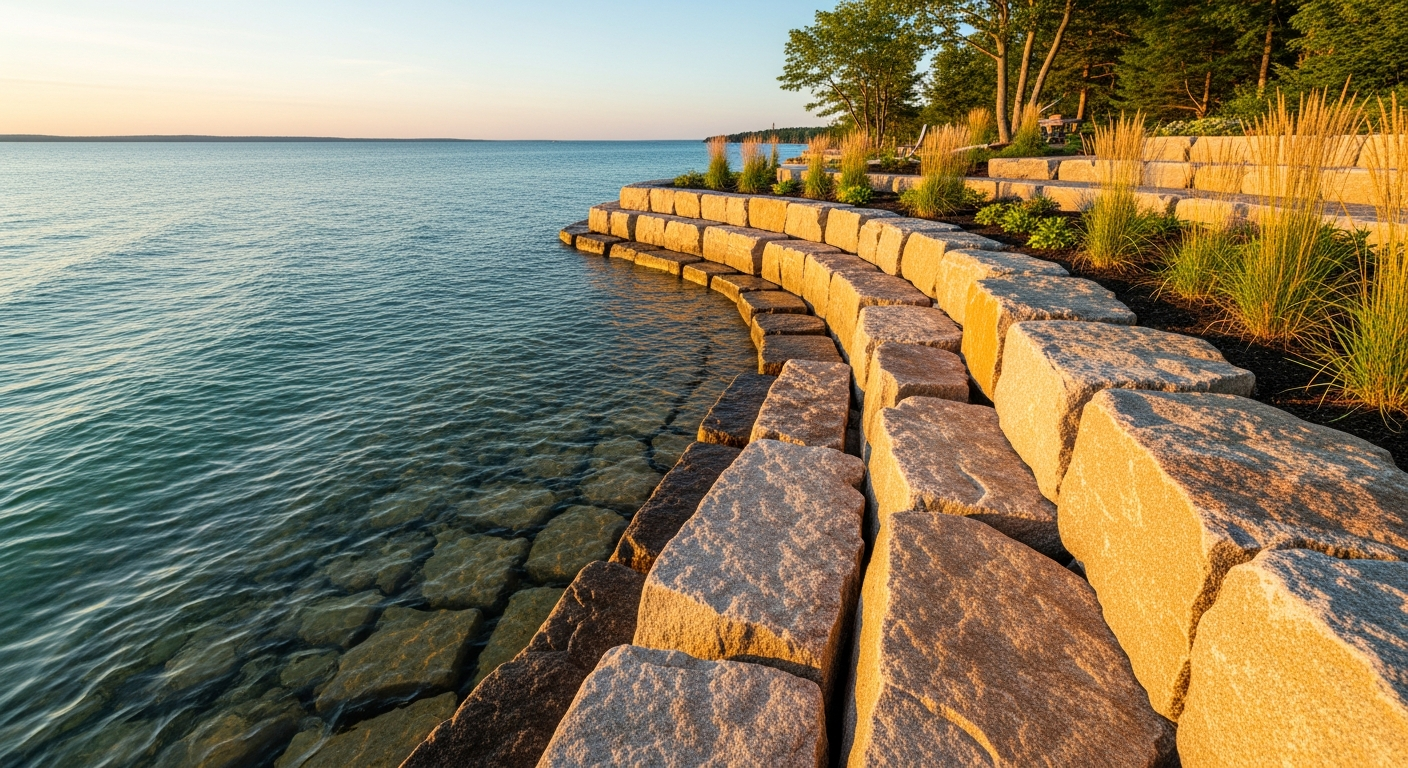
- Armour Stone: Large natural boulders used for rustic steps and retaining walls. Armour stone steps require minimal maintenance and blend naturally into wooded or waterfront settings. Commonly used on cottage properties throughout Georgian Bay and Muskoka.
A qualified contractor will assess your property's existing drainage, soil conditions and the intended use of the path before recommending the most appropriate material. Investing in the right stone up front reduces long-term maintenance costs and ensures the installation holds up through Midland's challenging seasonal conditions.
Field drawing 12 · Flagstone
Two ways to lay flagstone that lasts
Choose by how you use the space and how much frost movement you can live with.
Swipe to see the full drawing →
- Joints that move. Polymeric sand or fine stone in the joints lets each stone shift a little through freeze and thaw.
- Bedding layer. Screenings or bedding sand, about 25 mm, to seat irregular stone backs.
- Compacted granular base. Same base logic as interlock: 100–150 mm of compacted Granular A under a walk or patio.
- Mortar bed and joints. Stone is buttered and set in mortar. A cracked slab will crack the joints above it.
- Reinforced slab. A concrete slab with reinforcement carries the stone as one piece.
- Granular under the slab. Compacted, drained base so frost can't lift the slab.
Flagstone can be laid two ways. Dry-laid stone sits on about 25 mm of screenings or bedding sand over 100–150 mm of compacted Granular A, with polymeric sand or fine stone in the joints, so each piece can move slightly through freeze and thaw and be reset if it heaves. Mortared flagstone is set on a reinforced concrete slab. It looks more formal and keeps weeds out of the joints, but if the slab cracks, the joints above it crack too. For most garden paths and flagstone walkways around Midland, dry-laid is the more forgiving choice. Mortared work suits entrance landings and steps where a rigid, level surface matters more. Our flagstone installation guide walks through both methods.
What to Expect During Stone Step and Walkway Installation
Understanding the installation process helps homeowners plan timelines, protect their property during construction and set realistic expectations for the finished result. Here is a general overview of how professional stone step and walkway projects are completed in the Midland and Simcoe County area:
- Site Assessment and Design: The contractor evaluates the slope, soil type, drainage patterns and existing landscape features. This informs material selection, step dimensions, path routing and any grading adjustments needed before installation begins.
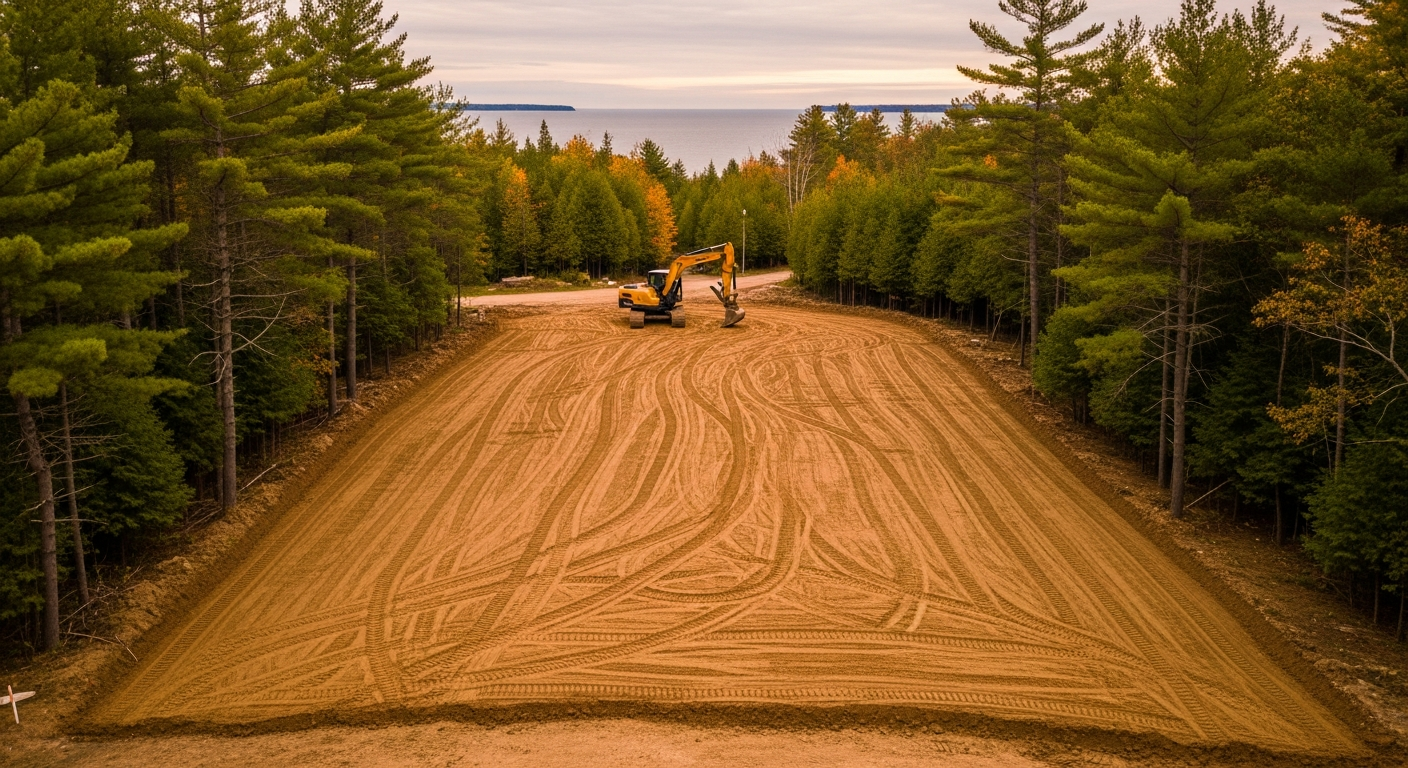
- Excavation and Base Preparation: Proper base preparation is the most critical factor in a long-lasting stone installation. The contractor excavates to the appropriate depth, removes organic material, compacts the subgrade and installs a gravel base layer to ensure drainage and prevent frost heave.
- Laying the Stone: Each stone, paver or step unit is set carefully according to the design plan. Gaps between stones may be filled with polymeric sand, mortar or smaller stones depending on the material and style chosen.
- Grading and Drainage Integration: Proper slope and drainage channels are built in during installation to prevent water from pooling on the path surface or directing runoff toward the foundation.
- Lighting Installation: If pathway lighting is included in the project, conduit and wiring are installed before the stone is laid. Low-voltage landscape lighting integrated into steps and path edges can be added at this stage.
- Cleanup and Final Inspection: The contractor removes excavated material, cleans excess stone dust from surfaces and walks through the completed installation with the homeowner to confirm satisfaction before closing out the project.
For a walkway, that base is typically 100–150 mm of compacted granular material, compacted in lifts, with a bedding layer of about 25 mm on top. Paths that carry vehicles need more. Most residential stone step and walkway projects in Midland take between one and five days depending on scope. Contractors typically require dry conditions for optimal installation, particularly when using polymeric sand or mortar products. Asking about seasonal scheduling and preferred installation windows will help ensure the project proceeds on time.
Natural stone steps or interlock steps?
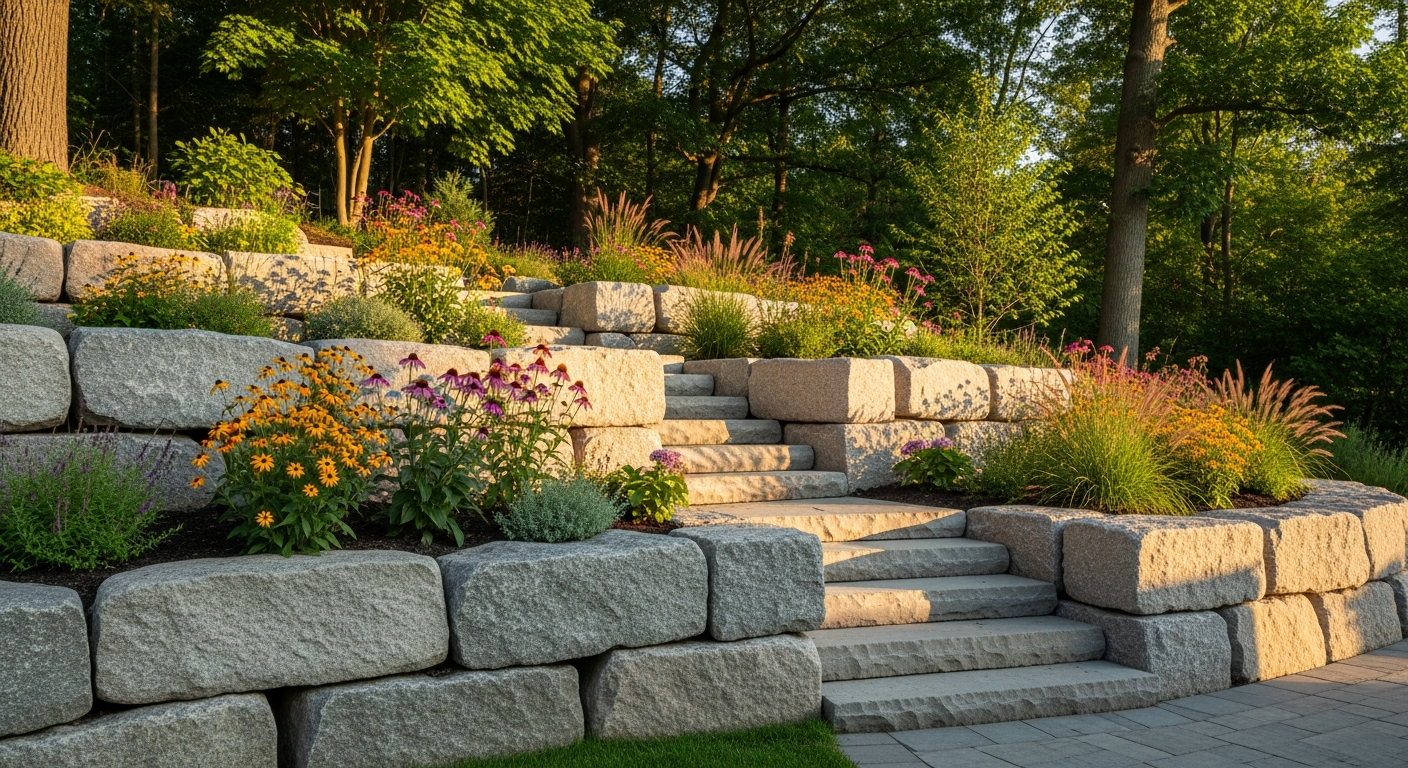
Natural stone slab steps and armour stone steps are cut or split from single pieces of rock, so each tread is one heavy unit that resists frost movement well and suits sloped, wooded and waterfront lots. Interlock and precast step units cost less per step, come in consistent sizes and are easier to match to a paver walkway. Whichever you choose, keep every riser the same height and every tread the same depth along a flight. Uneven steps cause trips on landscape stairs, especially at night or on wet stone. Adding low-voltage step lighting during construction is far easier than retrofitting it later.
What to ask a stone step and walkway contractor
Quotes for the same walkway can vary widely, and the difference is usually in the parts you cannot see once the job is done. Ask each contractor to put these points in writing:
- Base depth and material. How many millimetres of compacted granular will go under the stone, and how it will be compacted.
- Drainage plan. Which way the path and steps will slope, and where the water goes.
- Joint material. Polymeric sand, fine stone or mortar, and why that suits your site.
- Insurance and WSIB. Proof of liability insurance and a WSIB clearance certificate for any crew working on your property.
- Warranty. What is covered if stones settle or heave in the first few winters.
A contractor who can explain these choices clearly is more likely to build a path that still sits level in five years.
Planning a 2027 stone step and walkway project
If you want new stone steps or a walkway in place for summer 2027, the useful work happens this winter. Stone can only go in once the ground has thawed and dried enough to excavate and compact, which in Simcoe County usually means late April or May. Contractors fill their spring schedules over the winter, so a site visit and design in January or February puts your project near the front of the line instead of in the midsummer backlog.
Use the winter to decide how the path will be used. A daily route from the driveway to the front door needs a firm, even surface and lighting. A garden path down to the dock can be looser and more natural. Pick your stone with freeze and thaw in mind, and decide early whether steps will be dry-laid or mortared.
- Check approvals. Freestanding landscape steps and walkways usually do not need a building permit, but stairs attached to a house or deck, retaining walls over 1 m beside public areas, and work near the shoreline can. Confirm with the Town of Midland or your township before spring.
- Plan the wiring now. Conduit for path lights goes in before the stone does.
- Get dated, itemized quotes. Ask for base depth, stone type and drainage to be listed so quotes are comparable.
Frequently asked questions
Do I need a permit for stone steps or a walkway in Midland?
Usually not for freestanding landscape steps and walkways on your own lot. A permit can come into play when steps form part of a deck or attach to the house, when the job includes a retaining wall over 1 m high next to public property or a building access, or when the work is near a regulated shoreline. Call the Town of Midland building department, or your township office in Tiny or Tay, to confirm before you book.
How deep should the base be under a stone walkway?
For a pedestrian walkway, plan on 100–150 mm of compacted granular base, such as Granular A, with about 25 mm of bedding on top. Wet or clay soils and paths that will carry vehicles need a deeper base. A thin base is the usual reason walkways heave and settle after a few winters.
What is the best stone for steps in a freeze-thaw climate?
Dense natural stone such as granite, armour stone and good-quality limestone handles freeze and thaw well, as do solid precast step units. The base and drainage matter as much as the stone: any stone will move if water collects underneath it and freezes.
How long does a stone walkway installation take?
Most residential walkways and short flights of steps take one to five days once work starts, depending on length, access and whether the site needs grading. Dry weather helps, especially for polymeric sand and mortar.
When is the best time to install stone steps and walkways?
Late spring through early fall, once the ground has thawed and dried. Around Midland, that window usually opens in late April or May. Booking a design over the winter gives you the best chance of an early-season start.
Planning a project this season?
We’ll walk the site, scope it properly and give you a straight price.
They showed up when they said. They did a fantastic job on our stairs, truly a work of art. The retaining wall and stone stairs add value to the property. Look forward to working with them in the spring for some additional jobs. Would definitely recommend.
Frequently asked questions