The right deck material depends on how much upkeep you will accept and your budget. Pressure-treated pine is cheapest but needs the most care, cedar needs sealing every few years, composite and PVC cost more but need little beyond cleaning, and ipe and aluminum cost the most and last the longest.
Key takeaways
The right deck material depends on how much upkeep you will accept and how much you want to spend up front. Pressure-treated pine costs the least but needs the most care. Cedar looks and smells like a cottage deck and needs sealing every few years. Composite and PVC boards cost more but need little beyond cleaning. Tropical hardwoods like ipe and aluminum decking sit at the top of the price range and last the longest. Whatever you choose for the surface, the frame underneath is usually pressure-treated lumber, and it has to meet the Ontario Building Code.
This guide compares each option for Ontario's freeze-thaw winters and humid summers, and explains what to check before you build a deck.
The Role of Climate in Material Selection
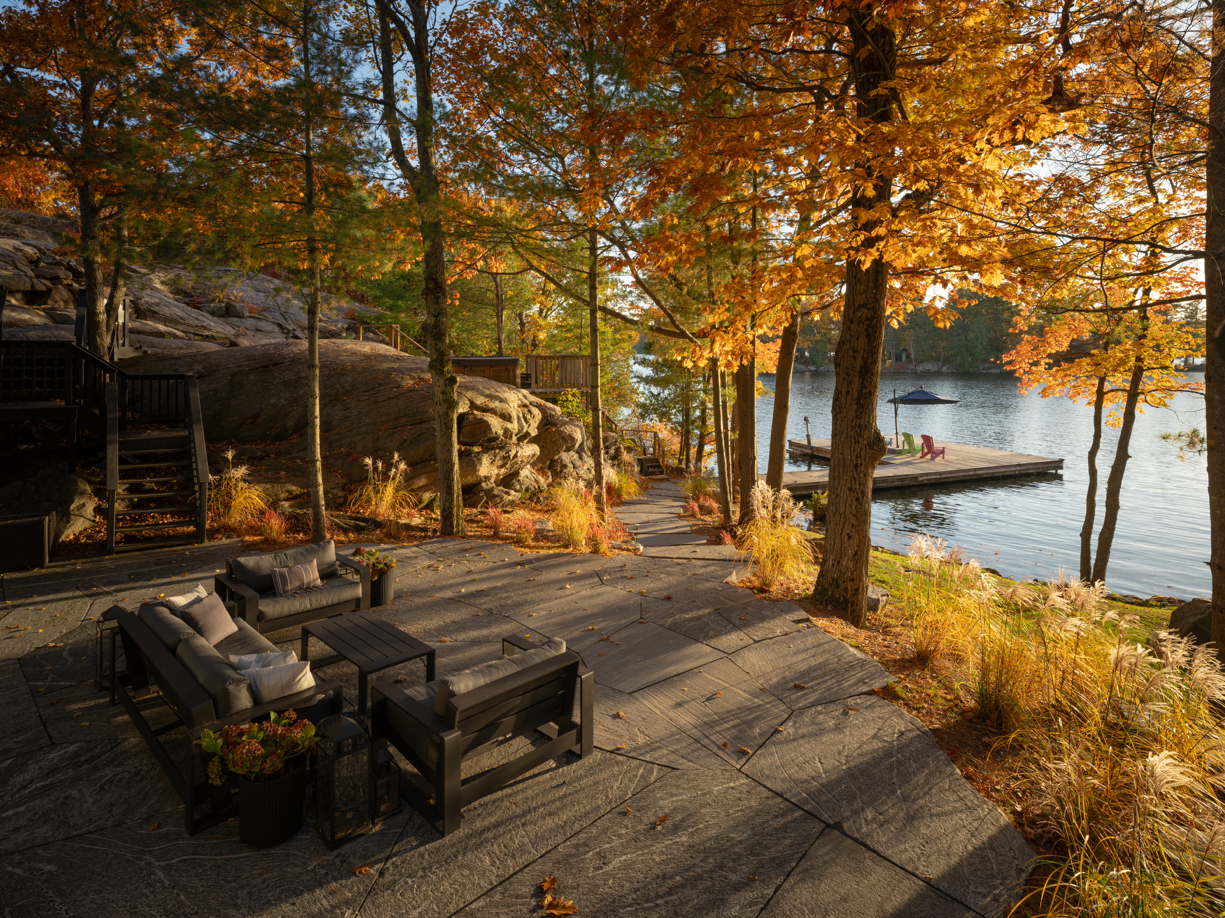
Climate plays a pivotal role in determining the longevity and maintenance needs of your deck. In Ontario, a deck has to handle freeze-thaw cycles, heavy snow sitting on it for months, summer UV and, near Georgian Bay and cottage lakes, constant moisture. Wood that stays damp in shade rots faster, and dark composite boards in full sun can get hot underfoot. Match the material to where the deck sits: shaded, damp spots favour composite, PVC or well-maintained cedar, while sunny decks do better in lighter colours.
Understanding Your Budget
Budget is often the first consideration in any home improvement project. Deck materials vary significantly in price, from affordable pressure-treated woods to premium composites and metals. As a rough order from least to most expensive: pressure-treated pine, cedar, composite, PVC, then tropical hardwood and aluminum. Up-front price is only part of the cost. A cheaper wood deck needs cleaning and staining every few years, while composite and PVC trade a higher purchase price for less ongoing work. Get quotes that list the decking, railing and framing separately so you can compare like for like.
Types of Deck Materials
Traditional Wood Decking
Wood decking holds a timeless appeal, offering warmth and natural beauty. Three wood options come up most in Ontario:
- Pressure-treated pine: the most affordable. It is treated with copper-based preservatives to resist rot and insects, and it is the standard for deck framing. Boards can check, twist and grey, so plan to stain or seal them, and treat any cut ends.
- Cedar: naturally resistant to rot and insects, lighter and more stable than pine, and the traditional choice for cottages. It needs a stain or sealer every few years to keep its colour. See our cedar deck builder page.
- Tropical hardwoods such as ipe: very dense and long-lasting, with a rich colour, but heavy, hard to cut and usually pre-drilled for fastening. See ipe decking.
Redwood is popular in the United States but is rarely stocked in Ontario. Cedar fills that role here.
Composite Decking
Composite decking has risen in popularity for its minimal maintenance and consistent appearance. Composite boards are made from wood fibre and plastic. Most current products are capped, meaning a protective polymer shell wraps the core to resist stains, fading and moisture. They don't need staining and won't splinter. The trade-offs are cost, heat in direct sun on darker colours, and the need to follow the manufacturer's rules for joist spacing, gapping and fasteners, or the warranty may not apply. Diagonal board layouts usually need closer joist spacing.
PVC and Plastic Decking
PVC decking contains no wood. It resists rot, moisture and mould, which suits wet sites, docks and shaded lakeside decks, and it is lighter than composite. It needs little upkeep beyond cleaning. It usually costs more than composite, and it expands and contracts with temperature, so installers have to follow the manufacturer's gapping rules closely.
Metal Decking Options
Though less common, metal decking provides a unique and durable alternative. Aluminum decking boards don't rot, warp or burn, and some systems interlock to shed water so the space under the deck stays dry. They are among the most expensive options and have a more modern, uniform look. Steel shows up mostly as framing on large or engineered decks rather than as the walking surface.
Choosing the Right Deck Materials
Selecting the right material for your deck involves more than just aesthetics. It's about matching your lifestyle, maintenance capacity, and long-term expectations with the right type of decking. Ask four questions. How much maintenance will you really do each year? How long do you plan to keep the property? Is the deck in sun, shade or near water? What look suits the house and setting? If you want low upkeep and plan to stay, composite or PVC usually makes sense. If you want real wood and don't mind a sealing routine, cedar is the classic choice. On a tight budget, pressure-treated pine with a good stain works well.
Installation and Maintenance Tips
Whether you're considering a DIY project or hiring professionals, understanding the installation and maintenance nuances of your chosen material is key. Whatever surface you choose, the structure underneath has to meet the Ontario Building Code, and most municipalities require a permit for raised or attached decks. The Town of Huntsville, for example, requires one unless the deck is no more than 24 inches above grade with no roof, or no larger than 10 m² and not attached to a building.
Field drawing 13 · Decks
The deck dimensions an inspector checks first
Ontario Building Code Part 9 numbers for a deck serving a house. Your municipality may add zoning setbacks.
Swipe to see the full drawing →
- Footings below frost. At least 1.2 m below finished grade, or bearing on sound bedrock. Low floating decks follow other rules.
- Guard height. 900 mm minimum if the deck is no more than 1.8 m above grade; 1070 mm above that.
- Openings under 100 mm. No gap a 100 mm sphere can pass, and nothing climbable between 140 mm and 900 mm.
- When a guard is required. Any open side more than 600 mm above the adjacent surface within 1.2 m.
- Stairs. Handrail required on stairs with more than three risers. Keep piers 5 m from a septic bed.
The inspector looks at footings at least 1.2 m below grade or on sound bedrock, guards on any side more than 600 mm above the ground (900 mm high up to 1.8 m above grade, 1070 mm above that), openings that stop a 100 mm sphere, and a handrail on stairs with more than three risers. For care, sweep debris from board gaps, wash composite and PVC once or twice a year, re-stain wood every few years, and use a plastic shovel in winter. Check the decking manufacturer's guidance on ice melt.
Making the Final Choice
With all factors considered, making the final choice on deck materials comes down to a balance of preferences, practicality, and budget. Narrow it to two materials, look at full-size samples in the spot where the deck will go, and compare written quotes that include framing, railing and stairs. If you are replacing an old deck, have the existing frame and footings checked before deciding to reuse them. Our deck replacement page explains what we look for.
Planning a 2027 deck: choosing materials early
If you want a new deck for the 2027 season, choose the material over the winter. Samples and quotes take time, and the material affects the framing design, so the drawings and permit application can't be finished until it is settled. Footings need thawed ground, which in Simcoe County usually means late April or May, and deck builders' spring schedules fill early.
Over the winter, decide on size, height and railing style as well as the boards, because height decides whether you need guards and, in many towns, a permit. If you are weighing composite against cedar, look at both in person in daylight. For waterfront and cottage lots, also check the shoreline setback and keep footings at least 5 m from any septic bed.
- Pick two materials and order samples.
- Get itemized quotes for decking, framing and railing.
- Apply for the permit before spring.
- Book the build for a May or June start.
Frequently asked questions
What is the best decking material for Ontario winters?
Composite and PVC handle freeze-thaw and snow with the least upkeep. Cedar also performs well if it is sealed regularly. Pressure-treated pine is the cheapest but needs the most maintenance to avoid checking and greying.
Is composite decking better than cedar?
It depends on what you value. Composite costs more up front and needs less maintenance. Cedar is real wood, costs less and suits cottage settings, but needs a stain or sealer every few years.
Do I need a permit to build a deck in Ontario?
Usually, for raised or attached decks. Rules vary by municipality. Huntsville, for example, exempts decks no more than 24 inches above grade with no roof, and detached decks no larger than 10 m². Check with your local building department.
What do deck builders use for framing?
Most residential decks in Ontario are framed with pressure-treated lumber, even when the surface is composite or PVC. The footings must go at least 1.2 m below grade or bear on sound bedrock under the Ontario Building Code.
Before You Build
Choosing the right deck materials is a significant decision that affects the longevity, maintenance, and enjoyment of your outdoor space. By considering the factors outlined in this guide, you can pick a deck that suits how you live and how much care you want to give it. For builders in cottage country, see our guide to the best deck builders in Muskoka and Georgian Bay.
Planning a project this season?
We’ll walk the site, scope it properly and give you a straight price.
We hired Mark Kennedy - Forty-Five Scapes last summer to build our new deck. From posts to pergola, Mark was knowledgable in all aspects of the build and offered his expertise in all areas and offered solutions in some hard to solve situations. Mark arrived each day early and ready to work, and always with a friendliness about him. We love our new deck and are so glad we choose Mark to do the job, we highly recommend Forty-Five Scapes.
Frequently asked questions