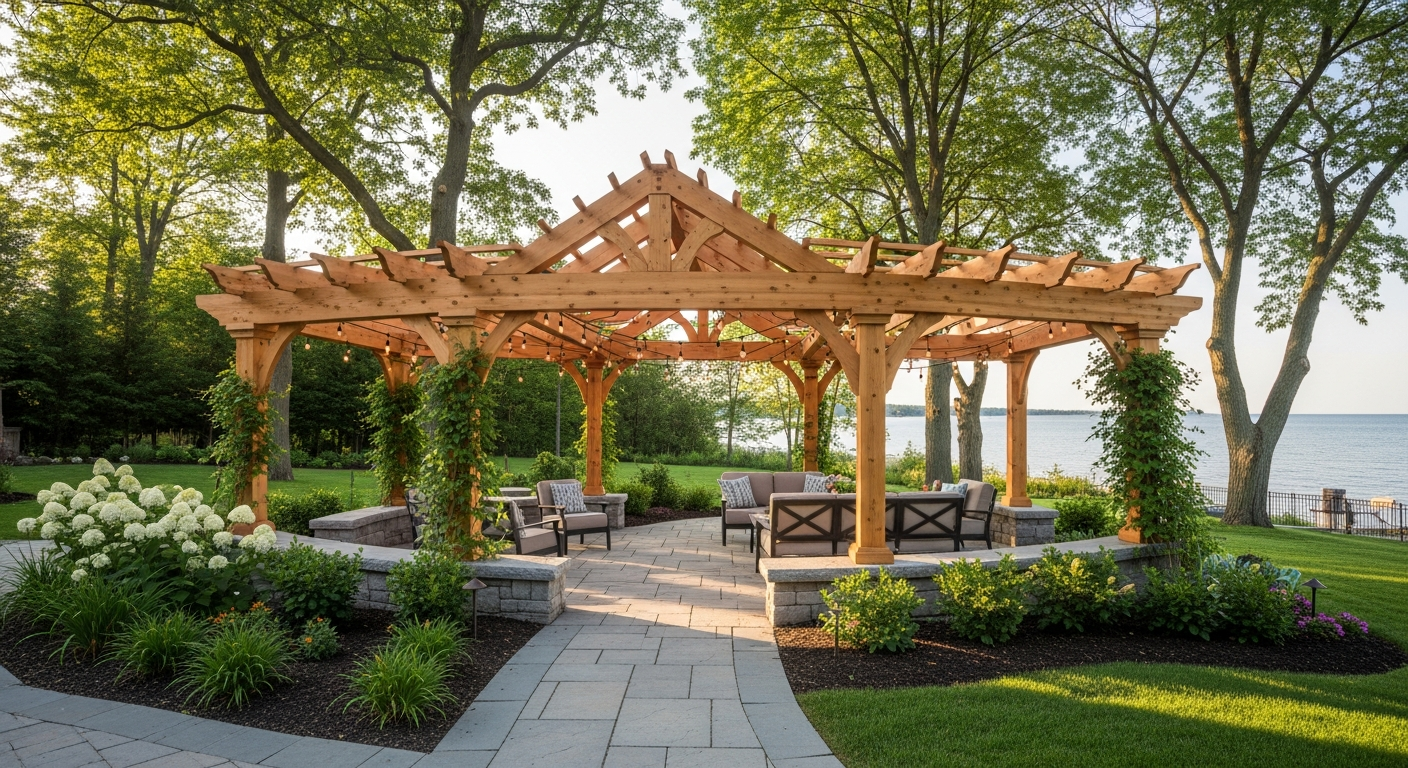
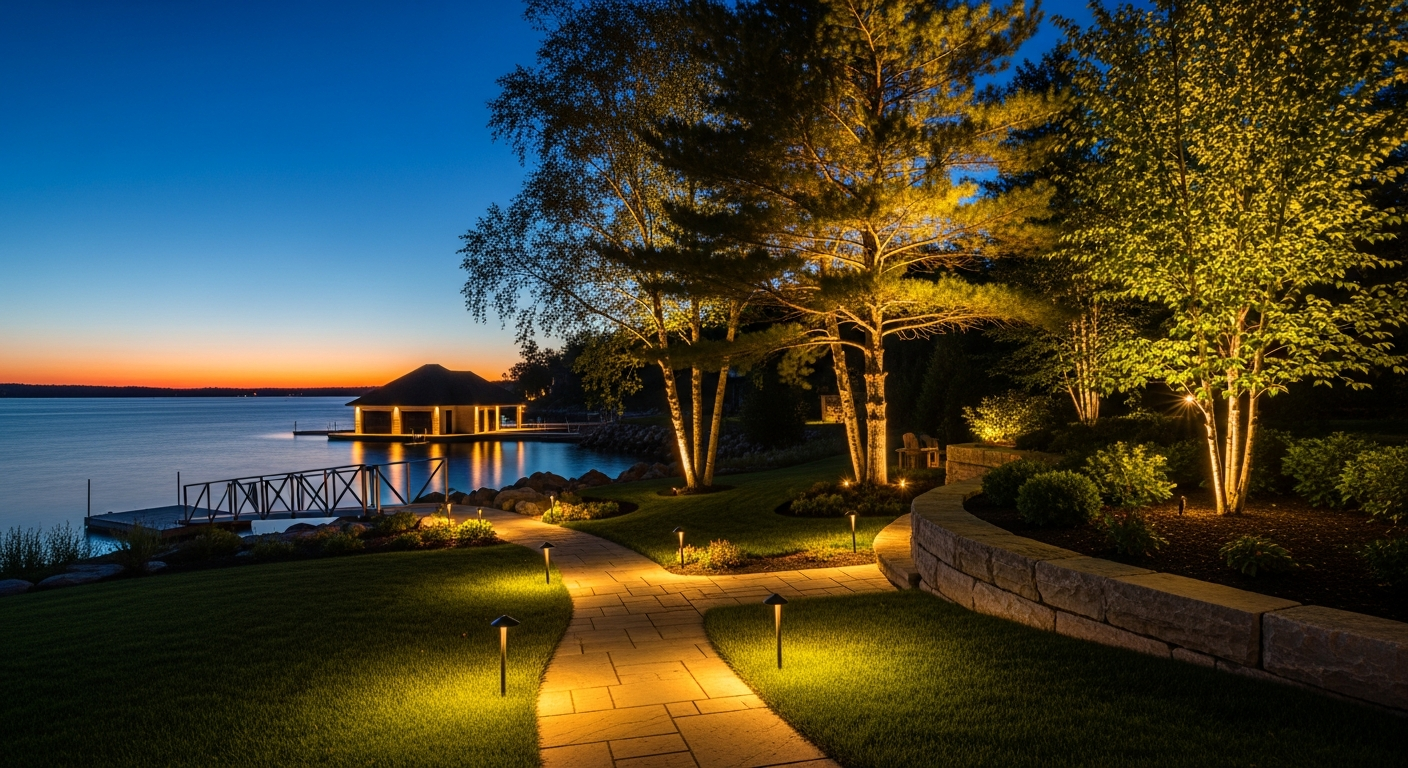
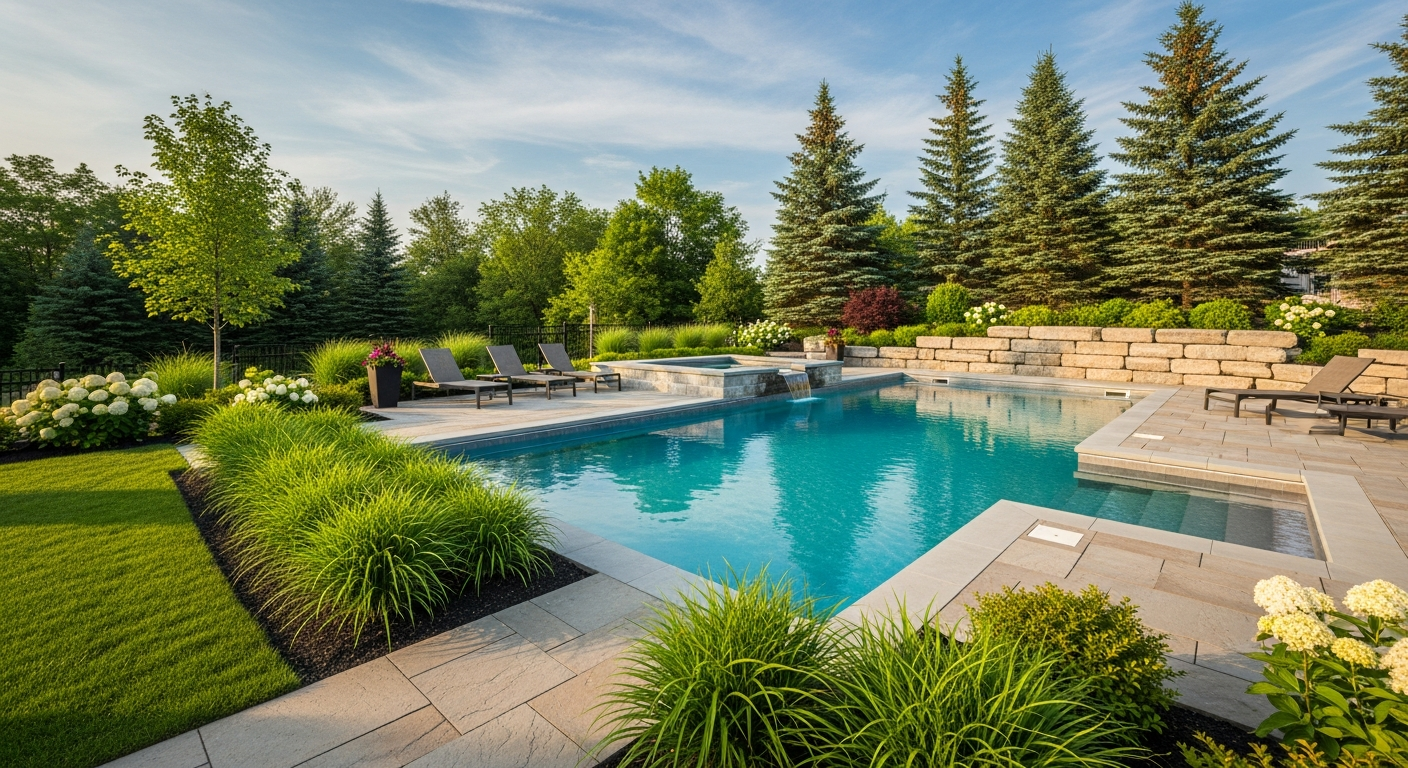
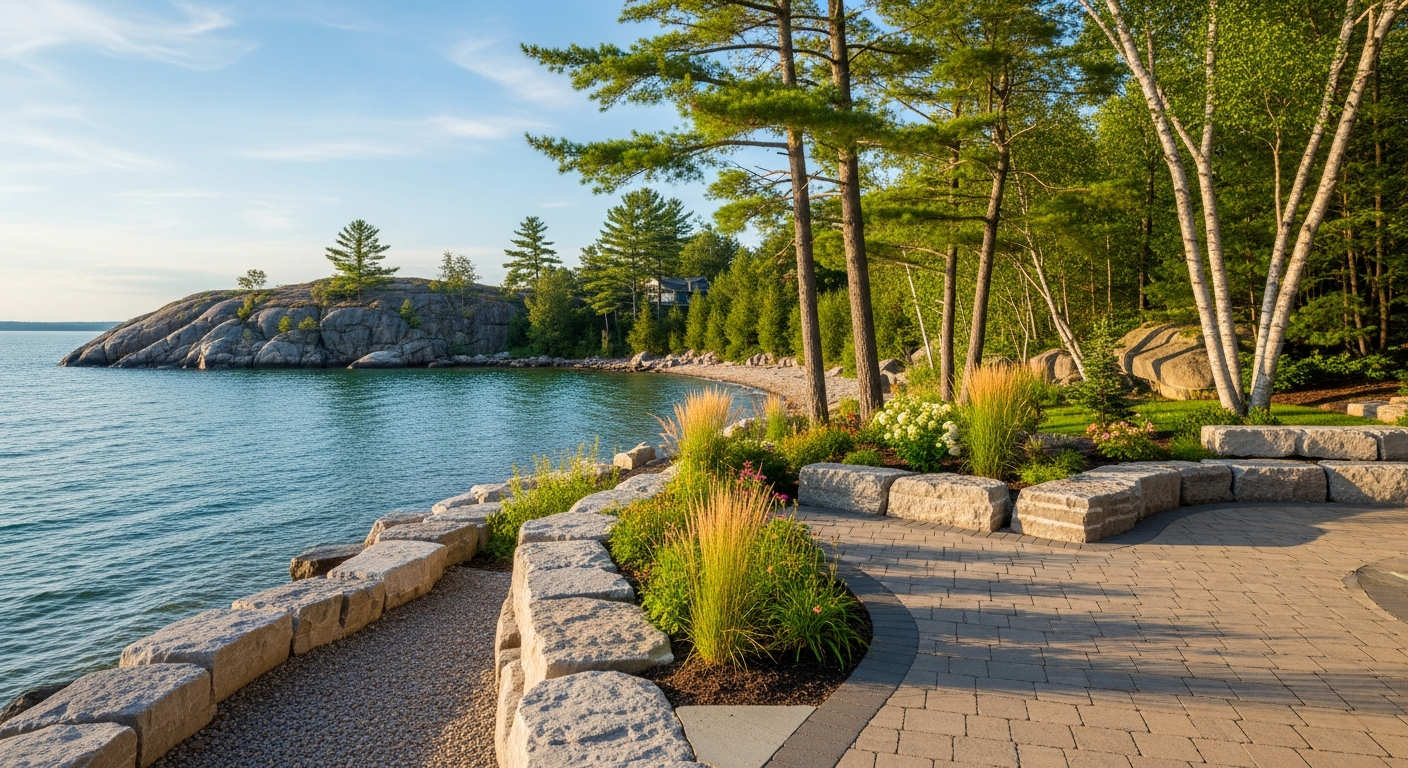
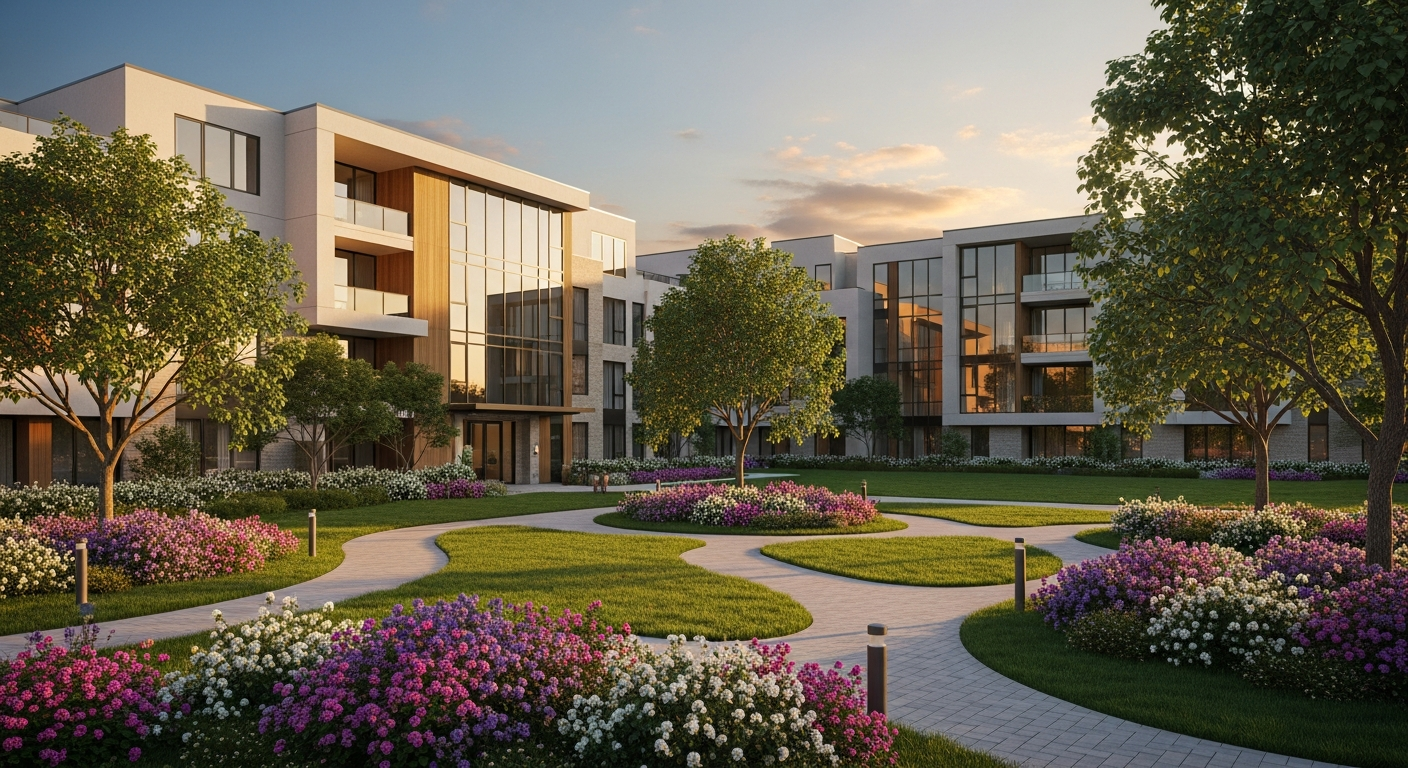
The landscape projects that tend to pay back best in Midland protect the property first: grading and drainage that move water away from the house, patios and walks on a properly compacted base, and well-built retaining walls. After that, outdoor living space, lighting, trees and low-maintenance native planting add the most day-to-day value. Fix water problems before spending on decorative features.
Key takeaways
The landscape projects that tend to pay back best in Midland are the ones that protect the property first: grading and drainage that move water away from the house, hard surfaces built on a proper base, and retaining walls that hold. After that, outdoor living space, lighting, trees and low-maintenance planting add the most day-to-day value. Spending on looks before fixing water problems is a common way to waste a landscaping budget here.
Introduction to Midland's Natural Beauty
Midland, with its waterfronts, trails and Georgian Bay views, gives homeowners and businesses plenty to work with. Good landscaping takes advantage of that setting while standing up to long winters, spring melt and the occasional summer dry spell.
Why Invest in Landscaping in Midland?
Landscaping goes beyond looks. Done well, it protects the house from water, makes the yard usable for more of the year and gives buyers a better first impression. How much any project adds to resale value depends on the house and the market, so judge each one on what it does for you while you live there. Well-planned projects can also reduce runoff, water use and mowing.
Top Landscape Investments to Consider
Grading and drainage
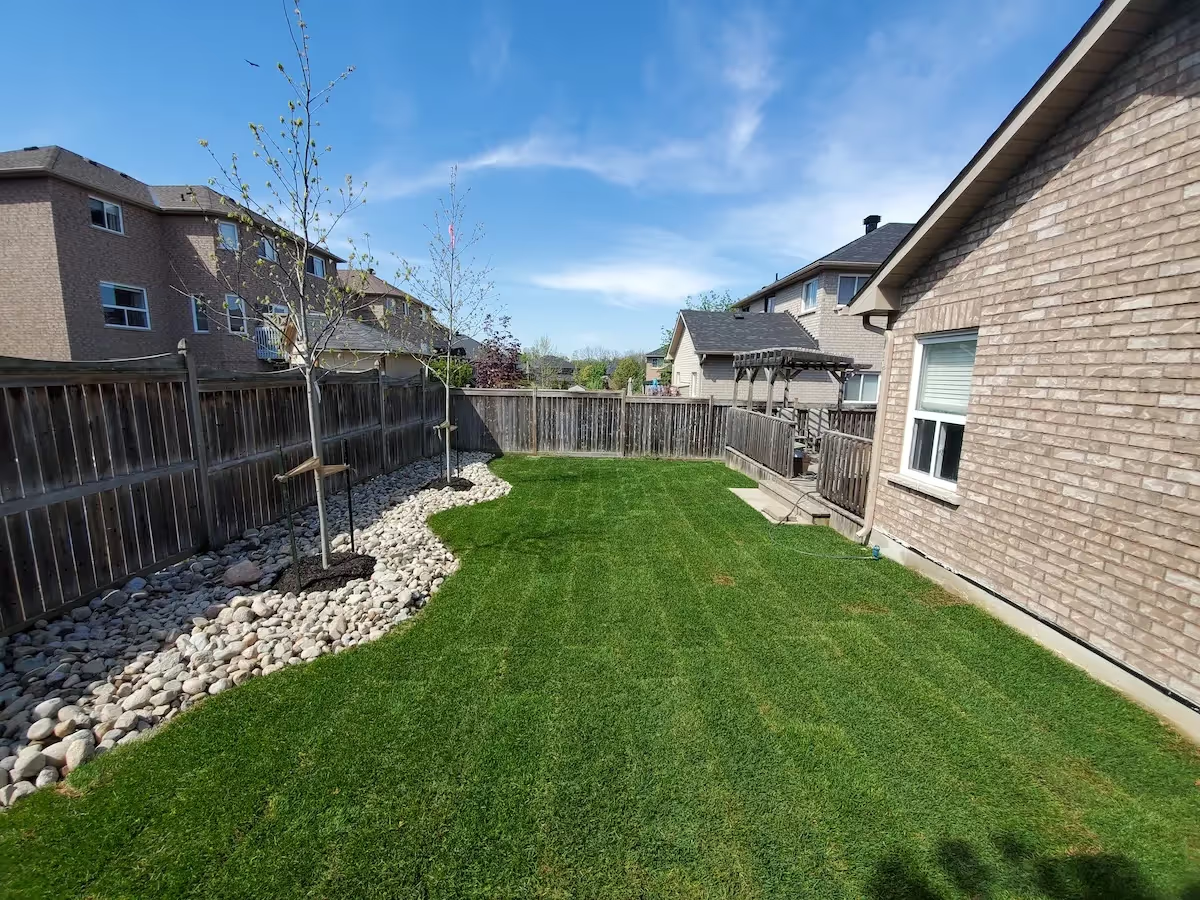
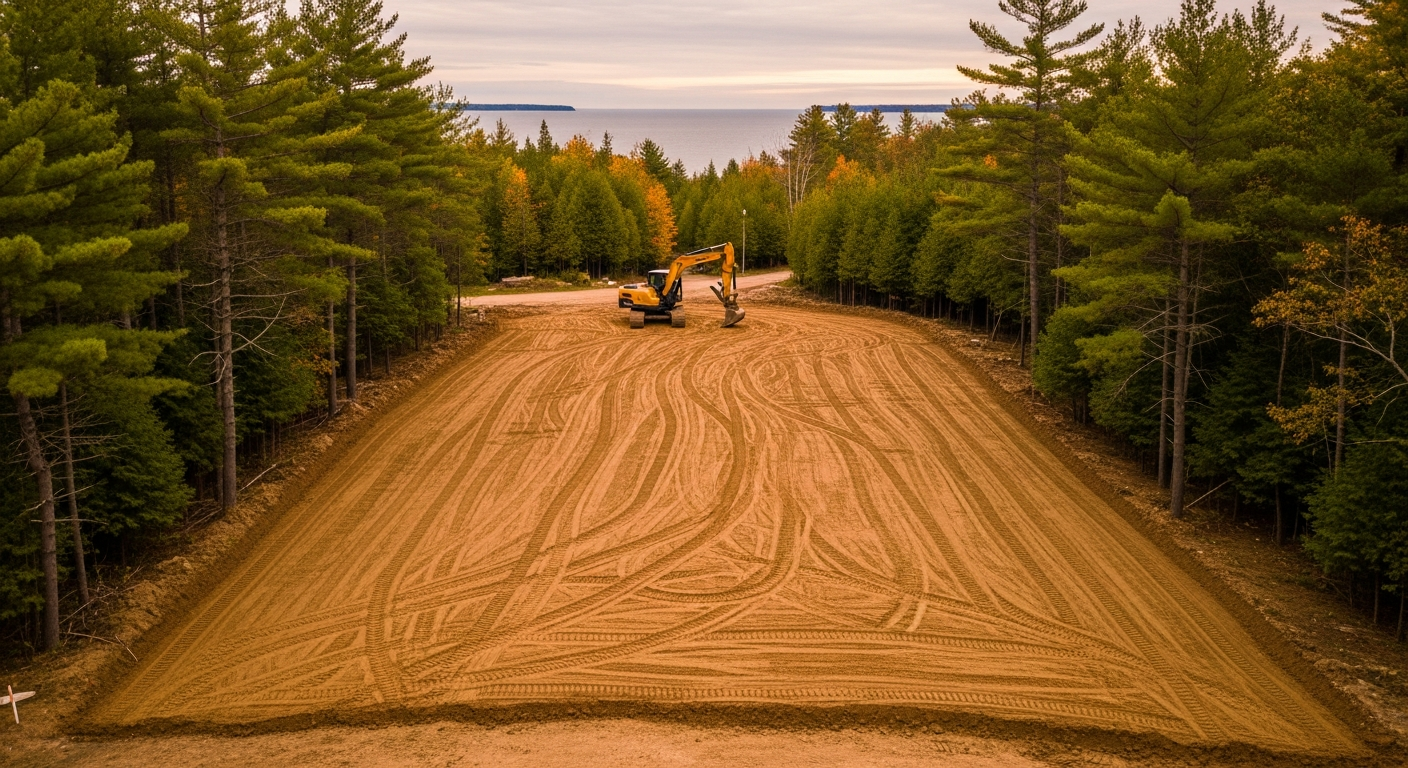
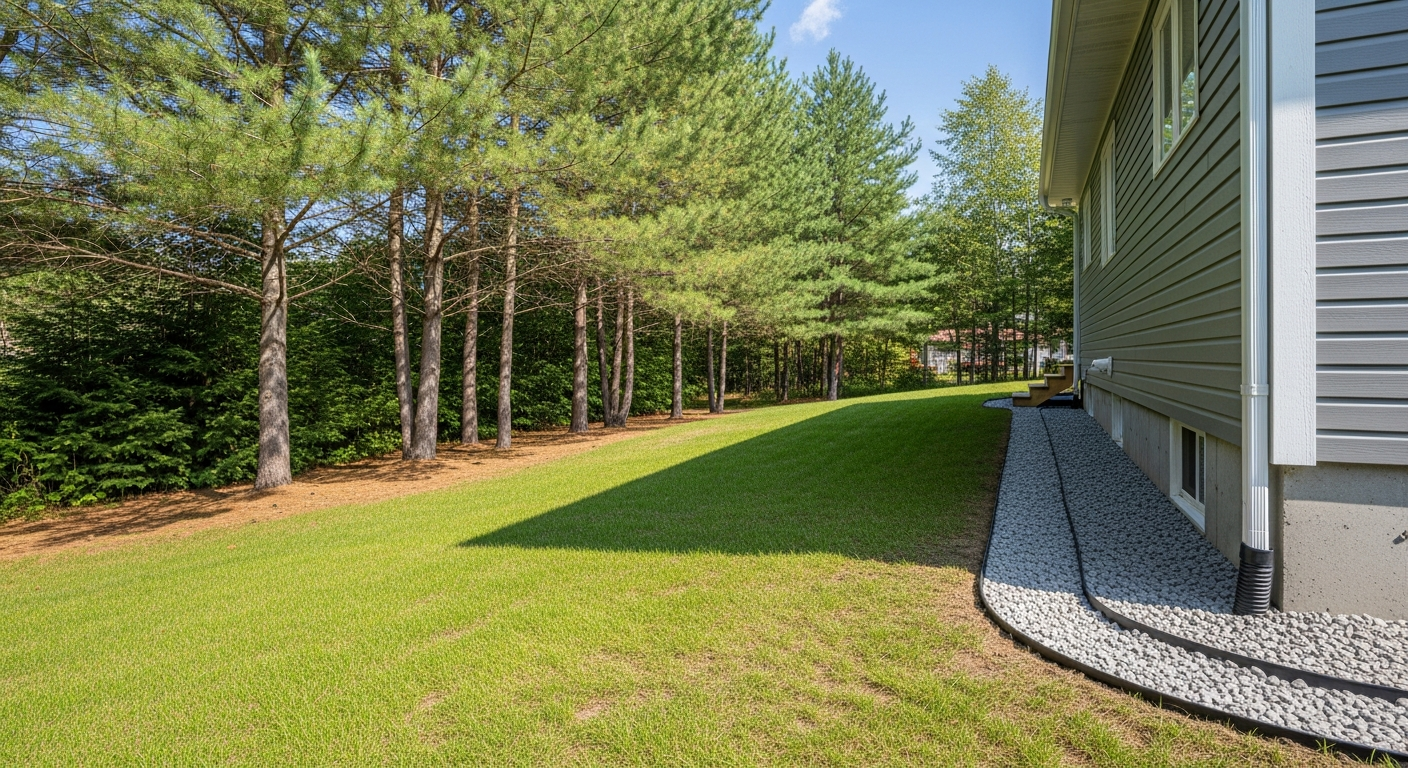
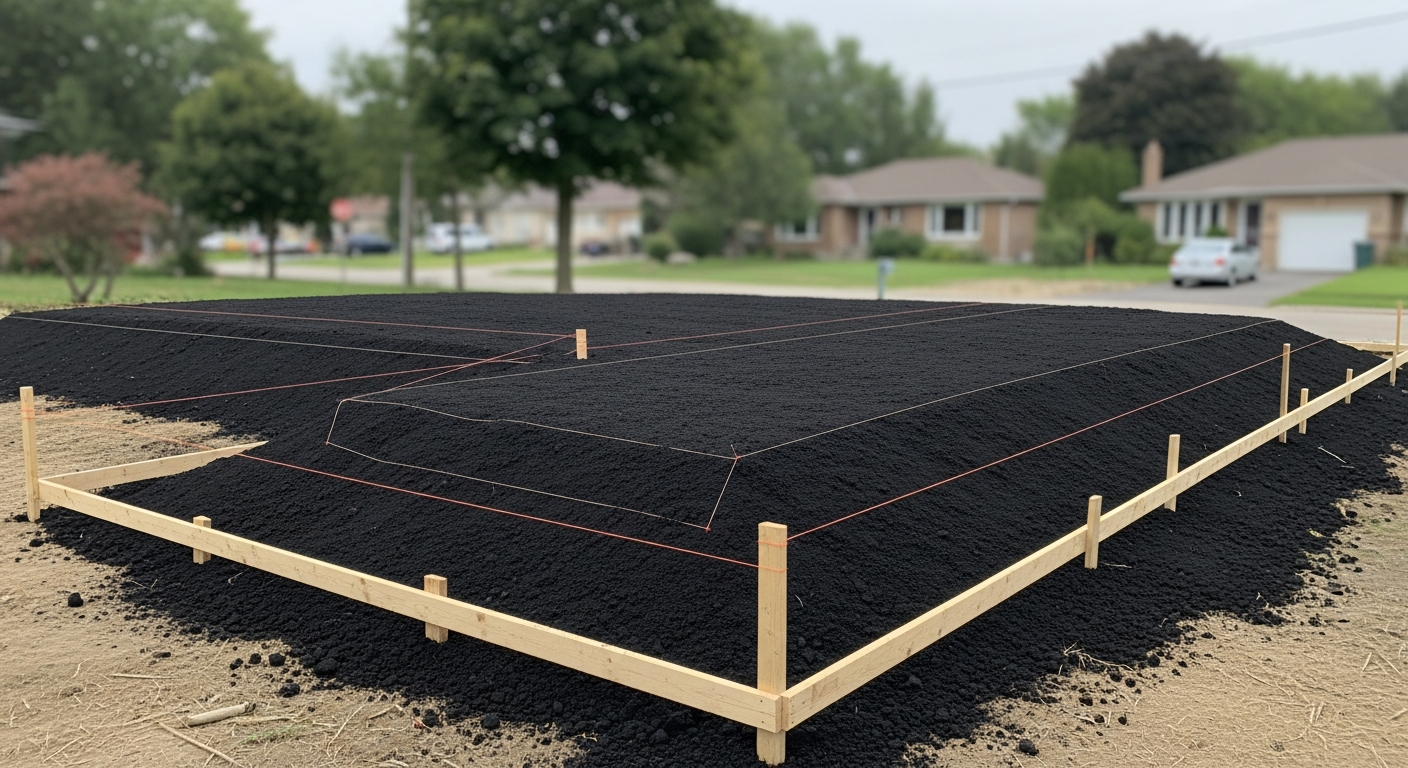
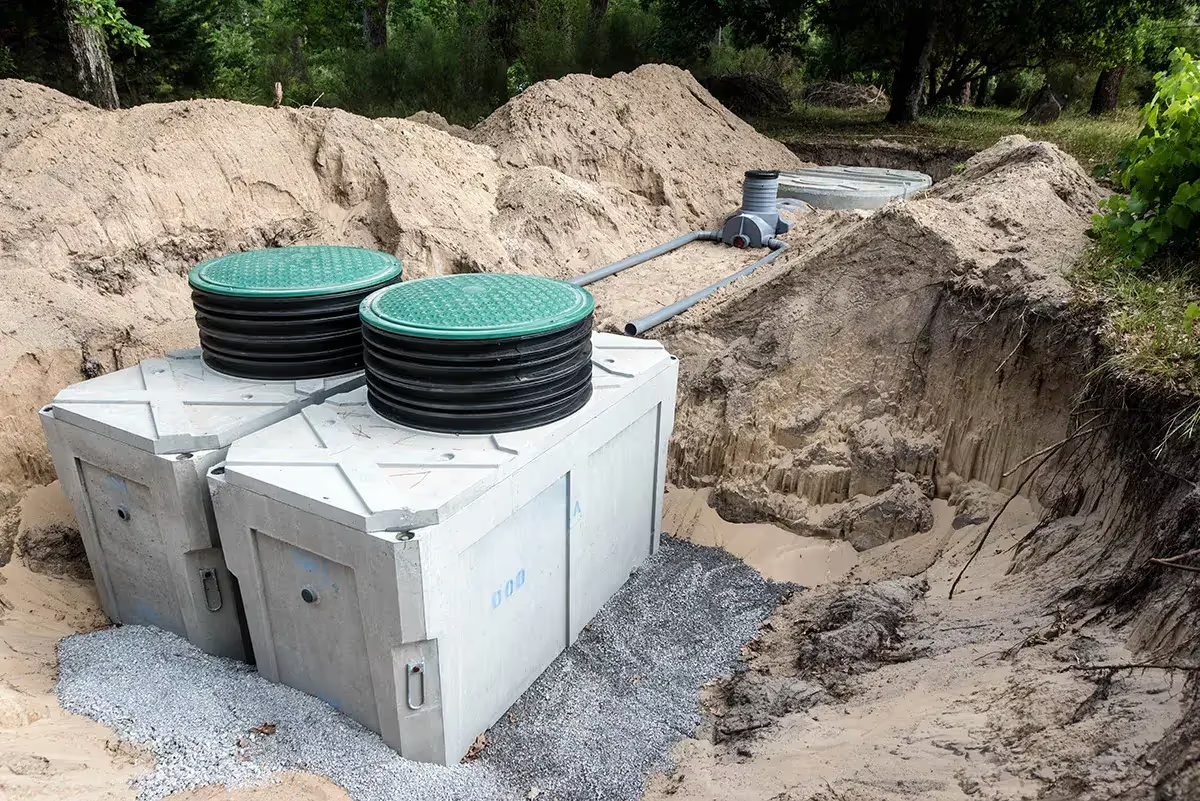
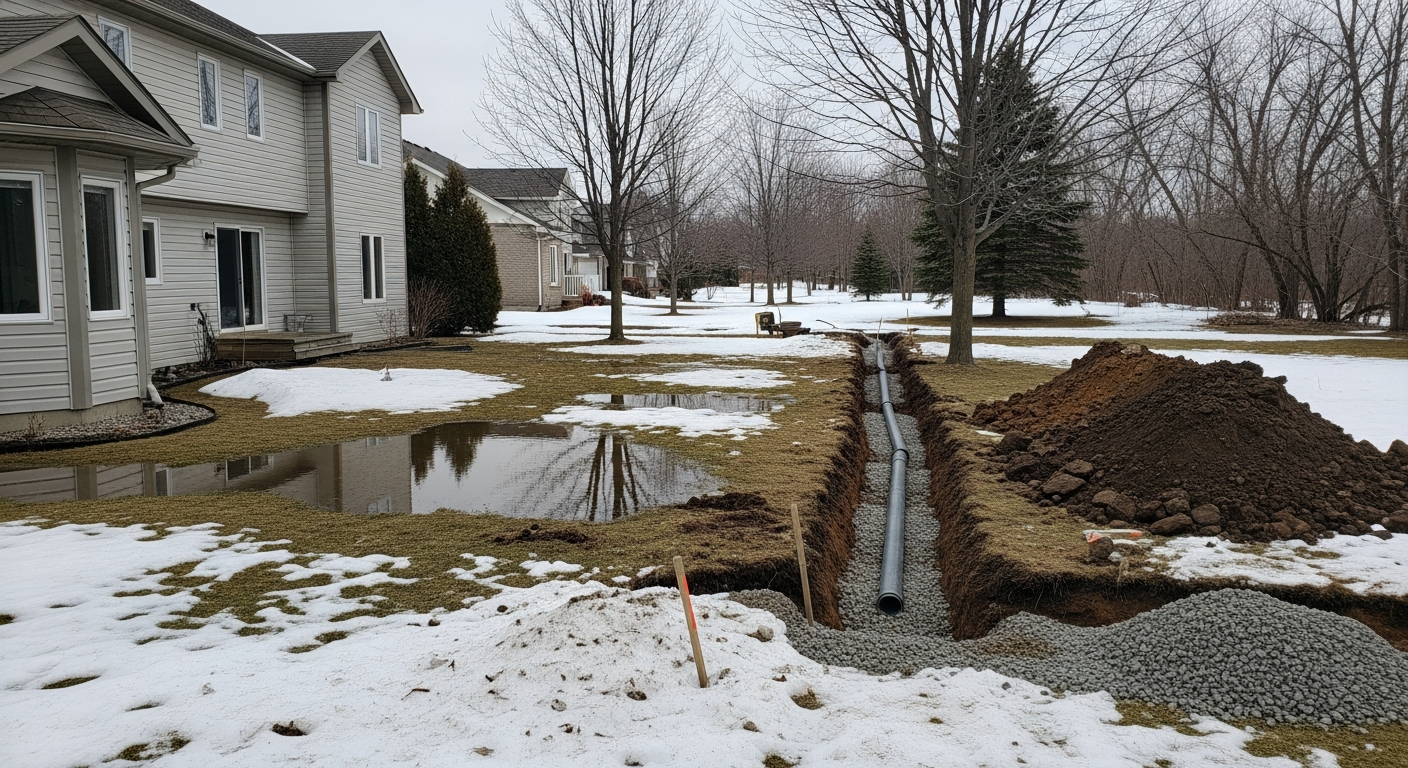
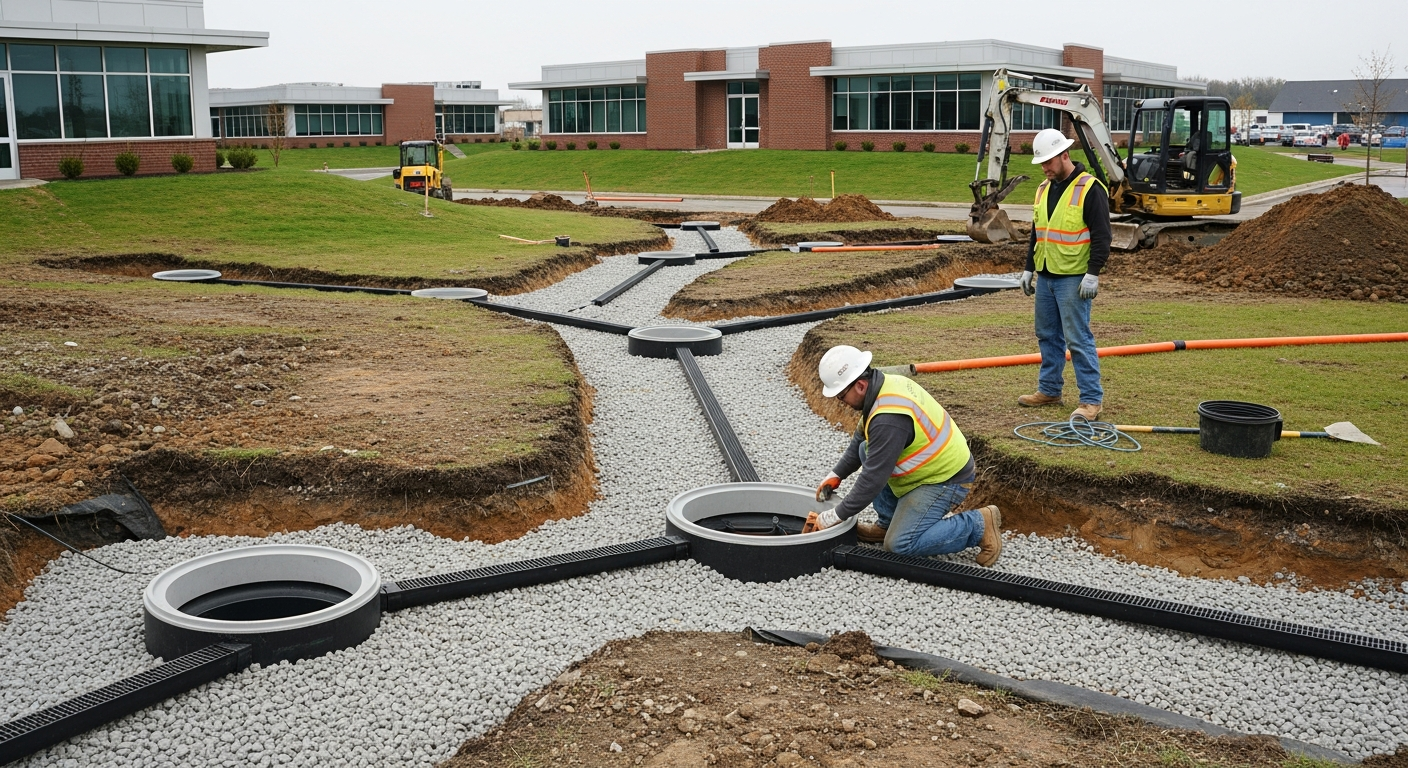
Water against the foundation is one of the costliest problems a yard can cause, so grading and drainage come first. The Town of Midland's lot grading checklist sets the minimums: grass and planting areas fall at least 2% away from buildings, hard surfaces at least 1%, and at least 5 m of rear yard is graded between 2% and 5%. Swales and downspout extensions carry the water the rest of the way. See our lot grading service and our guide to lot grading costs in Midland and Penetanguishene.
Patios, walkways and driveways on a proper base
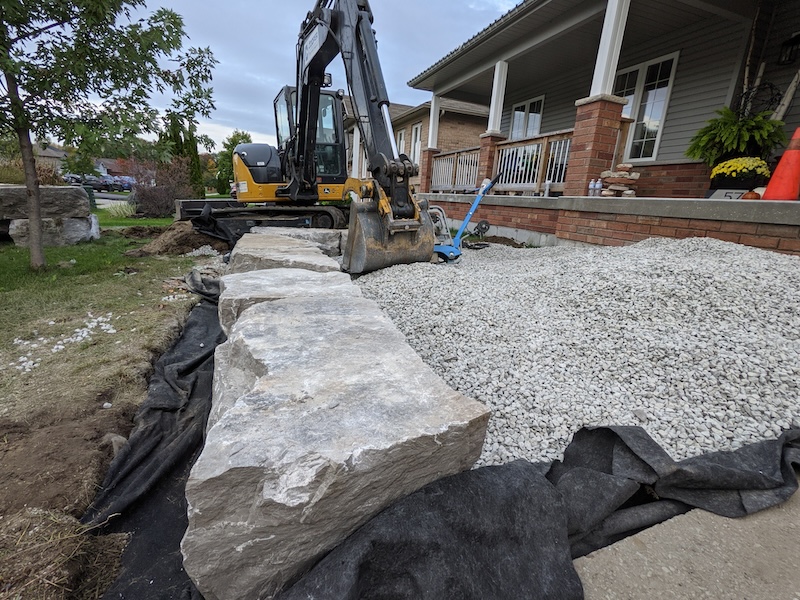
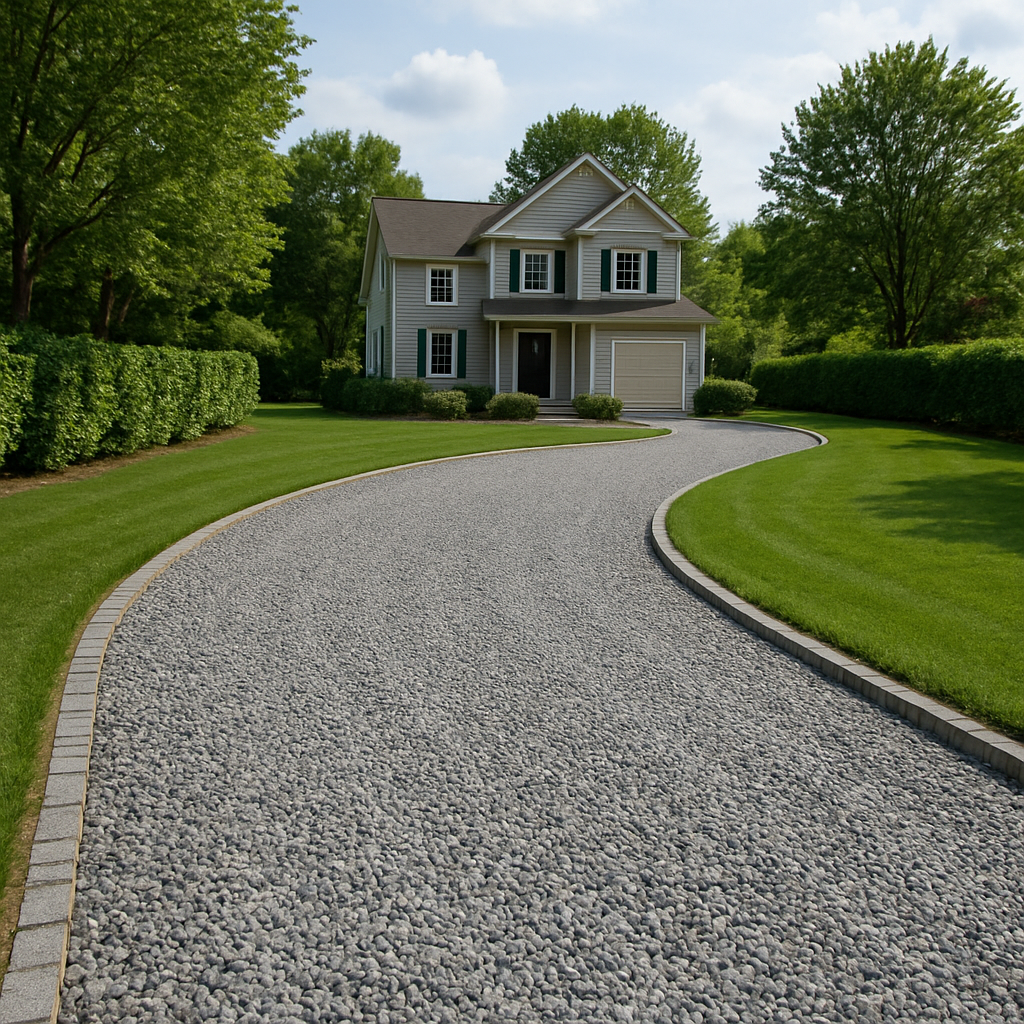
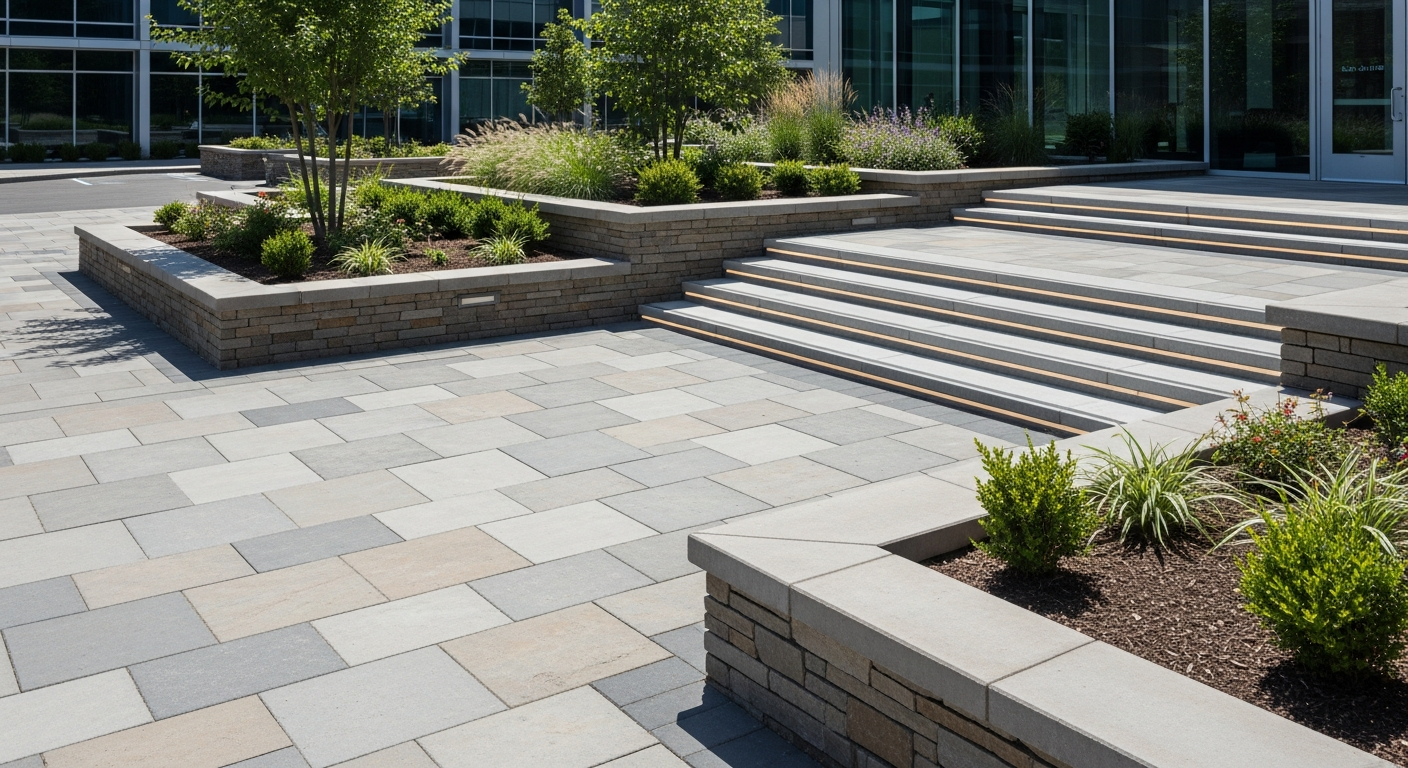
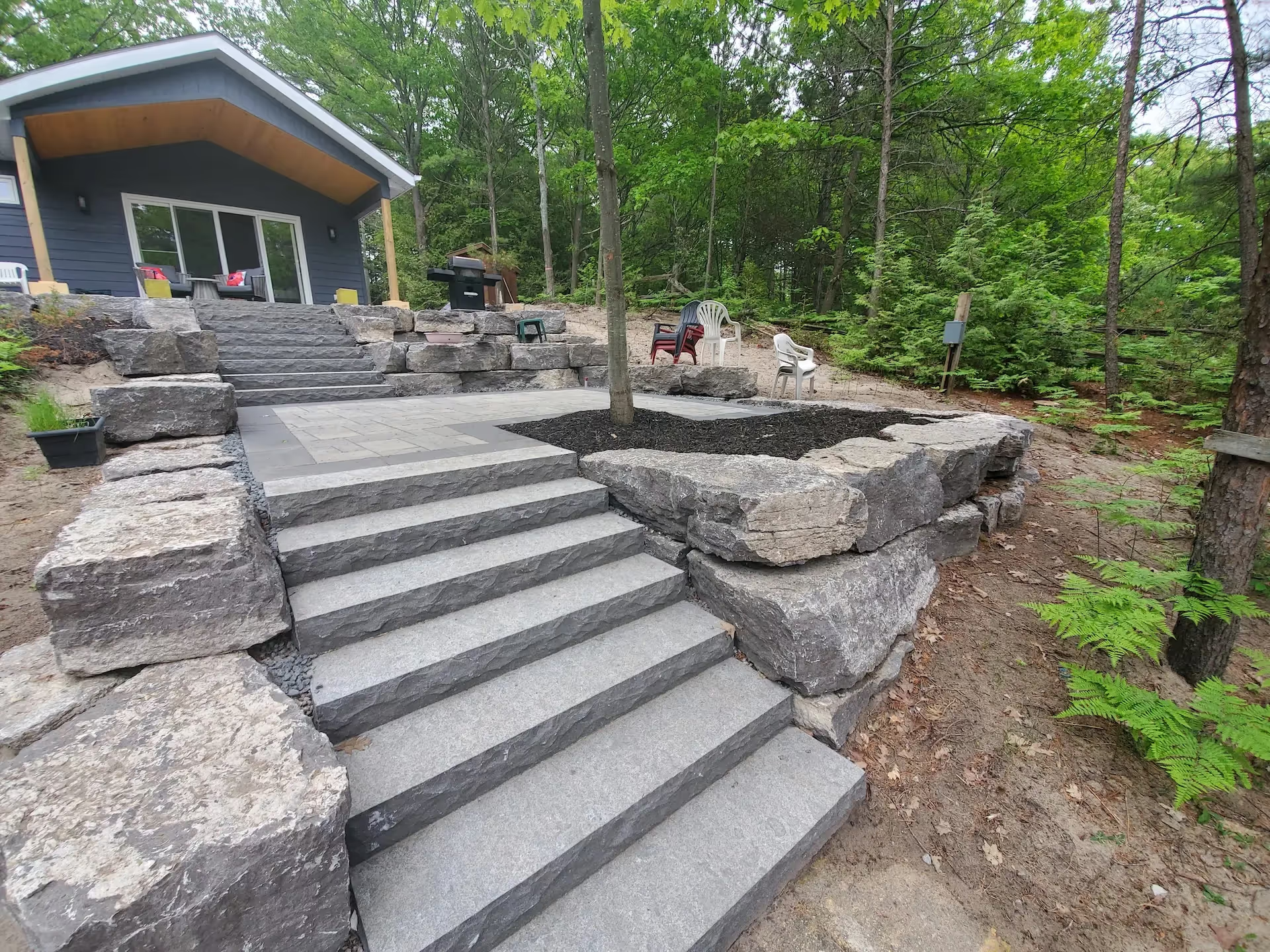
Interlock and stone last when the base is right: 100 to 150 mm of compacted Granular A under walks and patios and 150 to 200 mm under driveways, per ICPI guidelines, with a 25 mm bedding layer and pavers at least 60 mm thick. A thin or poorly compacted base is the usual reason patios heave and settle within a few winters.
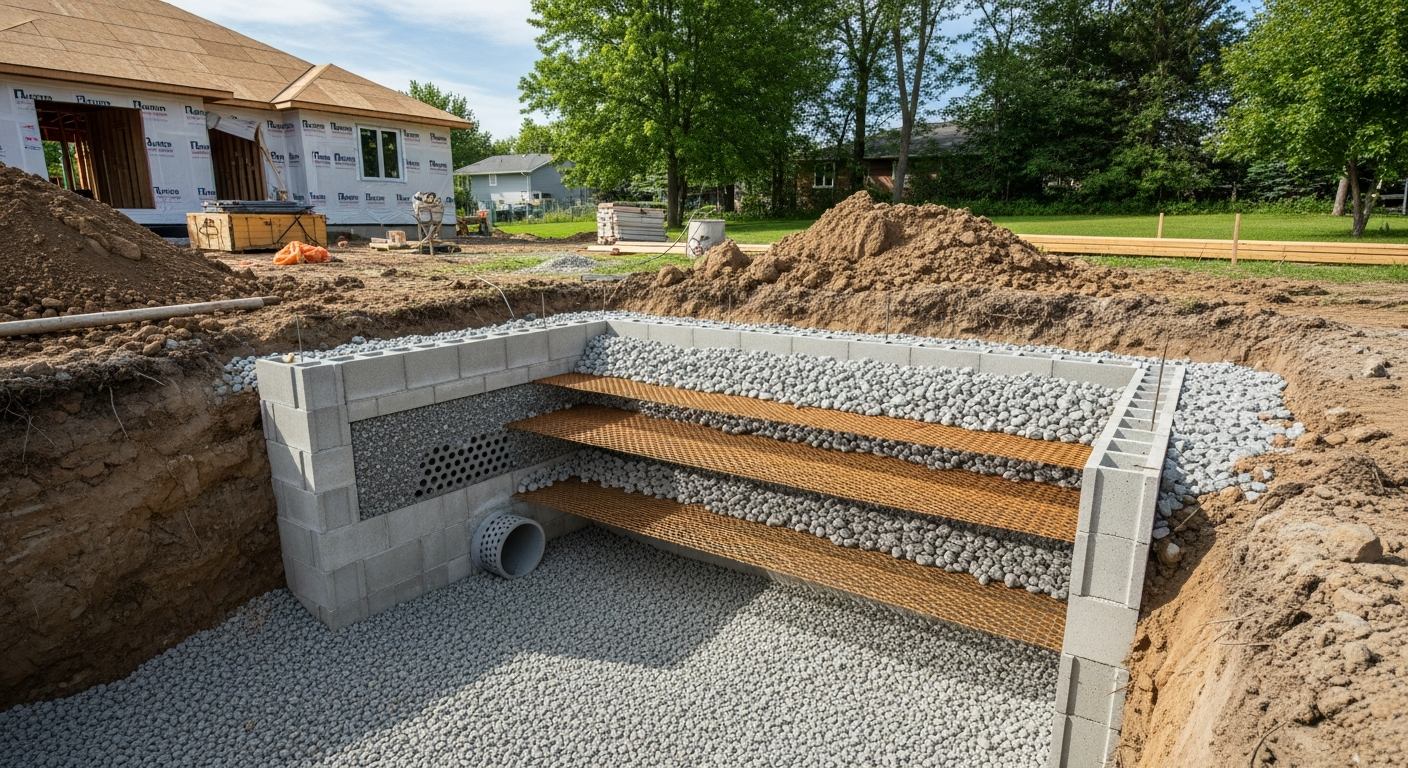
Retaining walls that are built to last
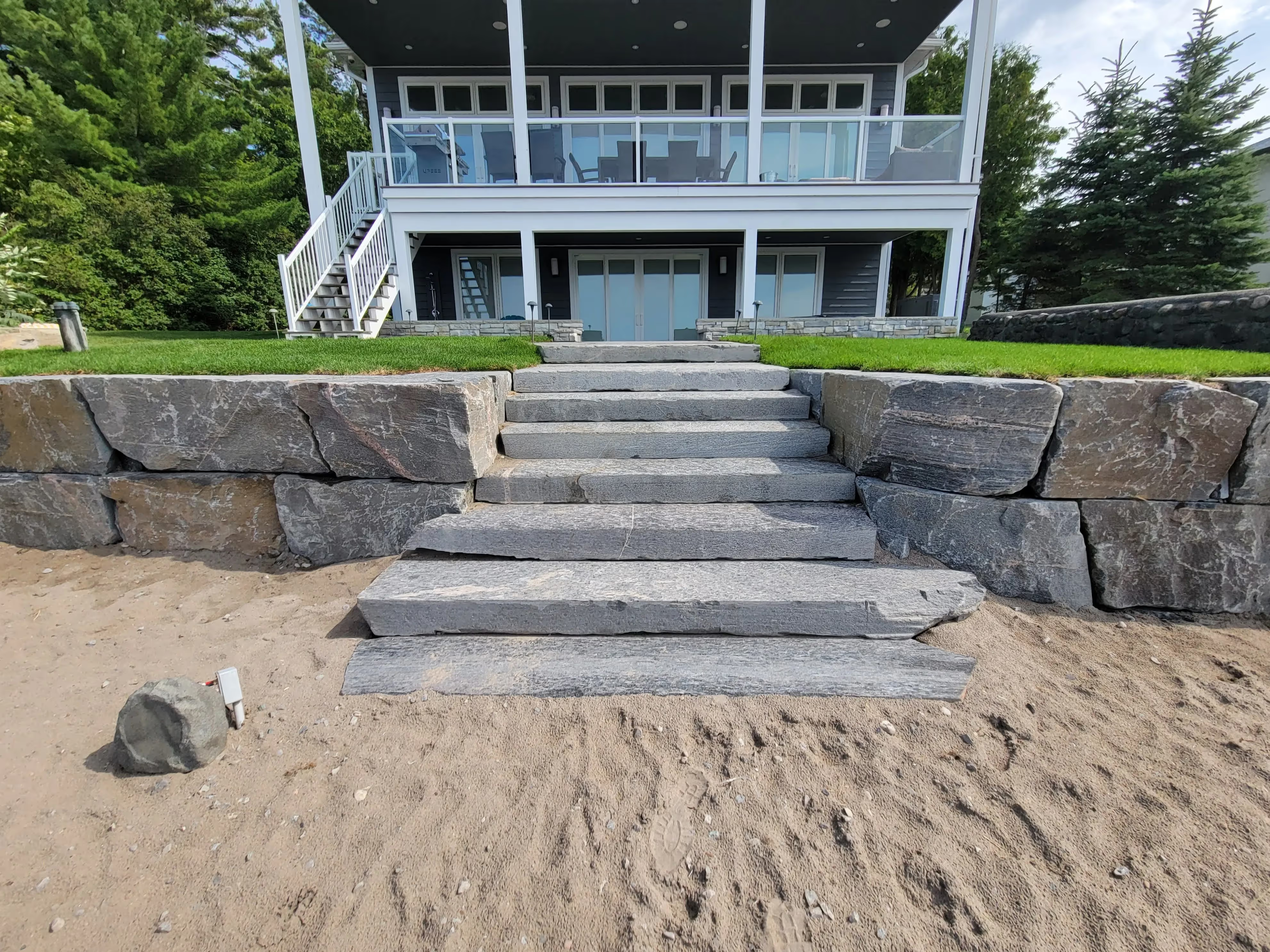
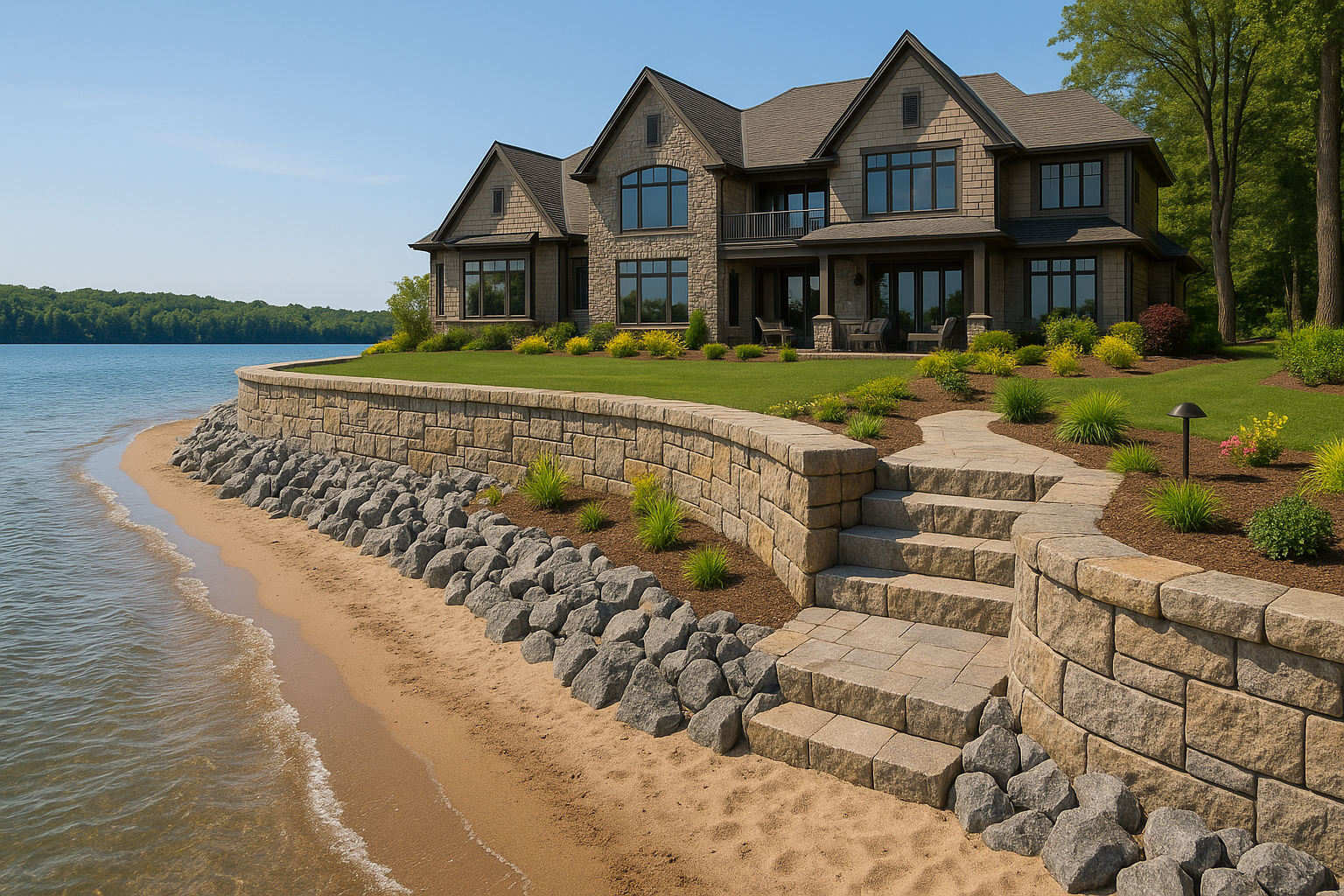
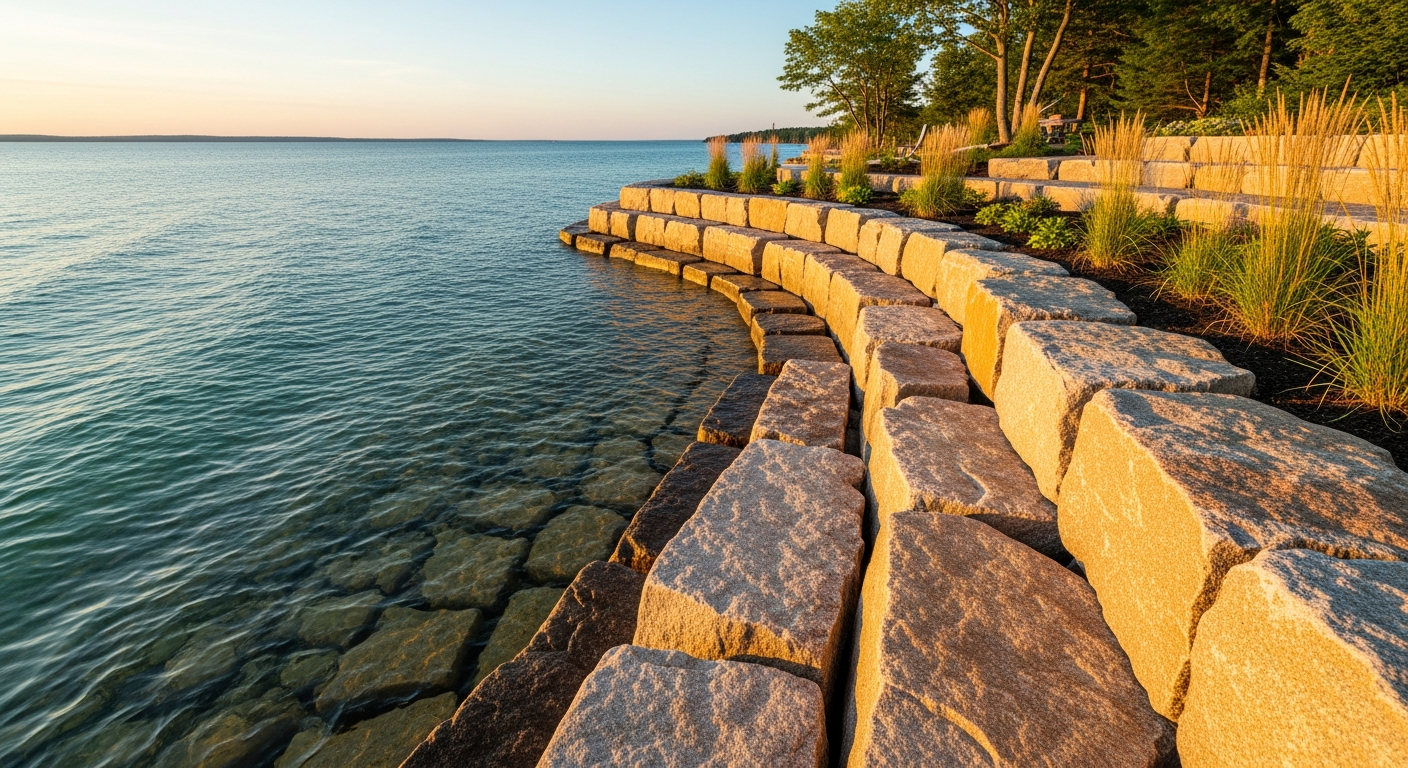
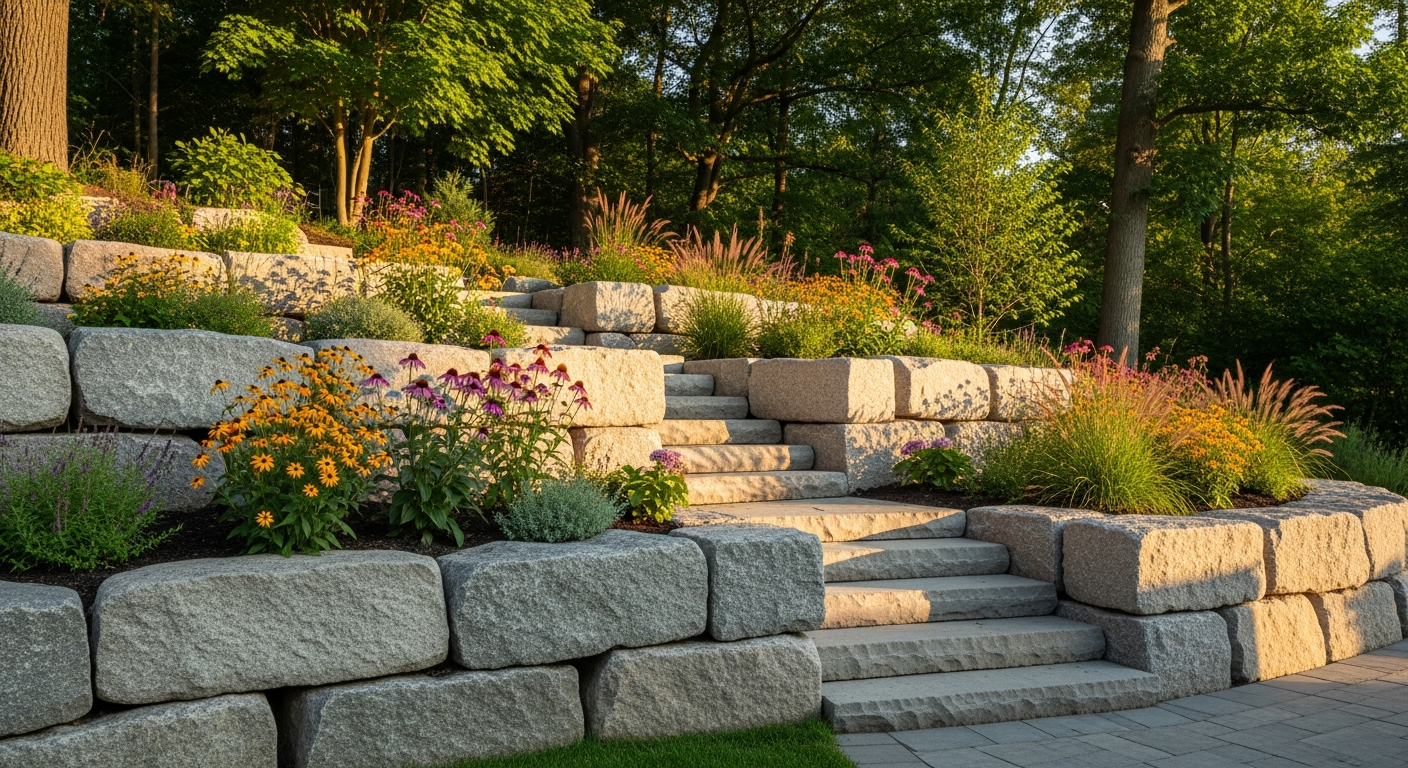
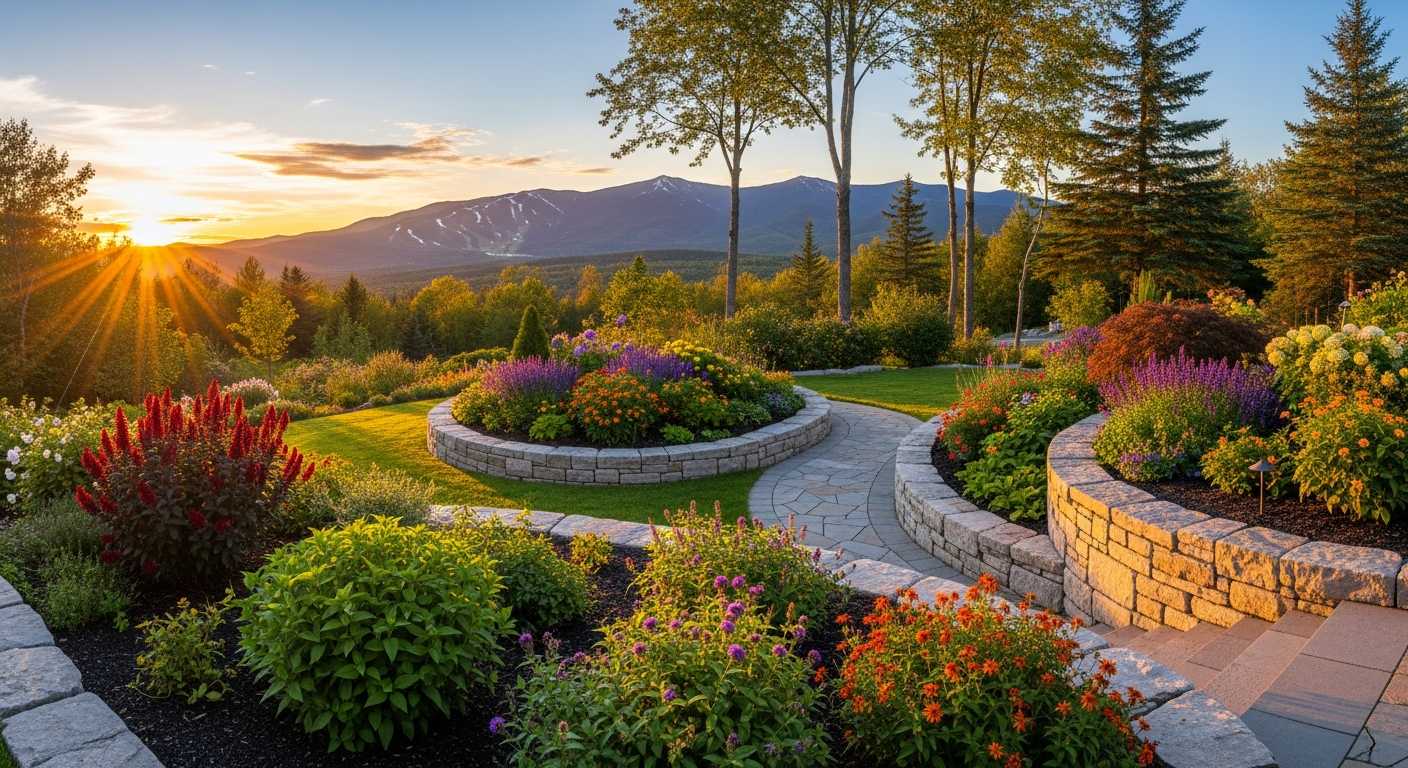
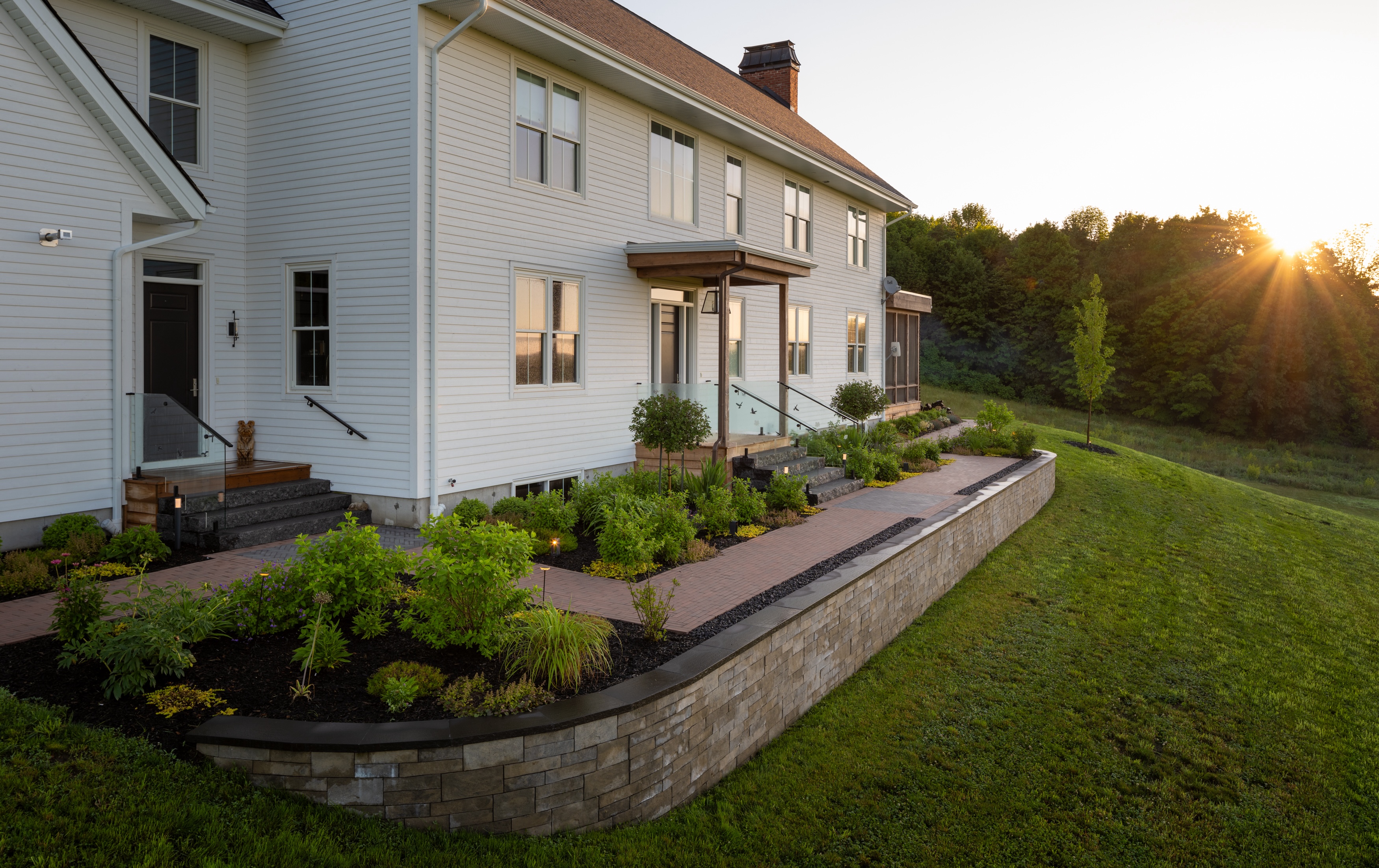
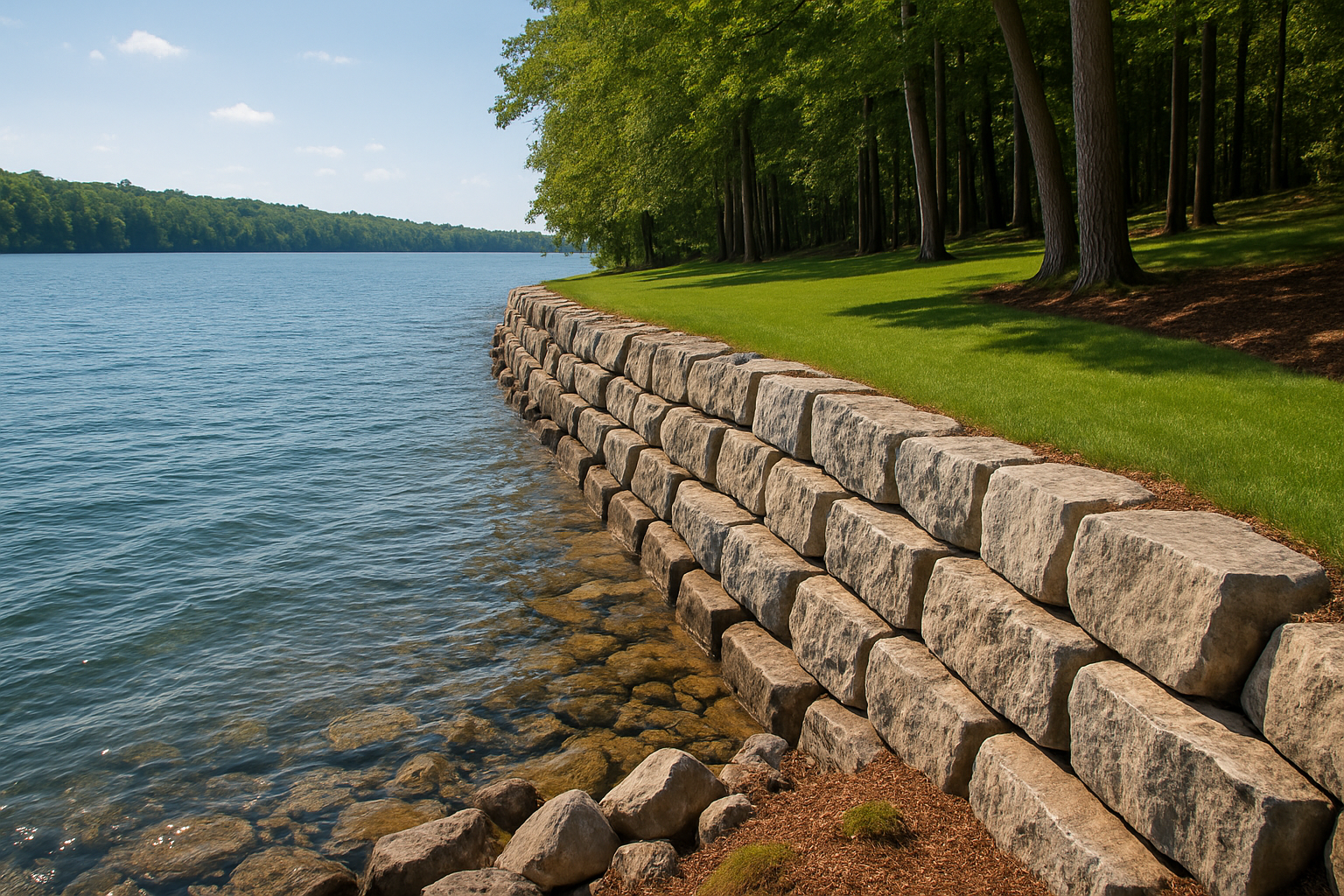
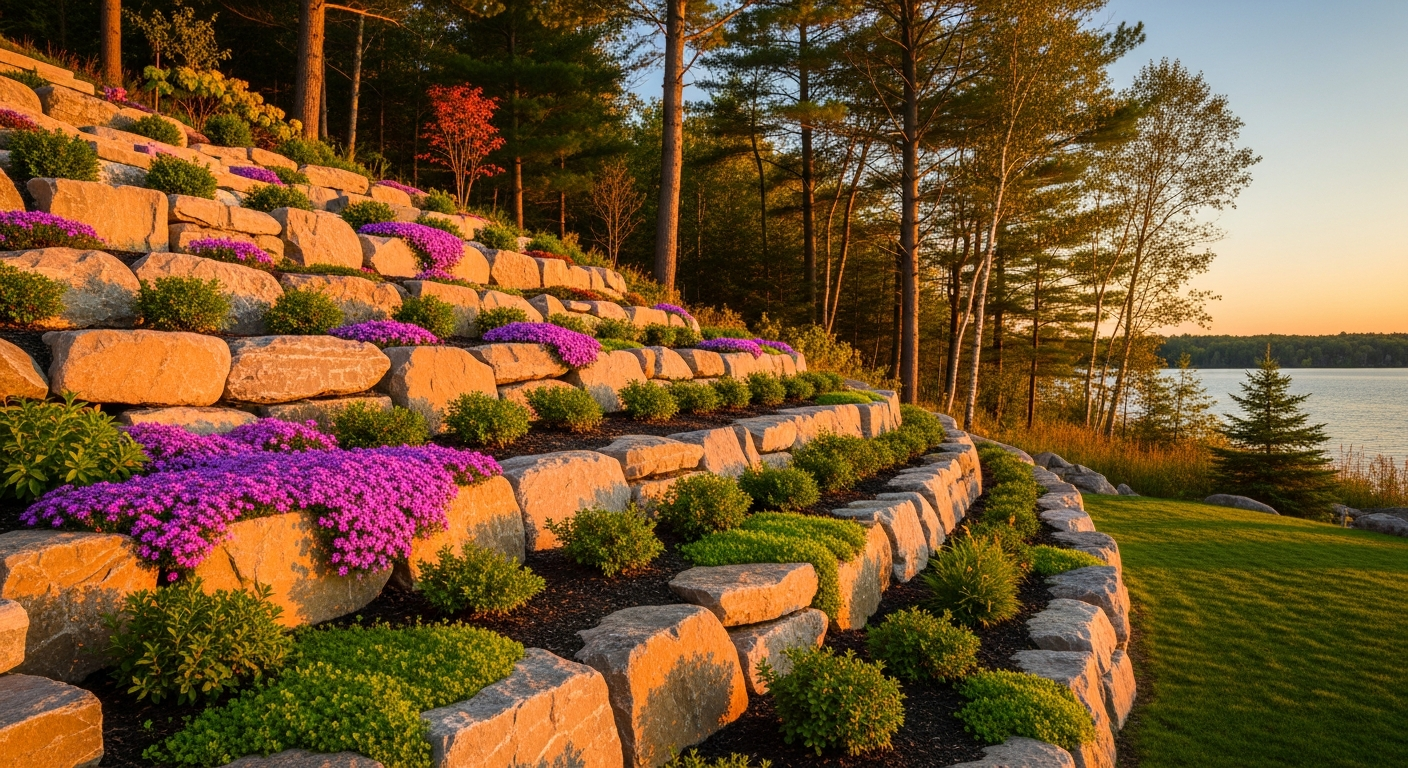
On sloped lots, a well-built wall turns unusable bank into flat space for a patio or garden. Walls need a compacted base, drainage stone behind them and a drain to daylight. A wall over 1 m in exposed height next to public property, a building entrance or property open to the public is a designated structure under the Ontario Building Code and needs a building permit and an engineered design.
Sustainable Garden Designs
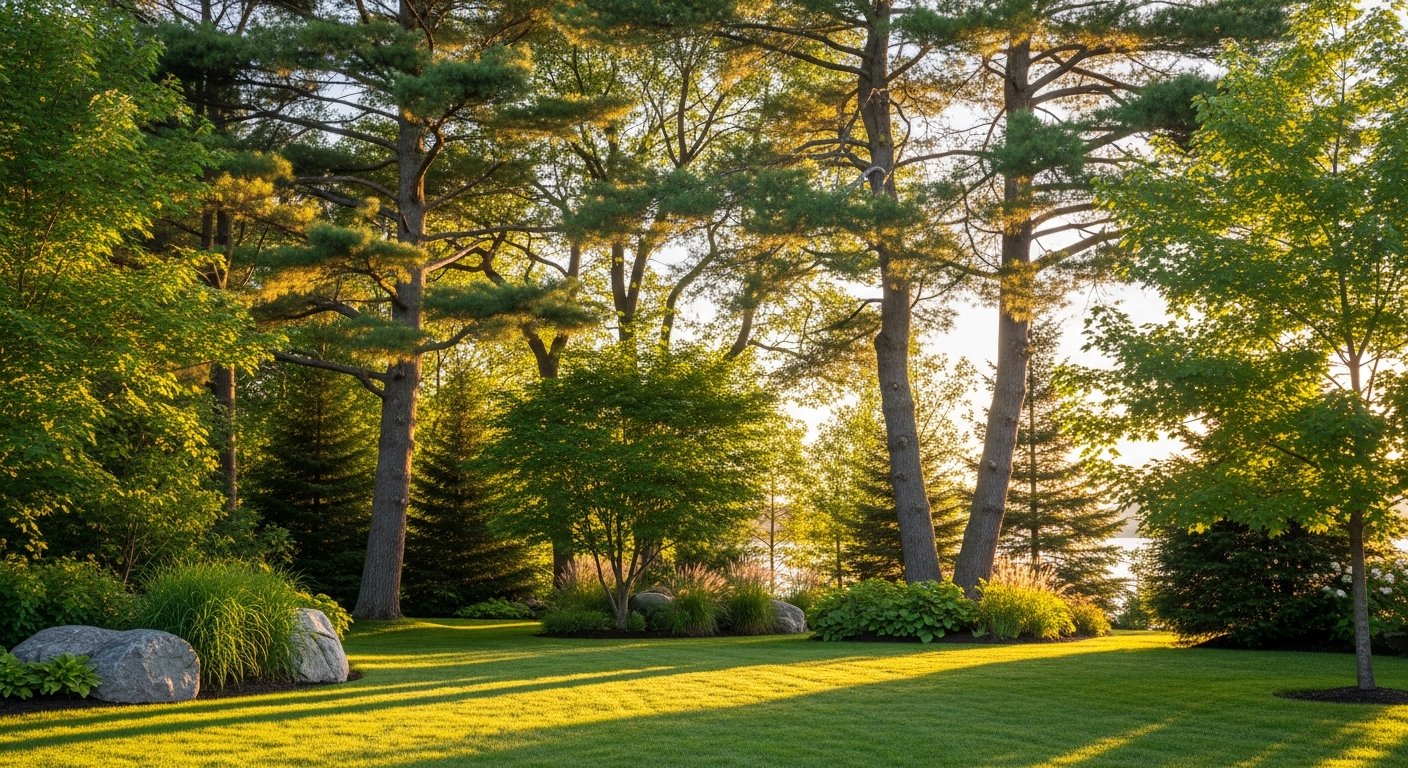
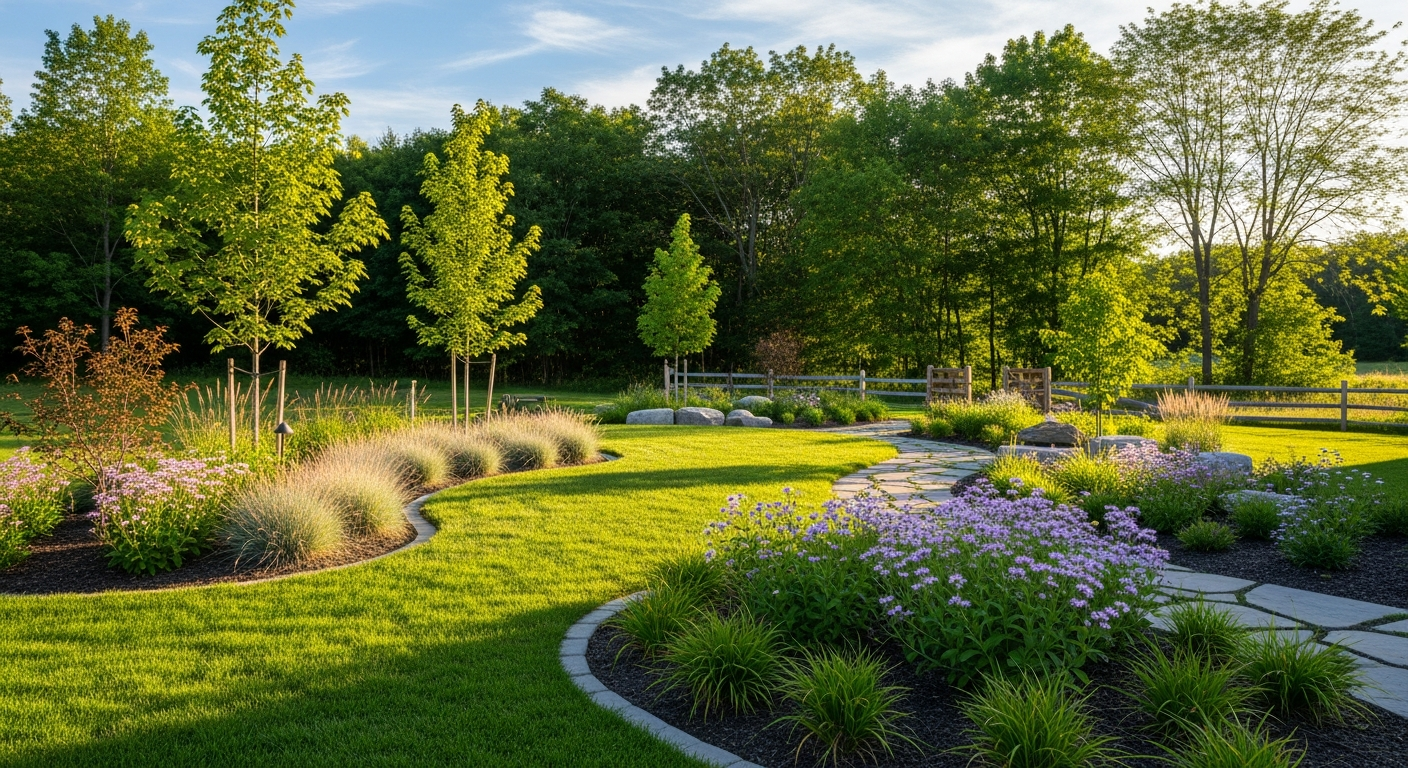
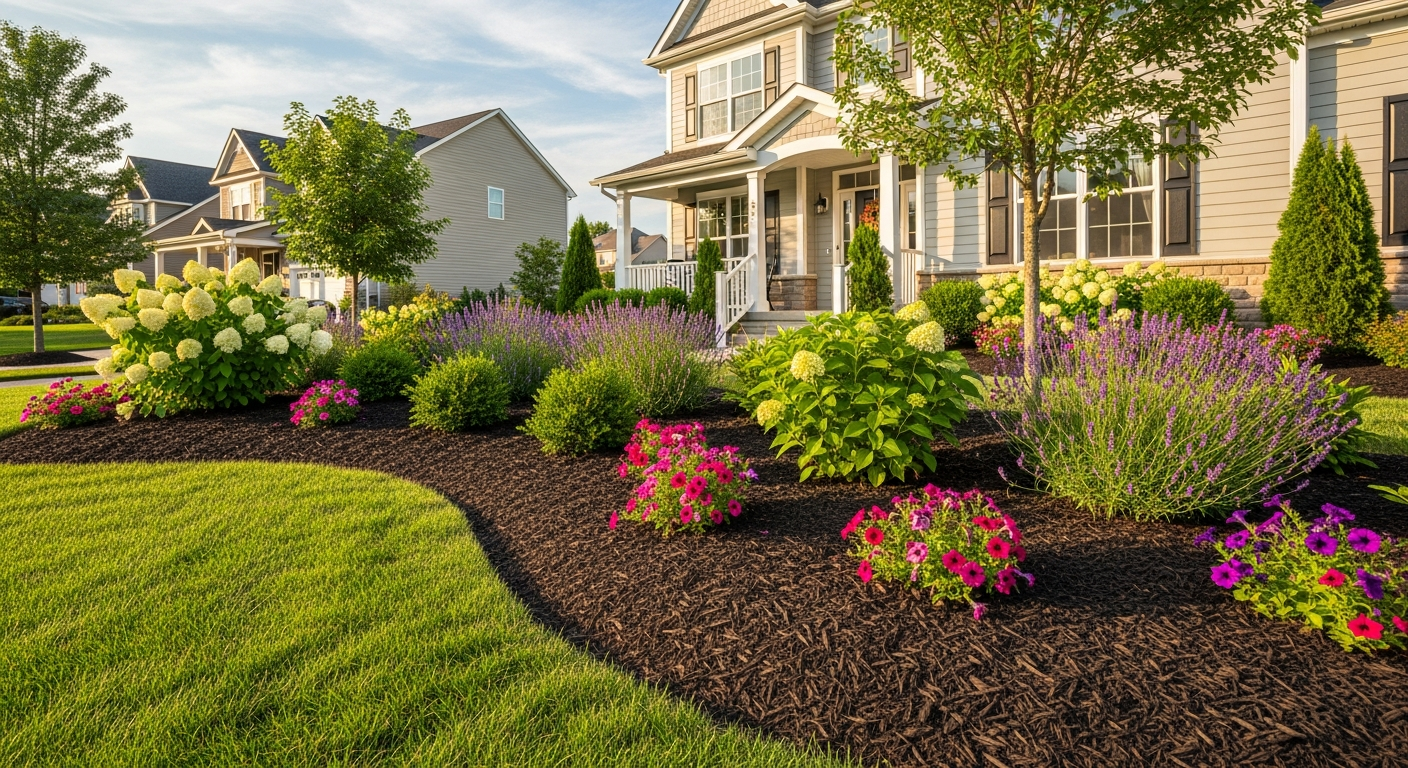
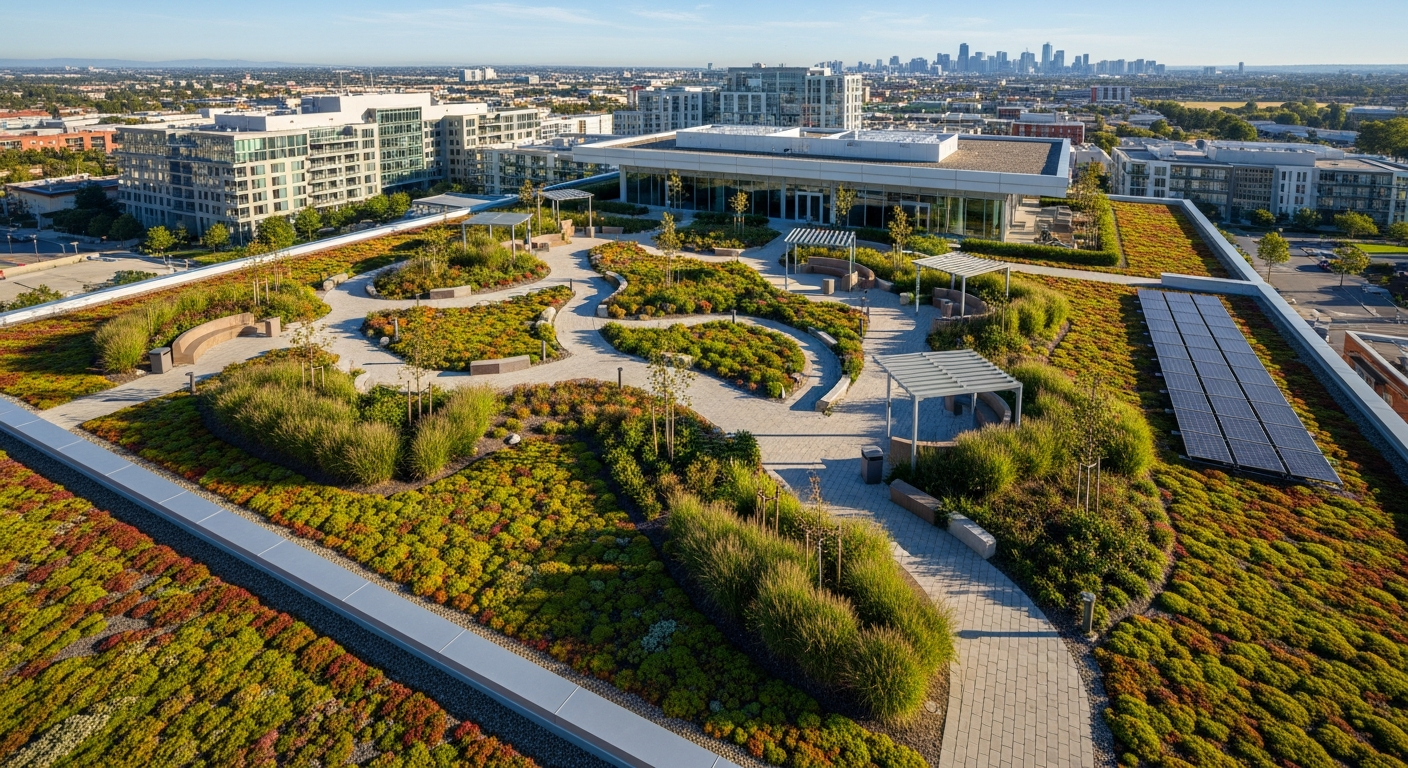
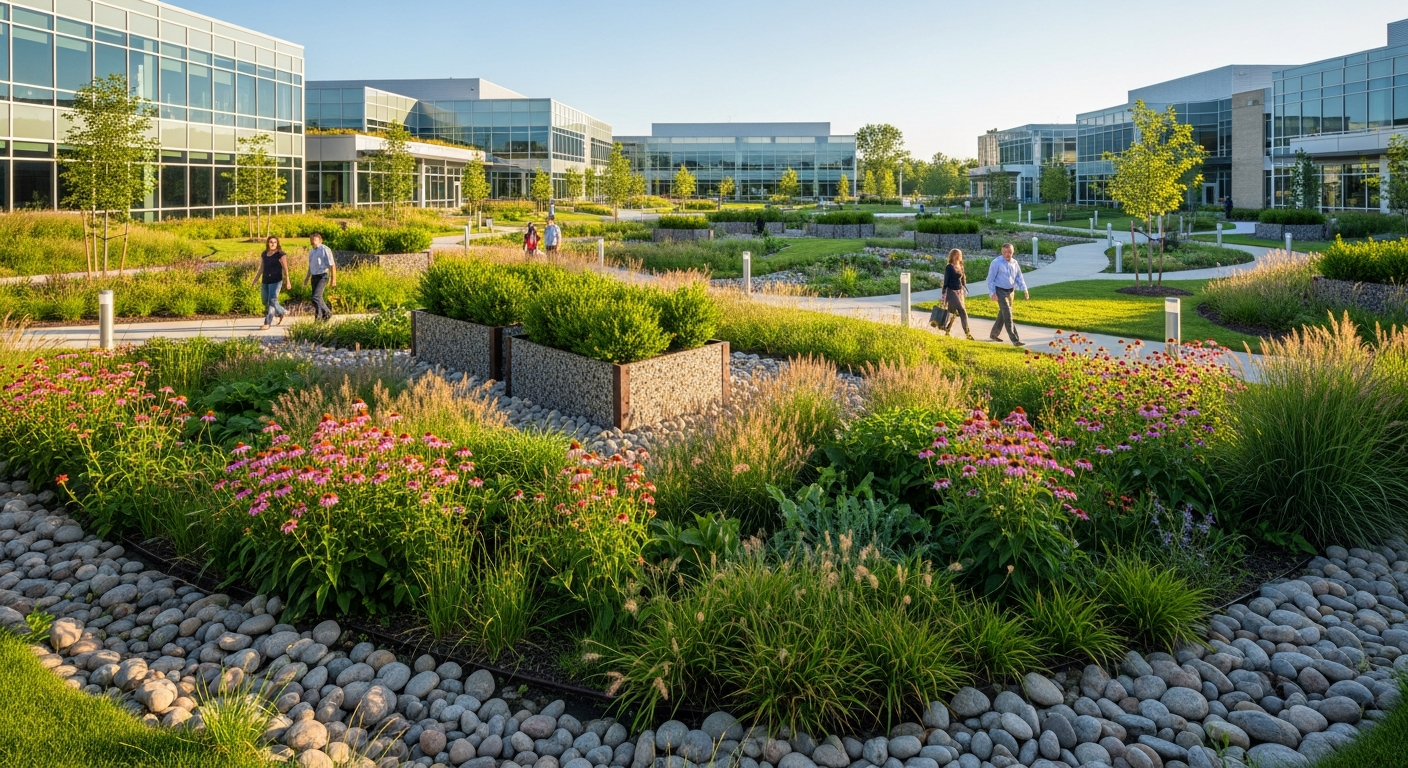
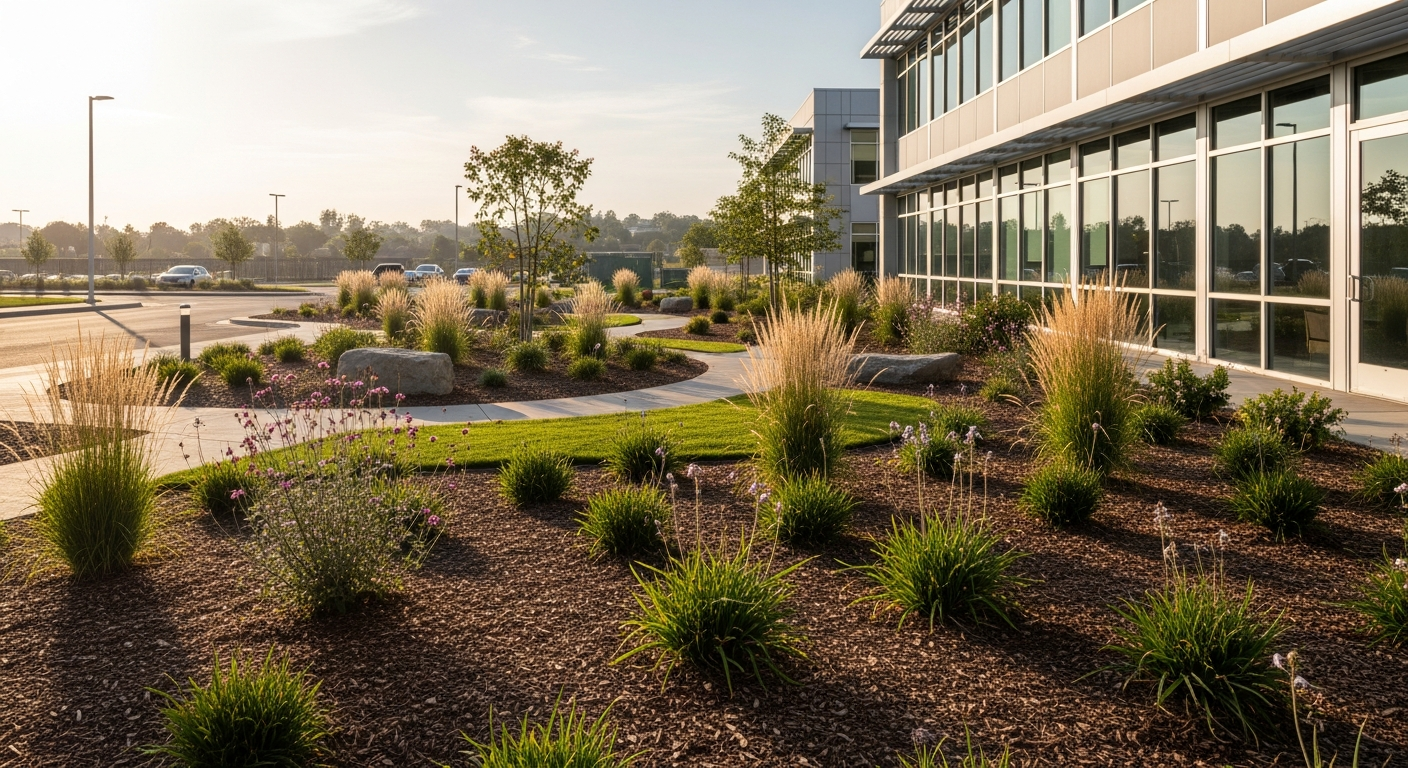
Incorporating sustainable practices into garden designs is not just a trend but a forward-thinking investment. Native perennials, shrubs and trees adapted to Simcoe County need less watering and fewer chemicals once established, and they provide habitat for local wildlife. Replacing hard-to-mow slopes and thin lawn with planting beds also cuts weekly upkeep.
Water Features and Their Appeal
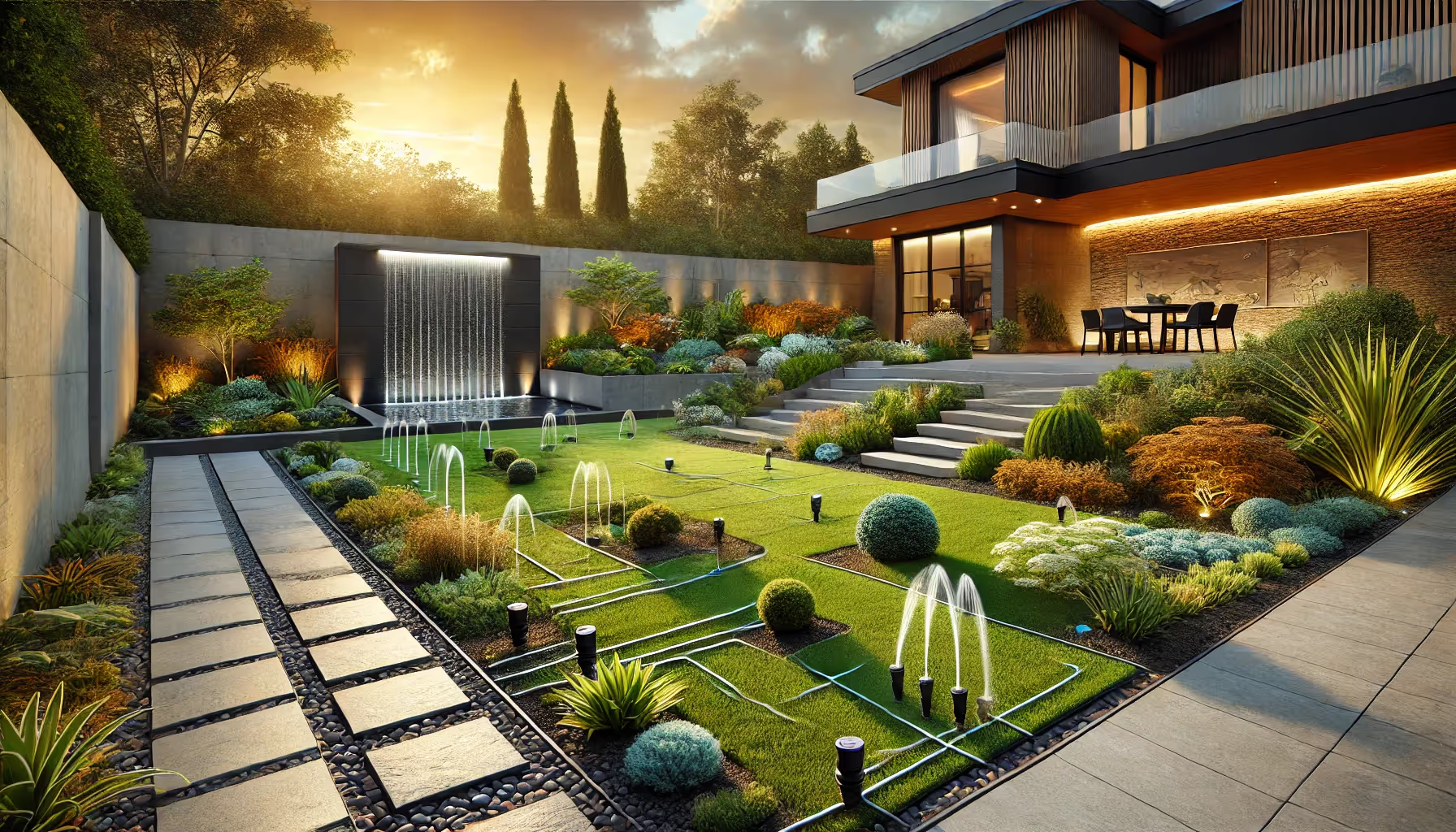
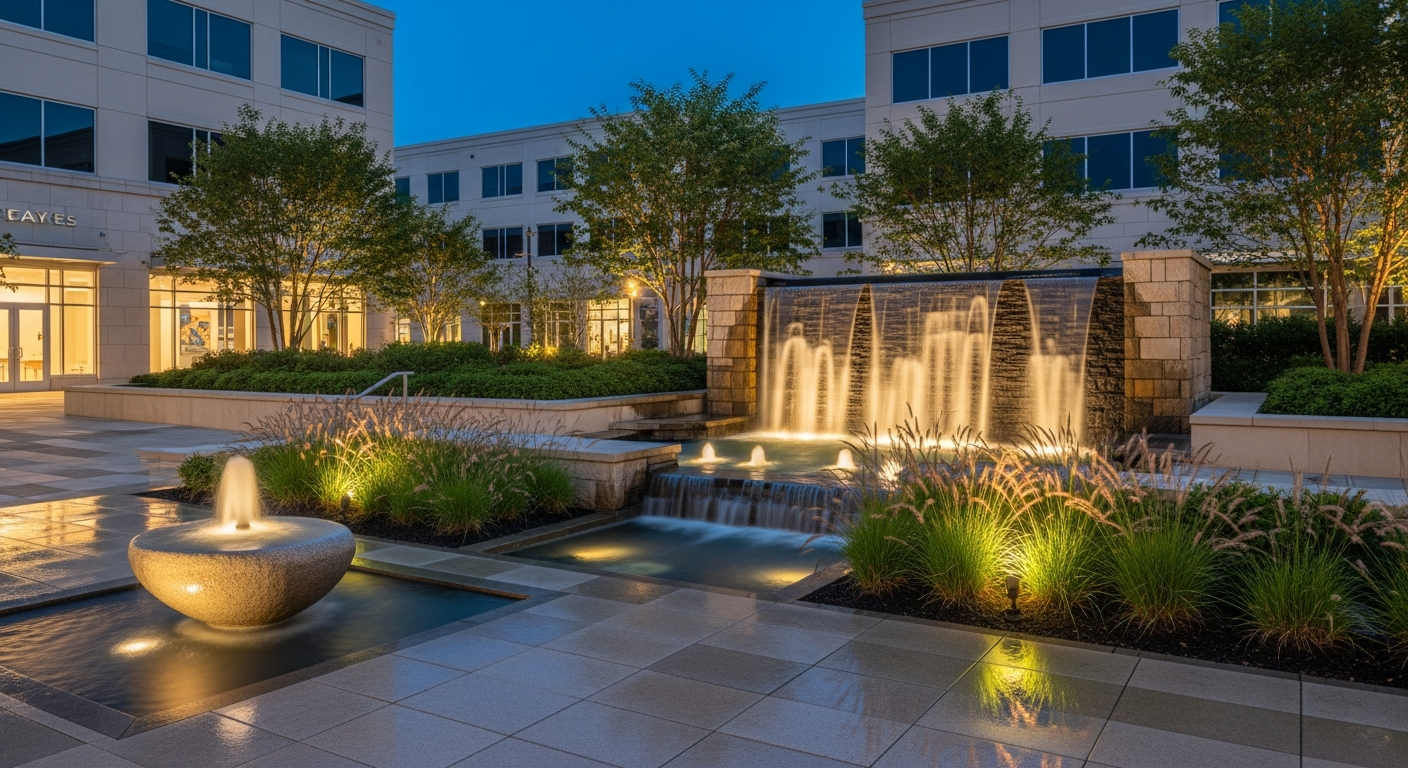
Water features, from simple birdbaths to elaborate waterfalls, add a tranquil element to any property. They attract wildlife, provide a soothing soundscape, and can be the centrepiece of a backyard. They do need regular upkeep and a plan for winter, so weigh that before you build one.
Outdoor Living Spaces
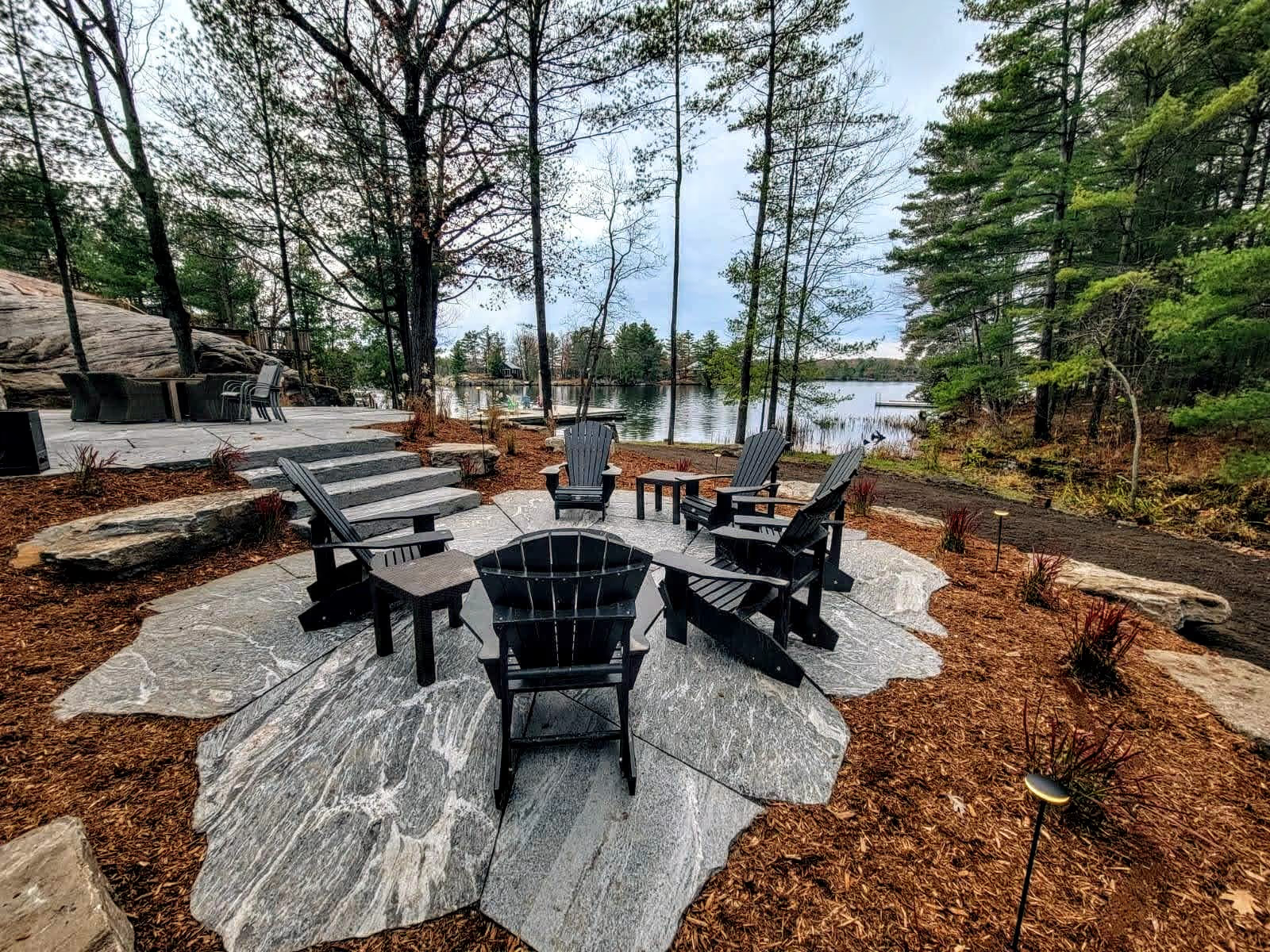
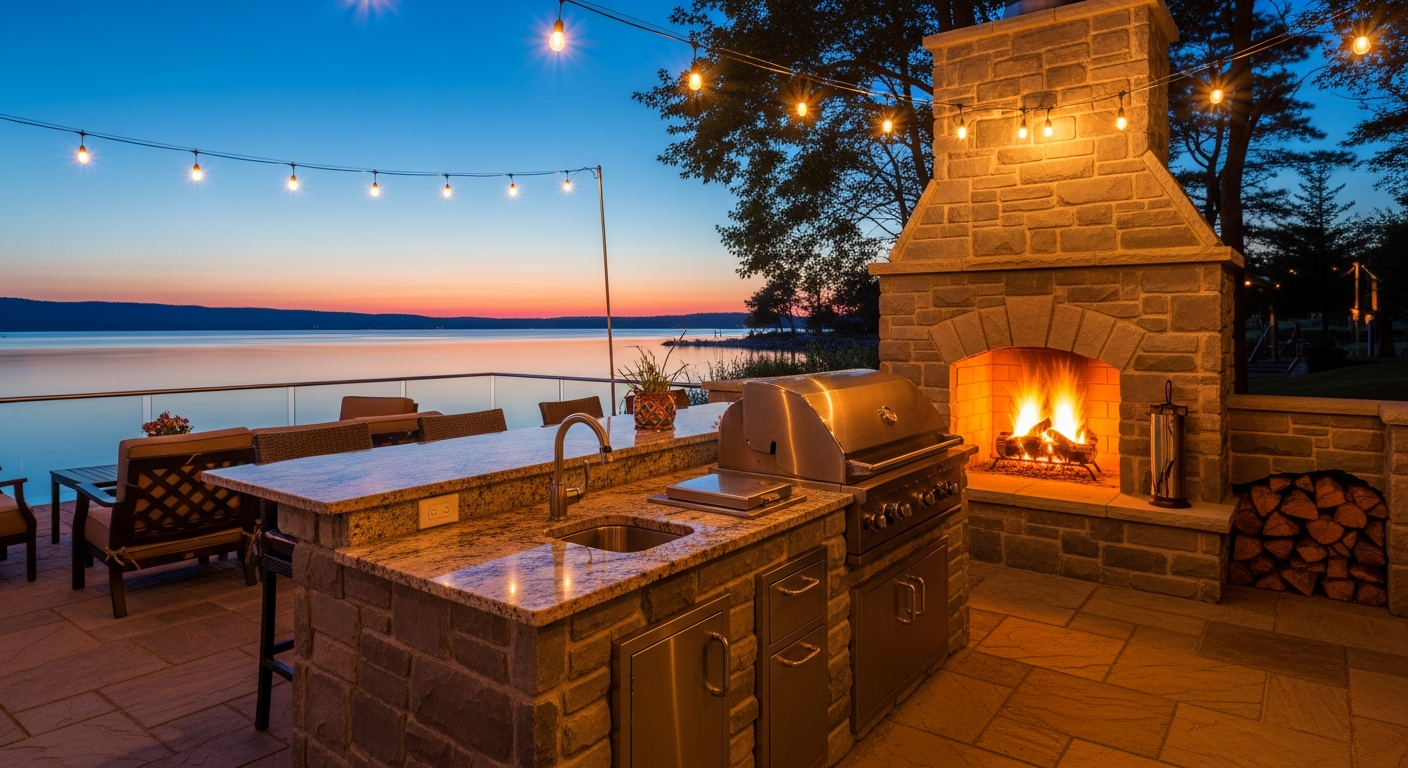
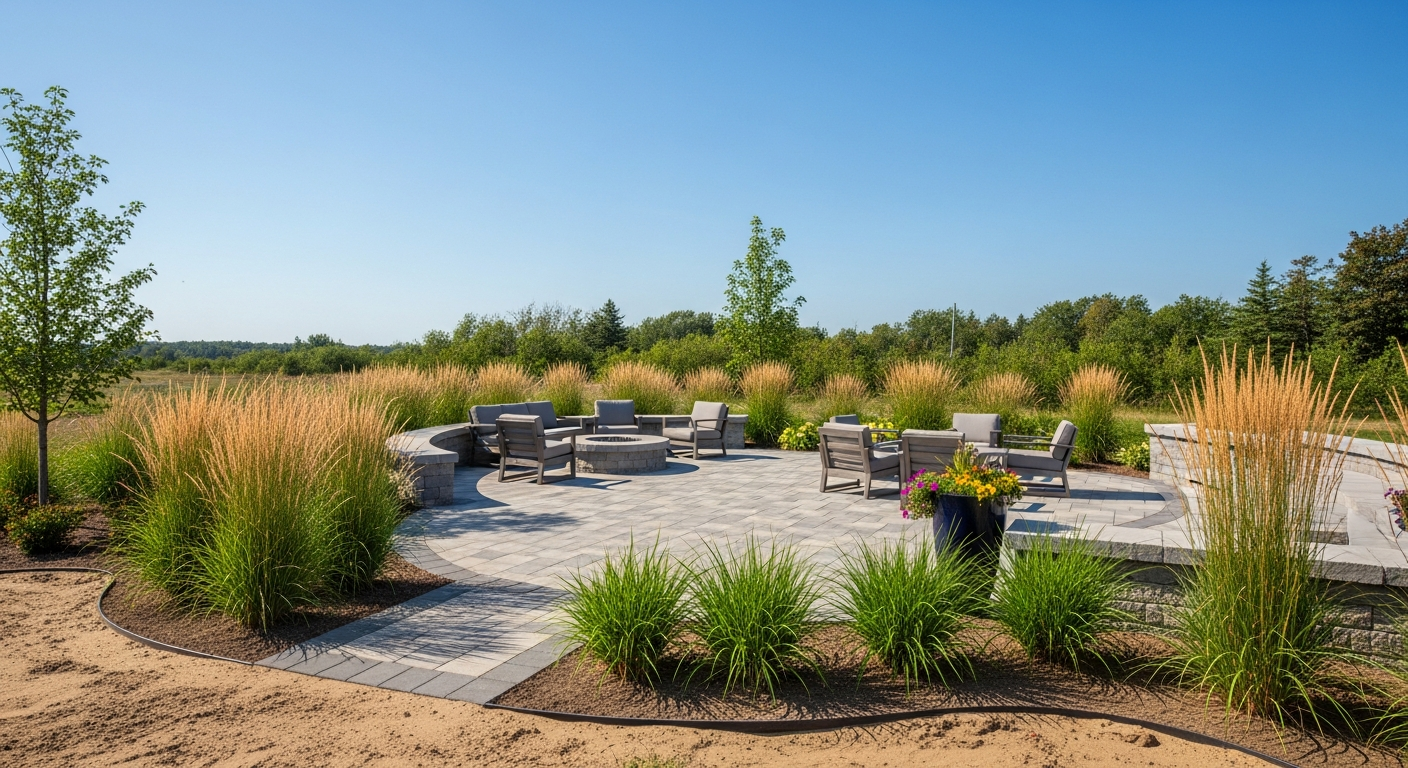
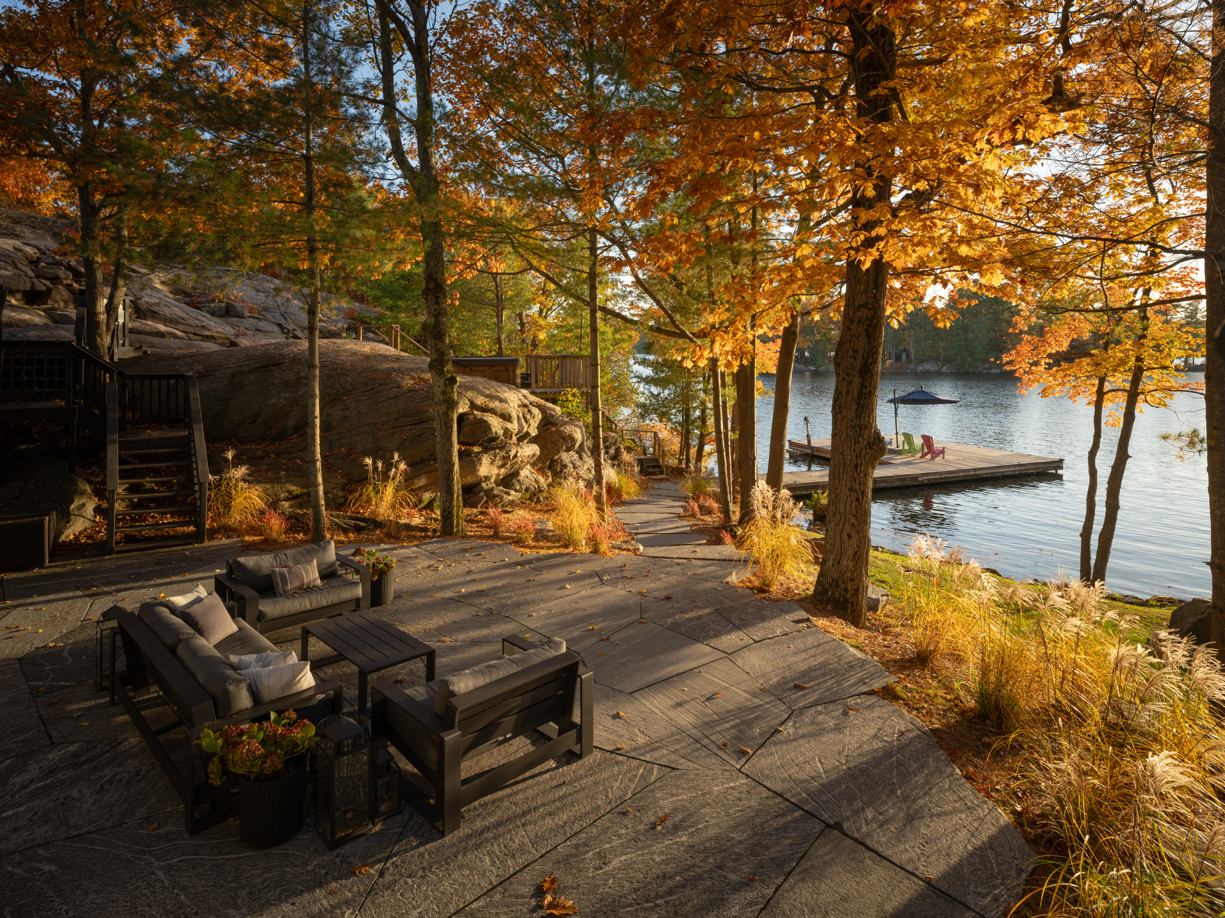
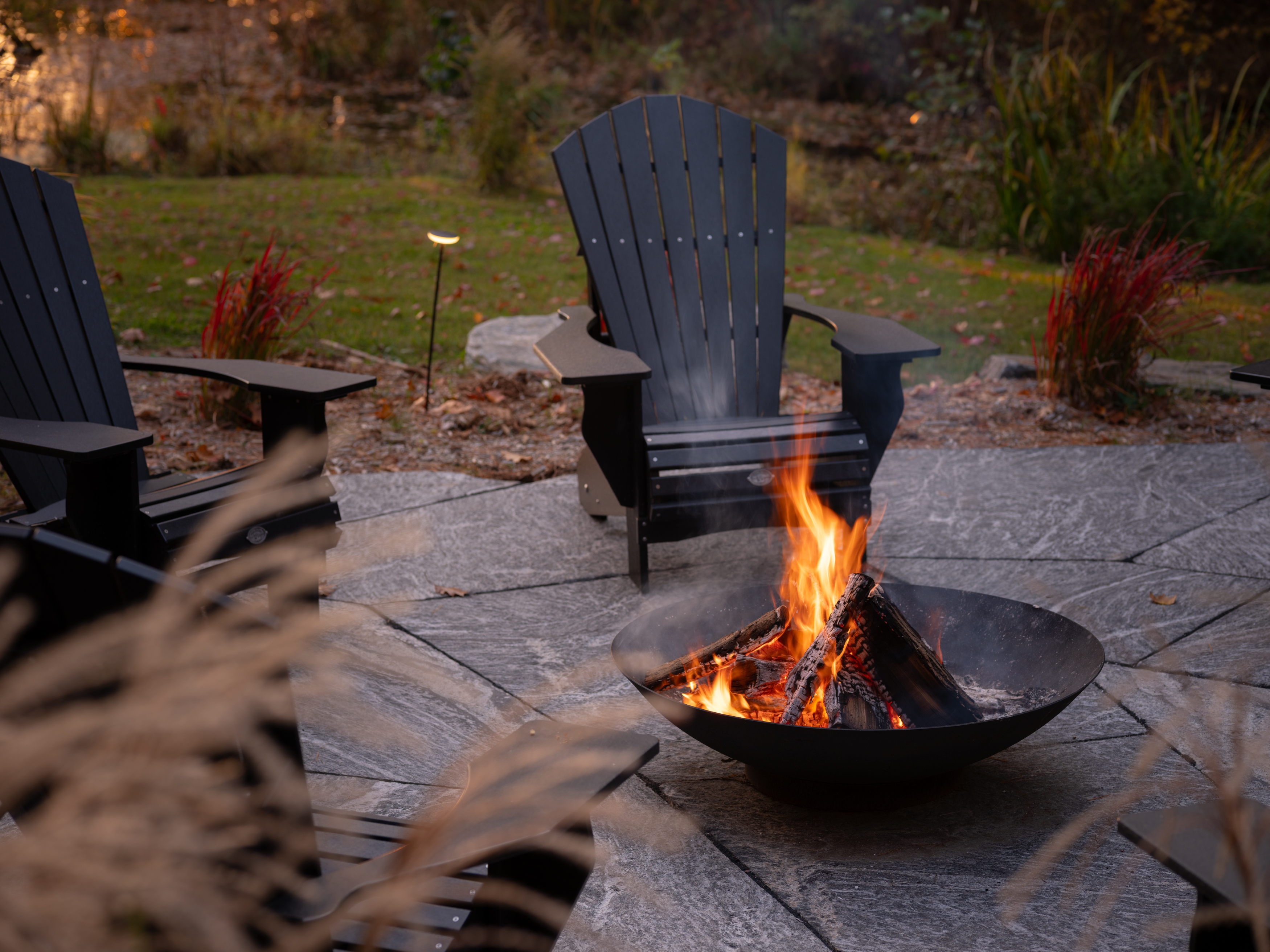
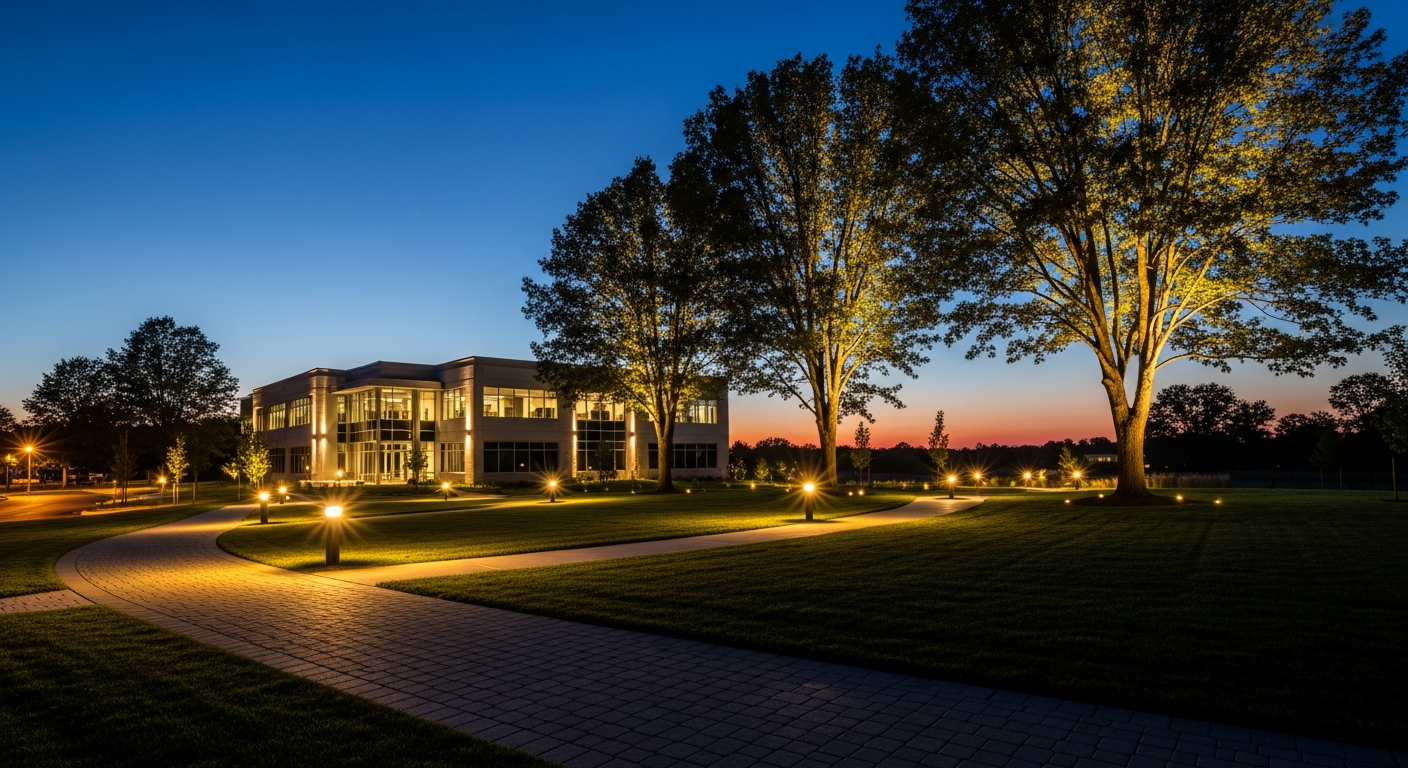
Creating outdoor living spaces that blend comfort with nature is increasingly popular. These spaces extend the livable area of a home, offering spots for relaxation and entertainment outdoors. Patios, fire features and covered seating get used most when they are close to the kitchen door. Add landscape lighting and the space works into the evening.
Commercial Landscaping Ventures
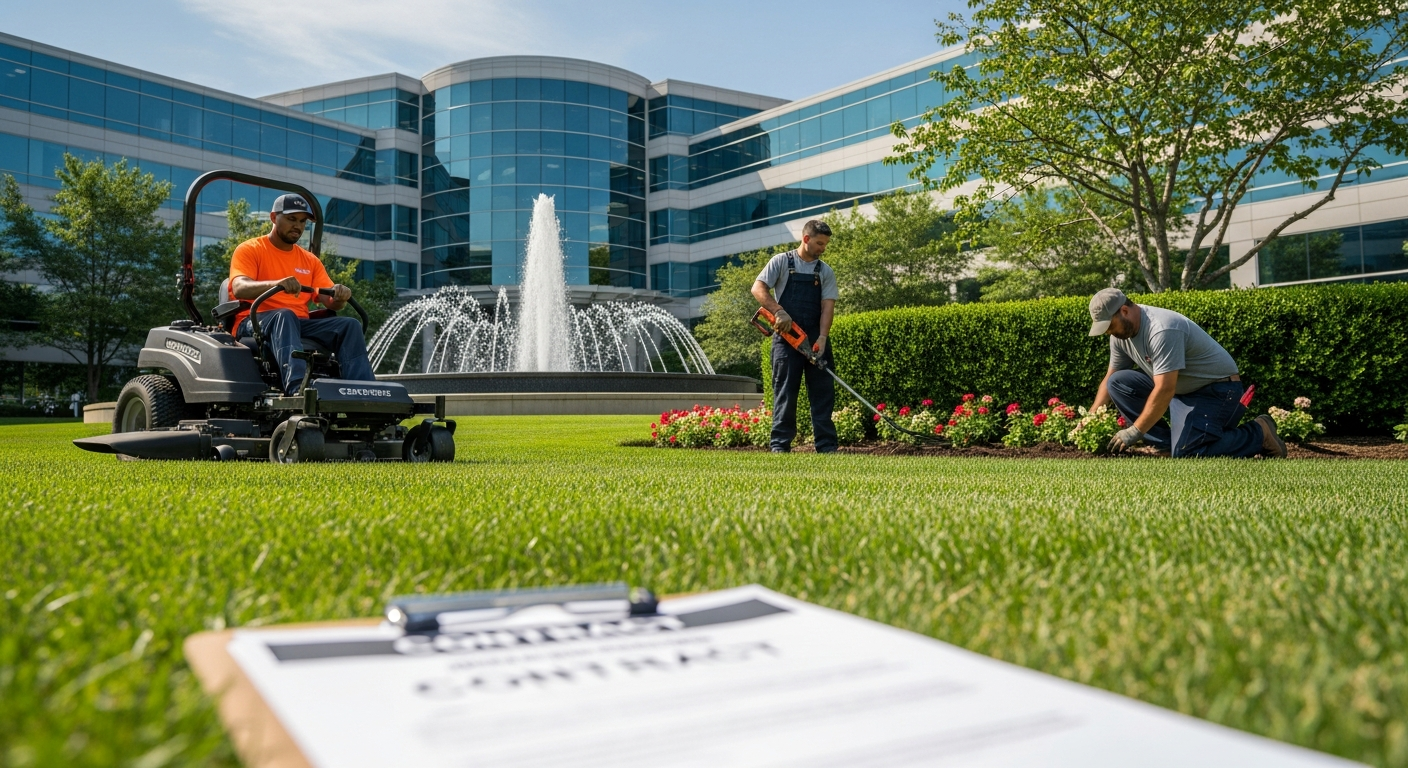
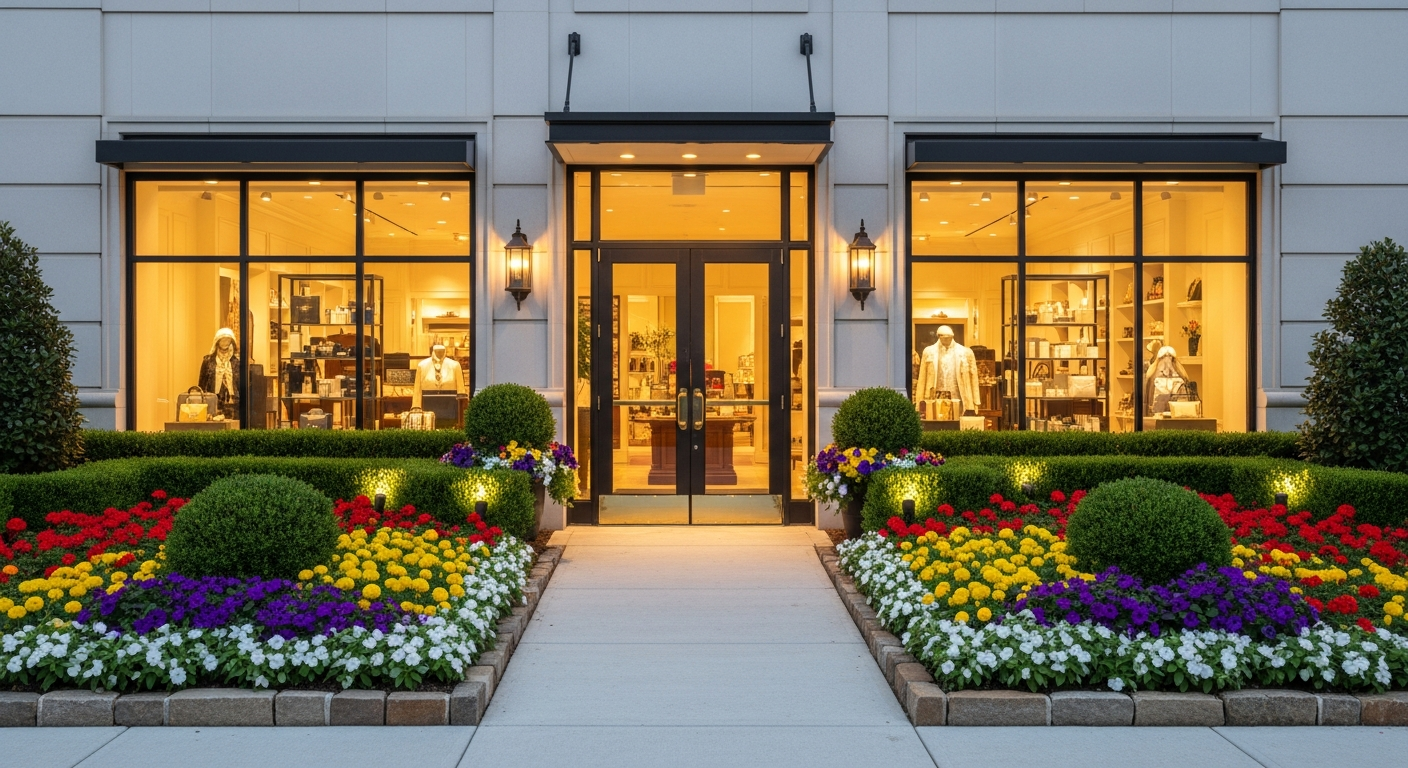
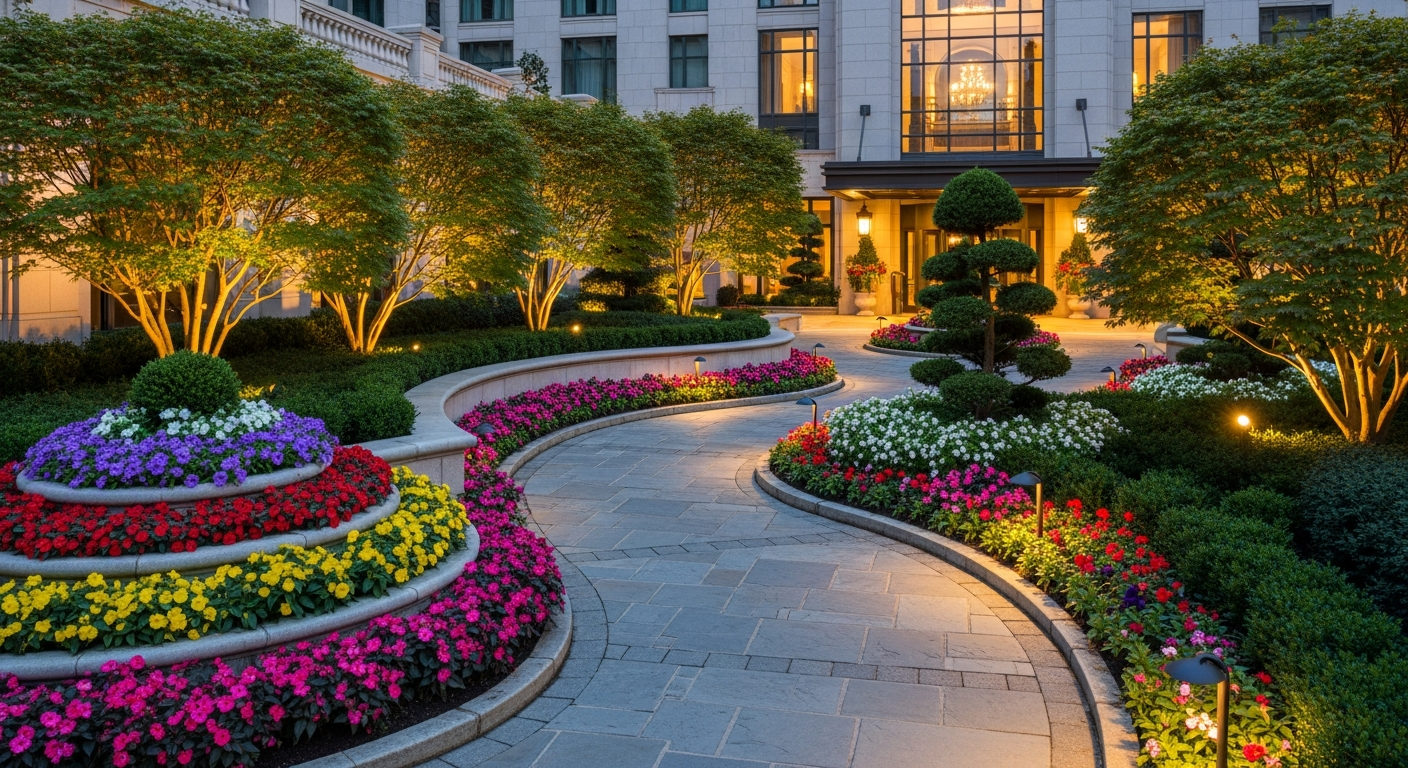
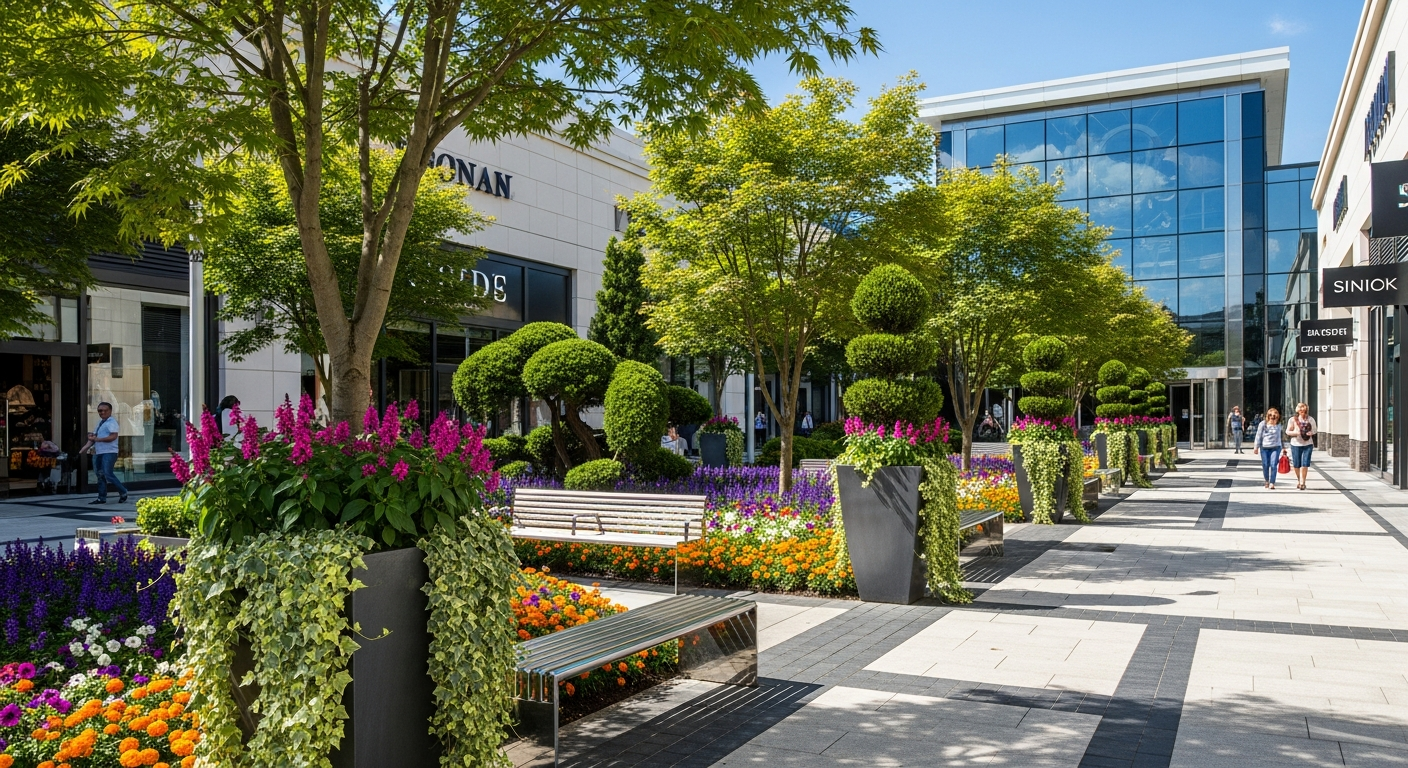
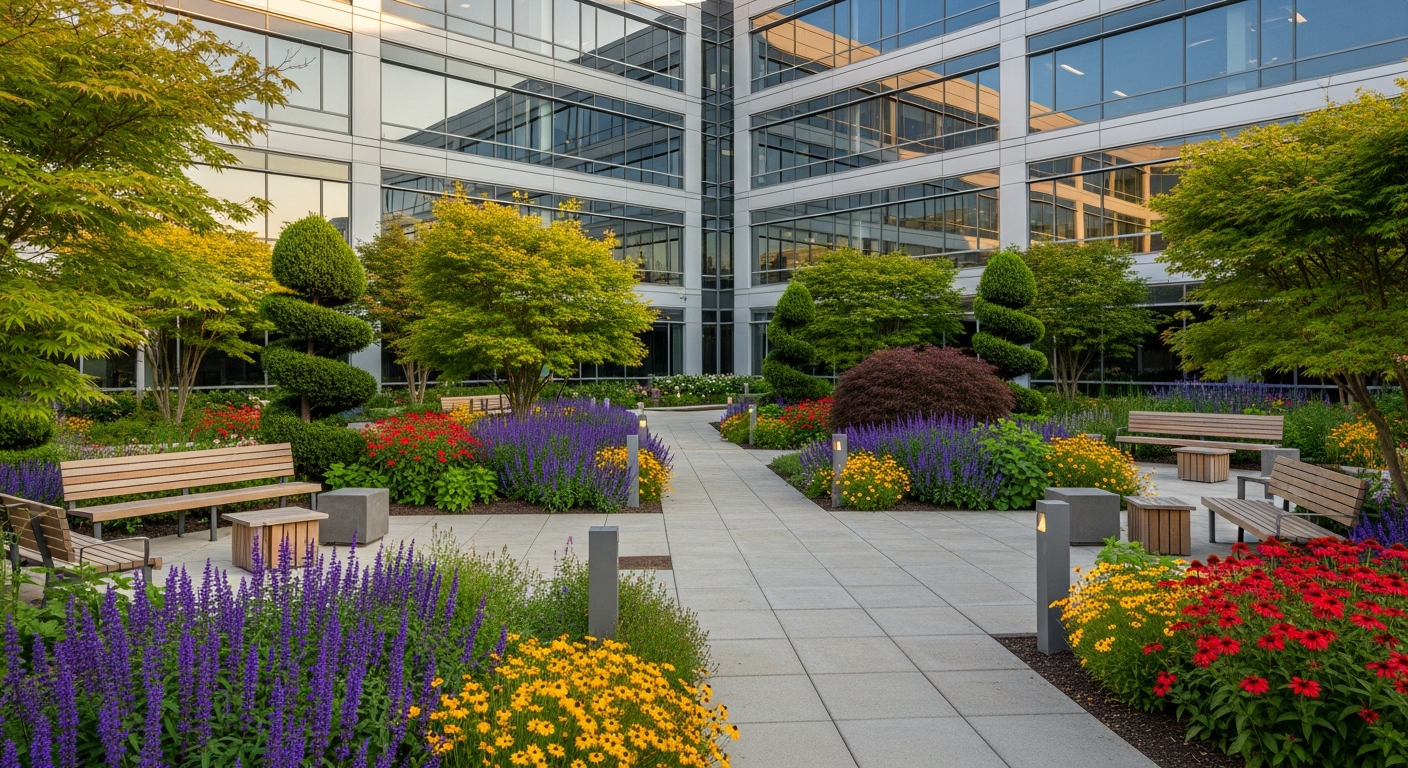
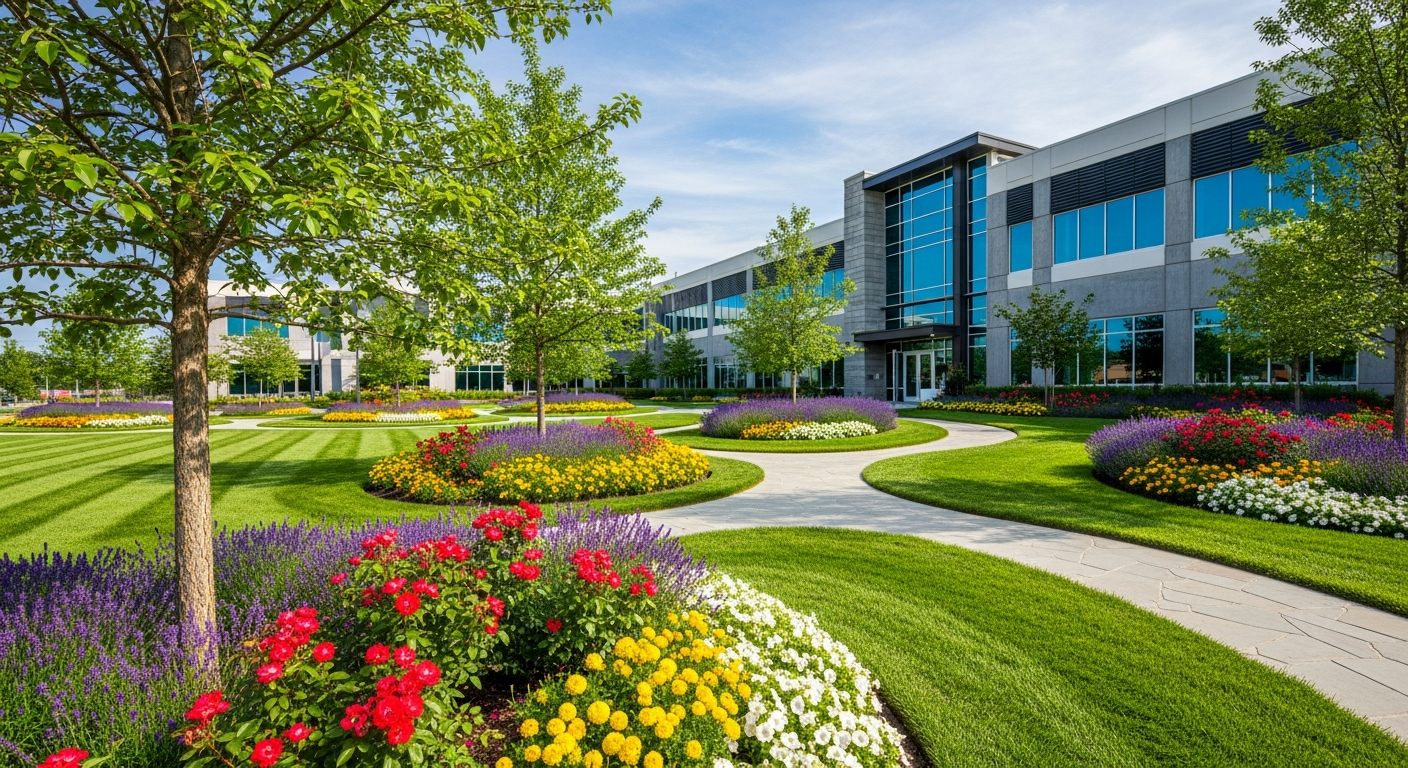
For businesses, investing in landscaping improves curb appeal and creates a positive first impression for customers. Well-kept commercial landscapes show attention to detail, and durable planting and hardscape keep maintenance costs predictable.
Navigating Challenges in Landscape Investments
Investing in landscaping in Midland comes with its set of challenges, from following the rules for shoreline work to planning around the region's distinct seasons. Understanding these constraints and planning accordingly is crucial for the success of any landscaping project.
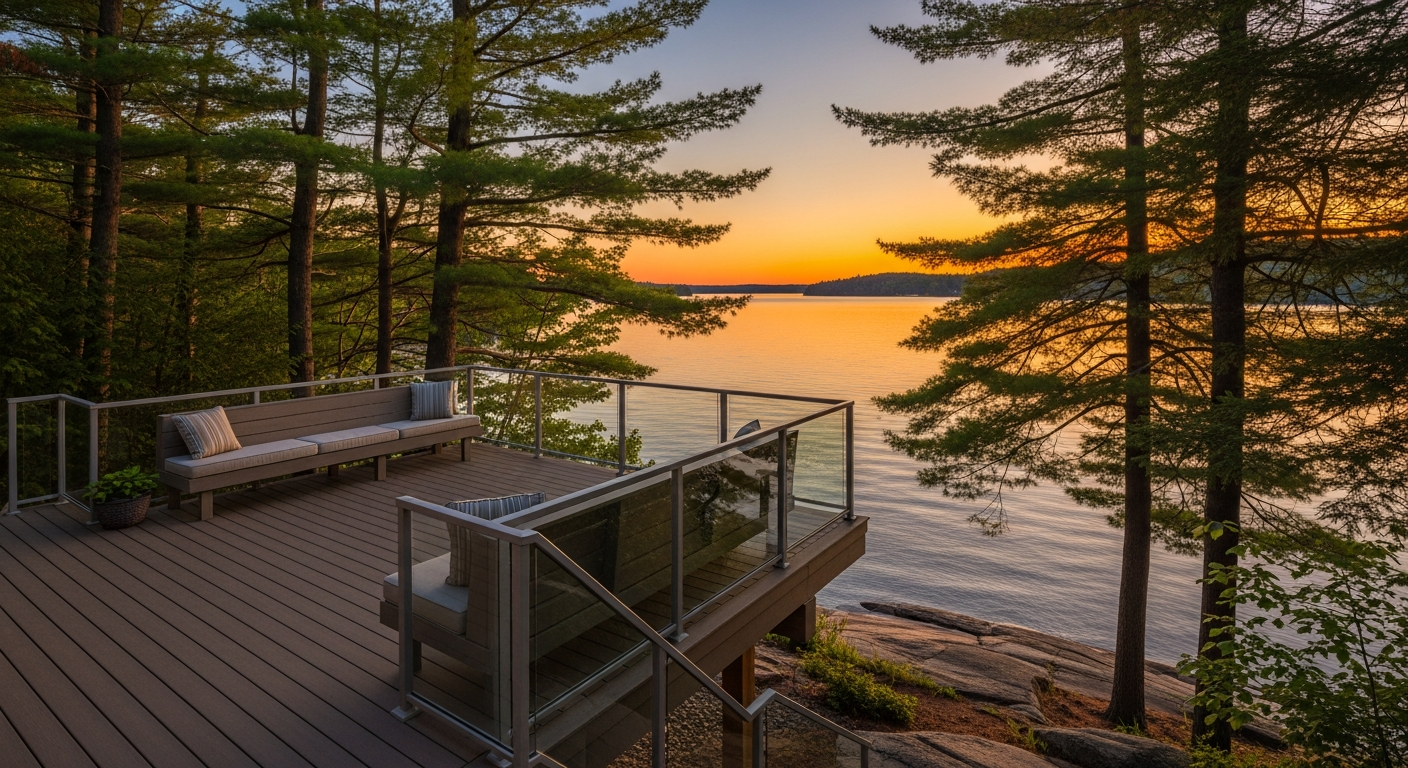
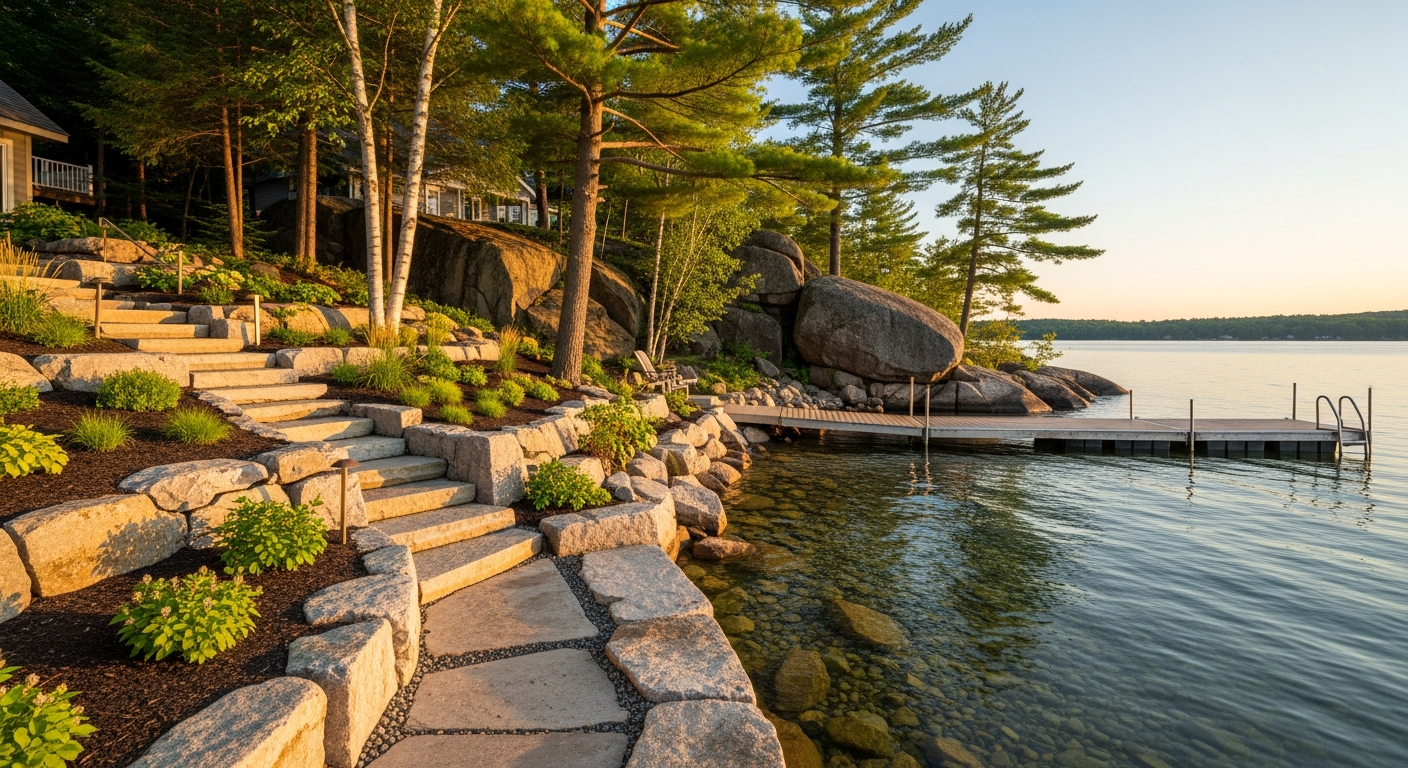
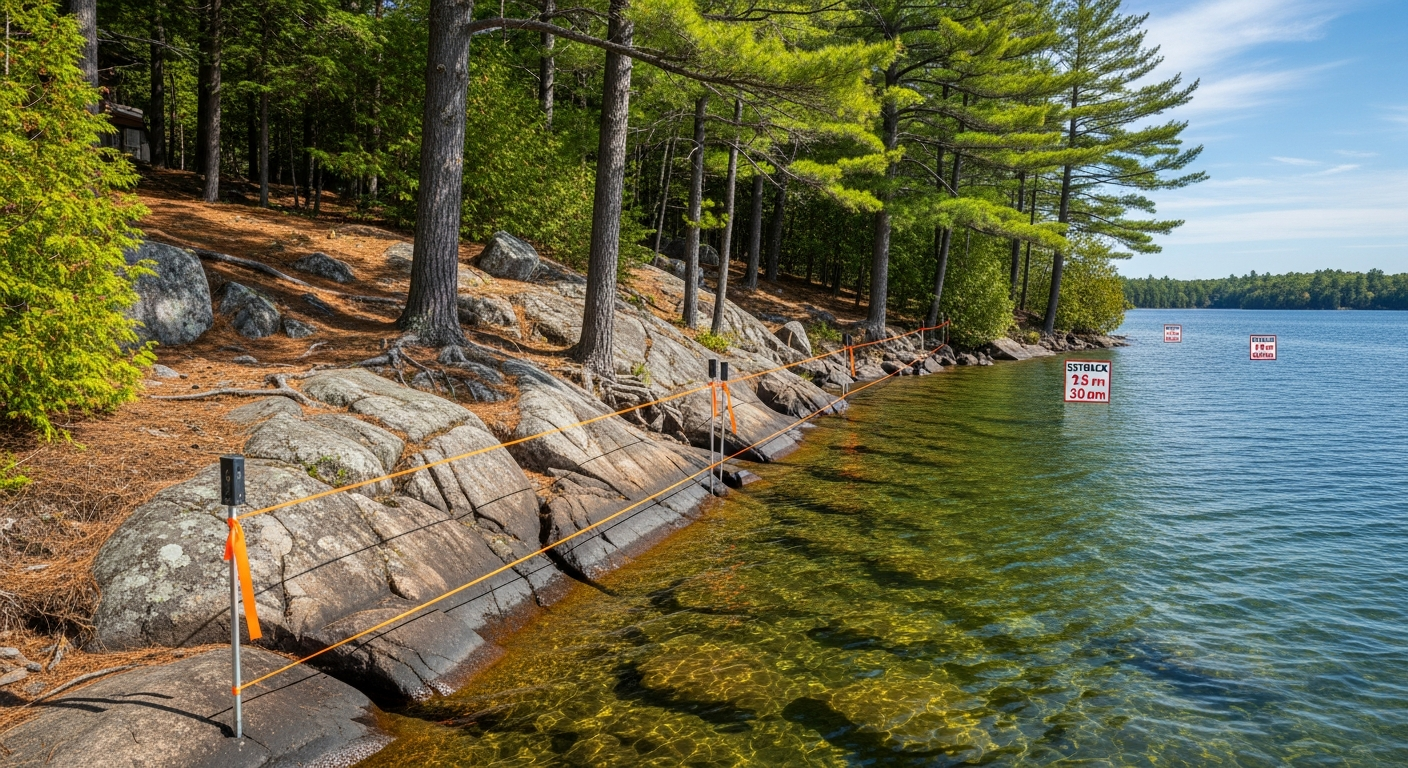
On Georgian Bay lots, work on the shore lands can need an MNRF work permit, in-water work may need review by Fisheries and Oceans Canada, and the Township of Tiny regulates work near the 178 m shoreline contour. Midland, Penetanguishene, Tiny and Tay are not part of a conservation authority, so the township and those agencies are the ones to check with. Open-air burning to clear brush needs a permit under Midland's burning by-law.
Measure before you price anything
The quickest way to compare quotes, and to spot one that is padded or too thin, is to know three numbers yourself: the area in square metres, the slope and the volume of material. Break odd-shaped yards into rectangles and triangles, use a level string line between two stakes to measure fall, and multiply area by compacted depth for gravel, soil or mulch.
Field drawing 01 · Measuring
Measure area, slope and volume before you order
Three numbers drive every landscape quote: square metres, fall and cubic metres.
Swipe to see the full drawing →
- Split odd shapes. Break the yard into rectangles, triangles and circle segments, measure each, then add them.
- Level a string line. Stretch it between two stakes and set a line level in the middle so the string is dead level.
- Measure down at each stake. The difference is the rise. Divide by the run between stakes and multiply by 100 for percent.
- Volume = area × depth. Convert depth to metres first. Tell the supplier the compacted depth you need.
- Check against the standard. In Midland, grass must fall at least 2% away from buildings and hard surfaces at least 1%.
With those numbers in hand, you can check whether a quote's base depth and material quantities make sense, and whether the planned grades meet the Town's minimums.
Securing Your Landscape Investment
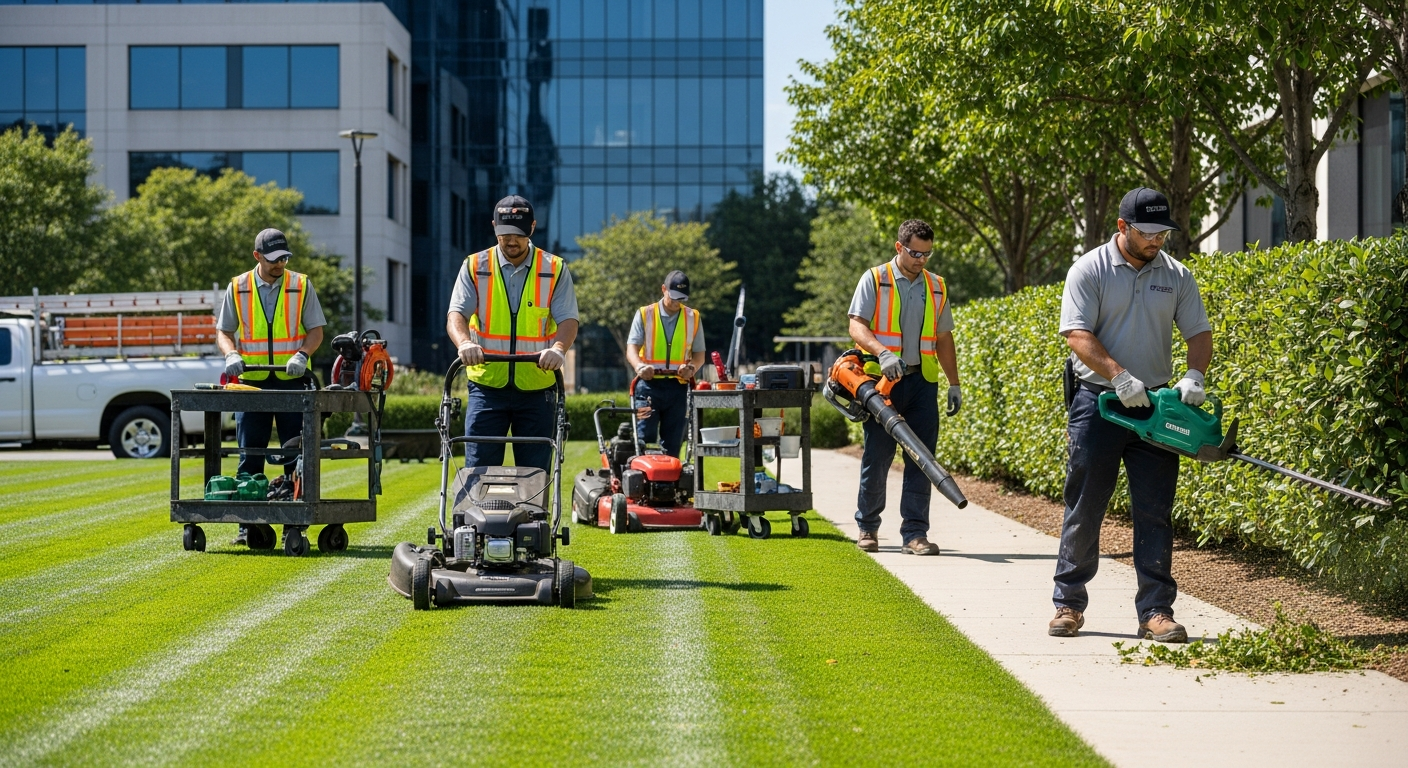
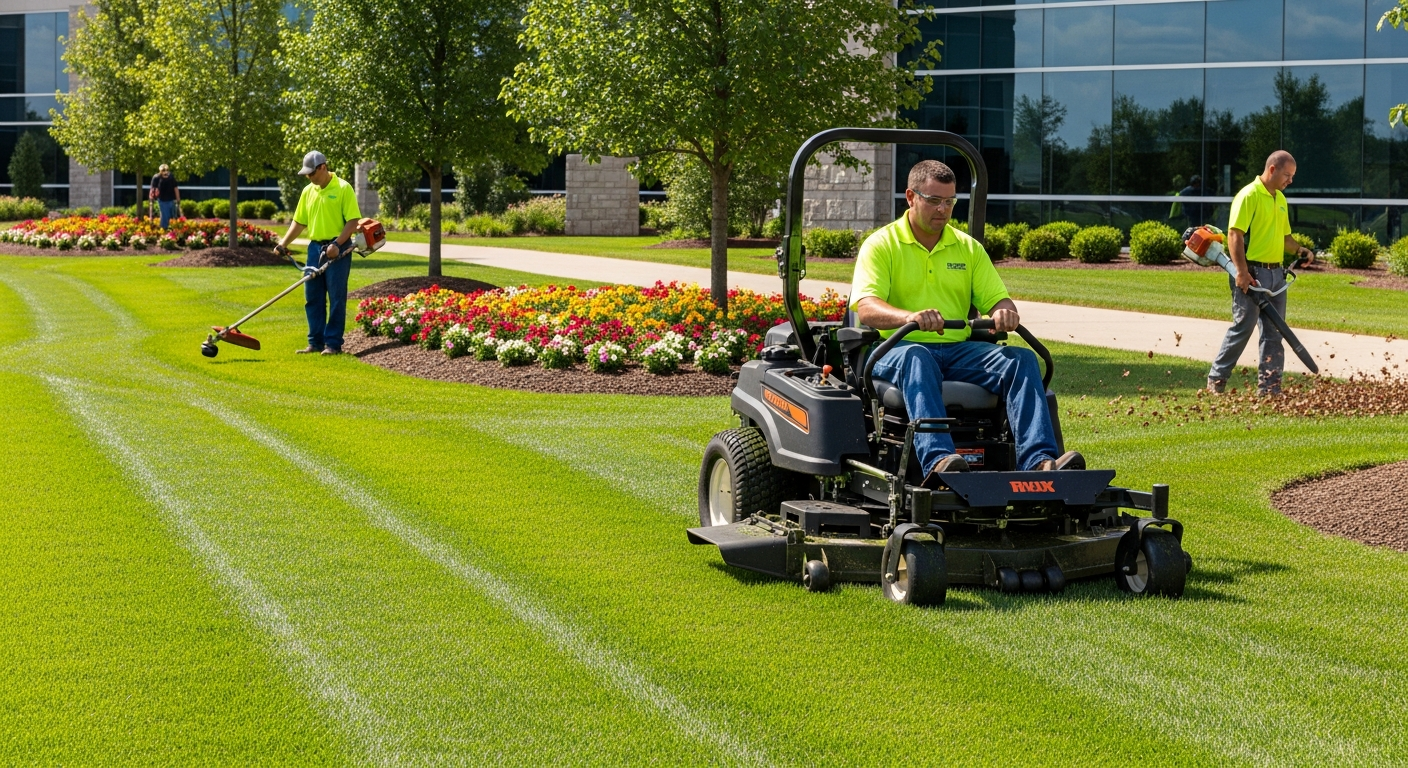
Selecting the right contractors and planning for ongoing maintenance are key steps in securing your landscape investment. Ask for a written scope that lists base depths, materials, drainage and warranty, check recent local work, and budget time each year for mulch, pruning, joint sand and spring clean-up.
The Future of Landscaping in Midland
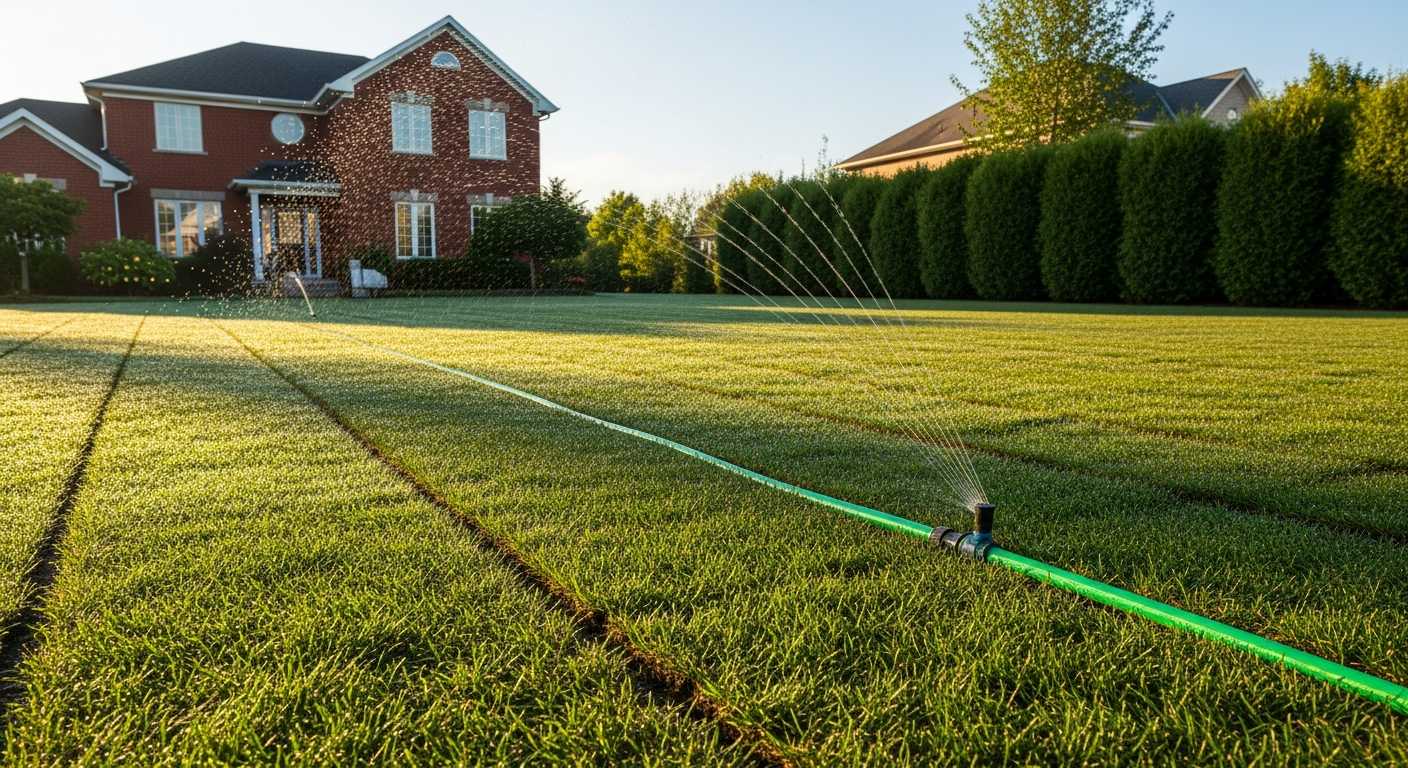
Expect more native planting, smarter irrigation controls, low-voltage LED lighting and permeable paving on lots with drainage issues. None of these are new, but they are becoming standard choices rather than extras.
Planning a 2027 landscape investment in Midland
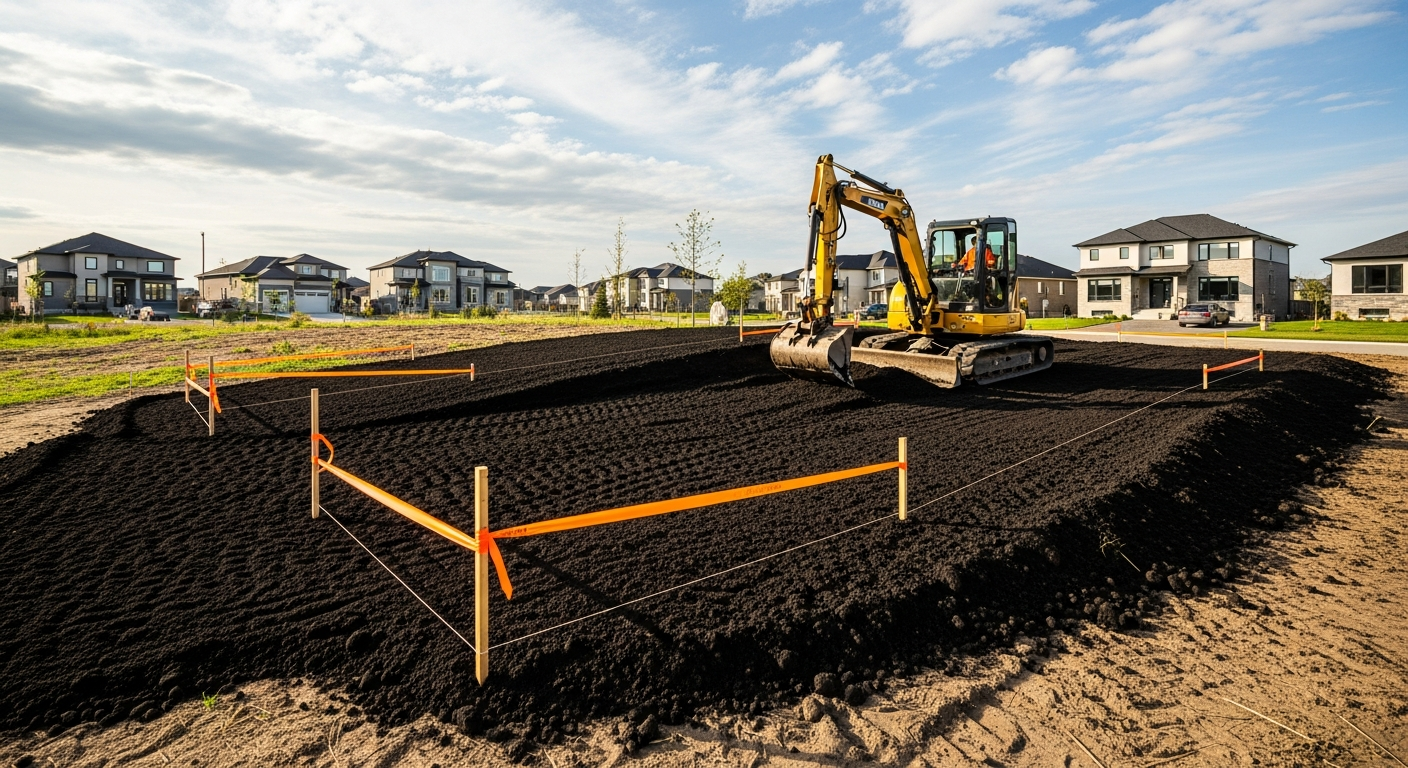
If you are planning landscape work for 2027, use the winter to decide what comes first. Walk the property after a heavy rain or during the spring melt and note where water sits; fix that before anything decorative. Then rank the rest by how much you will use it. Get a design and quotes over the winter, while contractors have time for site visits, and book early, because spring and early summer fill first. Excavation and hardscaping usually start once the frost is out of the ground, which in Simcoe County is typically late April or May.
Line up approvals before then: an engineered design and building permit for any wall over 1 m in a regulated location, and MNRF, DFO or township sign-off for shoreline work. For 2027 designs, native planting, LED lighting on timers and permeable paving where drainage is poor are sensible choices that keep running costs down.
- Note drainage problems this winter and spring.
- Set a budget and phase the work: water first, then hardscape, then planting.
- Get two or three written quotes with base depths and quantities listed.
- Apply for permits before spring.
Frequently asked questions
Which landscaping projects add the most value?
Projects that protect the house and get daily use: grading and drainage, a well-built patio or walkway, lighting, and healthy trees and planting. Elaborate features such as large water features add enjoyment but also upkeep.
Should I fix drainage before building a patio?
Yes. A patio or garden built over a drainage problem will settle, heave or flood. Grade the yard so water moves away from the house first, then build on top.
Do I need a permit for landscaping in Midland?
Most planting and ground-level hardscape does not. Retaining walls over 1 m next to public property or building entrances, decks over 10 square metres or attached to the house, and shoreline work can need permits or approvals.
Where to Start
Landscape projects in Midland pay off when they are planned in the right order: water first, a solid base under every hard surface, then the features you will use most. Our guide to design and build landscaping explains how a project moves from plan to finished yard.
Planning a project this season?
We’ll walk the site, scope it properly and give you a straight price.
Mark and Matt are amazing. Not only do they do high-quality work, but they are also collaborative every step of the way. They are also great at problem-solving for unforeseen issues, or if you are just stuck on what to do in a certain area. I highly recommend Forty-Five Scapes for your landscaping needs.
Frequently asked questions