March 3, 2026
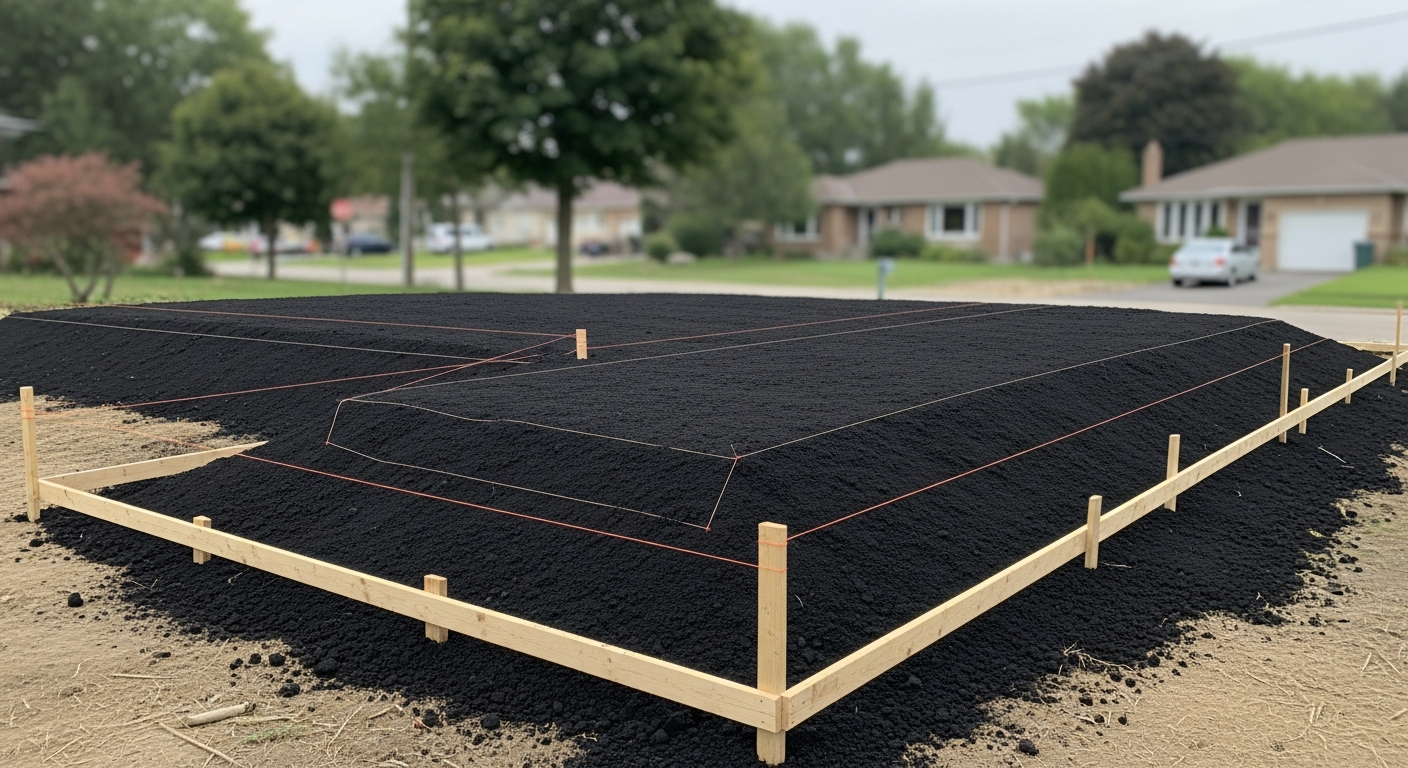
If you're planning a new build, renovation, or landscape project in Midland or Penetanguishene, site grading is one of the most critical first steps. Grading refers to the process of levelling and shaping the land around your property to ensure water flows away from structures and toward appropriate drainage areas.
In our region of Simcoe County, the mix of clay-heavy soils, Canadian Shield rock, and proximity to Georgian Bay creates unique grading challenges that homeowners need to understand before breaking ground. Our land grading services are designed specifically for the conditions found in this part of Ontario.
The Midland-Penetanguishene area experiences significant seasonal changes — from heavy spring thaws and snowmelt to intense summer storms. Without proper grading, water pools around foundations, erodes landscaping, and can compromise septic systems.
Common problems caused by poor grading in our area include:
Midland and Penetanguishene sit on a mix of soil types that directly impact grading decisions. Properties closer to the waterfront often have sandy or silty soils that drain quickly but can shift and erode. Inland properties — particularly around Hugel Avenue, Balm Beach Road, and the rural areas of Tay Township — tend to have heavy clay soils that hold water and require more aggressive grading slopes.
In areas where Canadian Shield rock is close to the surface, like parts of Penetanguishene near the Discovery Harbour area, traditional grading may not be possible without blasting or alternative drainage solutions.
A proper grading project in the Midland-Penetanguishene area typically involves:
The Township of Tay, Town of Midland, and Town of Penetanguishene each have grading requirements tied to building permits. If you're doing a new build or major renovation, a grading certificate is typically required before your final building inspection. Working with a contractor who understands local municipal requirements saves time and avoids costly rework.
Wondering what grading will cost for your property? Check out our detailed breakdown of lot grading costs in Midland and Penetanguishene.
Existing homeowners in Midland and Penetanguishene should consider regrading if they notice:
If drainage is a concern, you may also want to explore yard drainage solutions for spring thaw or learn about catch basin installation as part of a complete solution.
At Forty Five Scapes, we approach grading as the foundation of every landscape project we do in the Midland-Penetanguishene area. Whether you're building a new patio, installing a retaining wall along a slope, or planning a complete cottage landscape, proper grading ensures everything else performs as intended.
If you're planning a project and want to understand what grading work your property needs, contact us for a consultation. We serve homeowners throughout Midland, Penetanguishene, Tiny Township, Tay Township, and the surrounding Georgian Bay area.